
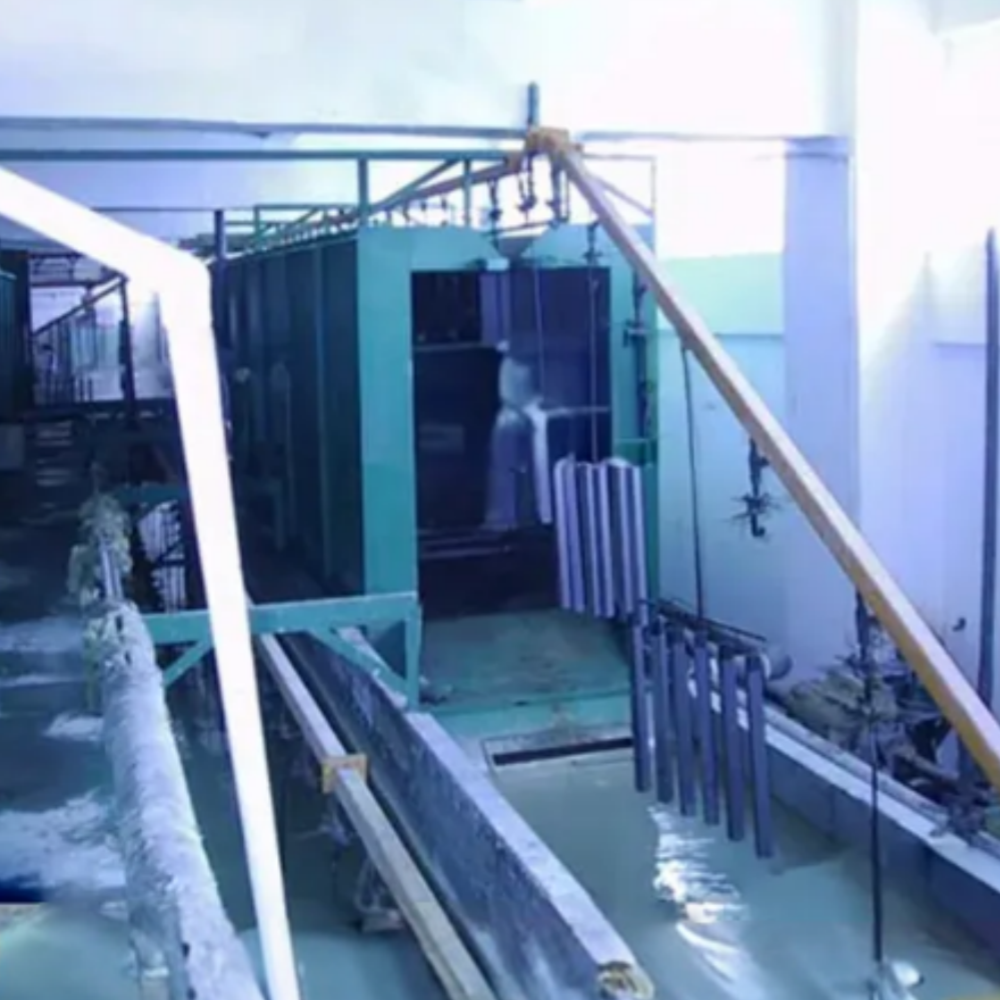
Thermal Challenges of Heat-Sensitive Substrates in E-CoatingMaximum Tolerable Temperatures for MDF, Plastics, Composites, and Thin AluminumHeat-sensitive materials degrade rapidly at standard industrial temperatures. For example:Medium Density Fiberb...
VIEW MORE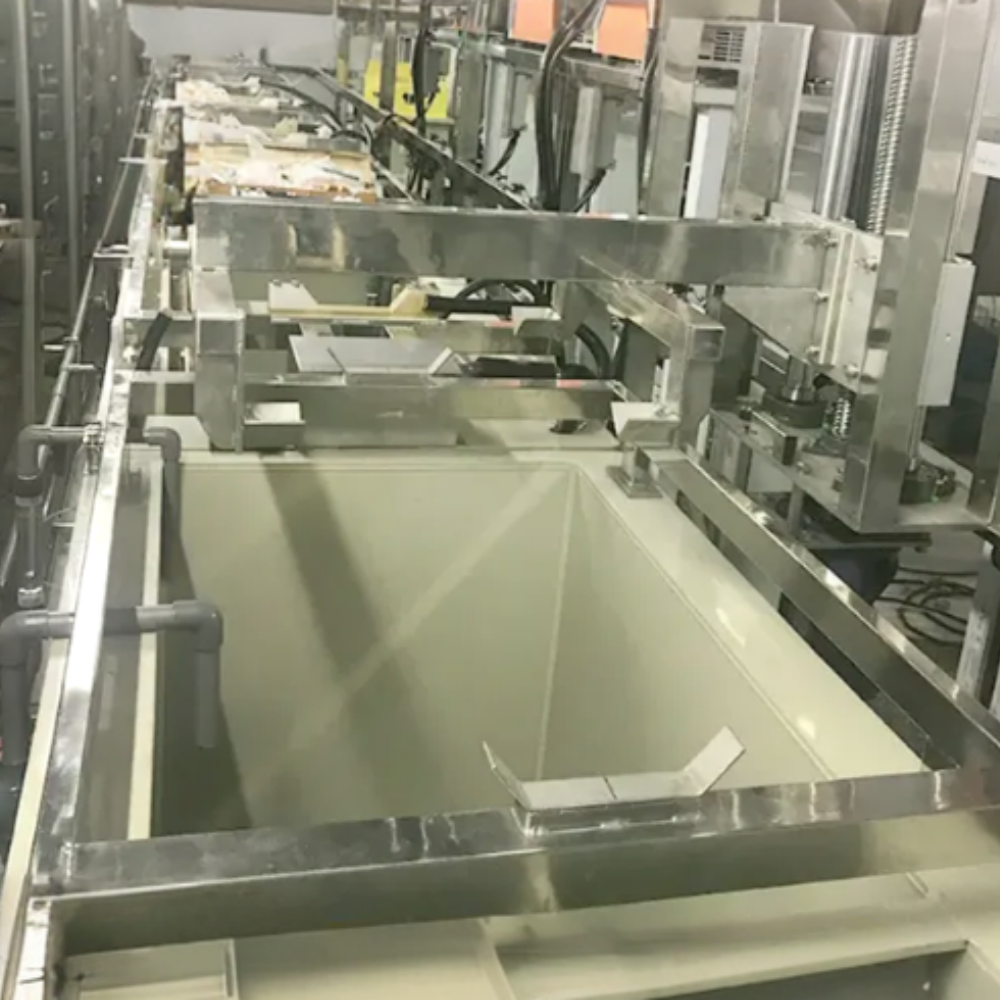
How E-Coating Lines Boost Production Efficiency in Furniture ManufacturingUniform Coverage on Complex Metal Frames—Reducing Rework and Material WasteElectrophoretic deposition provides really precise coatings down to the micron level on those complex...
VIEW MORE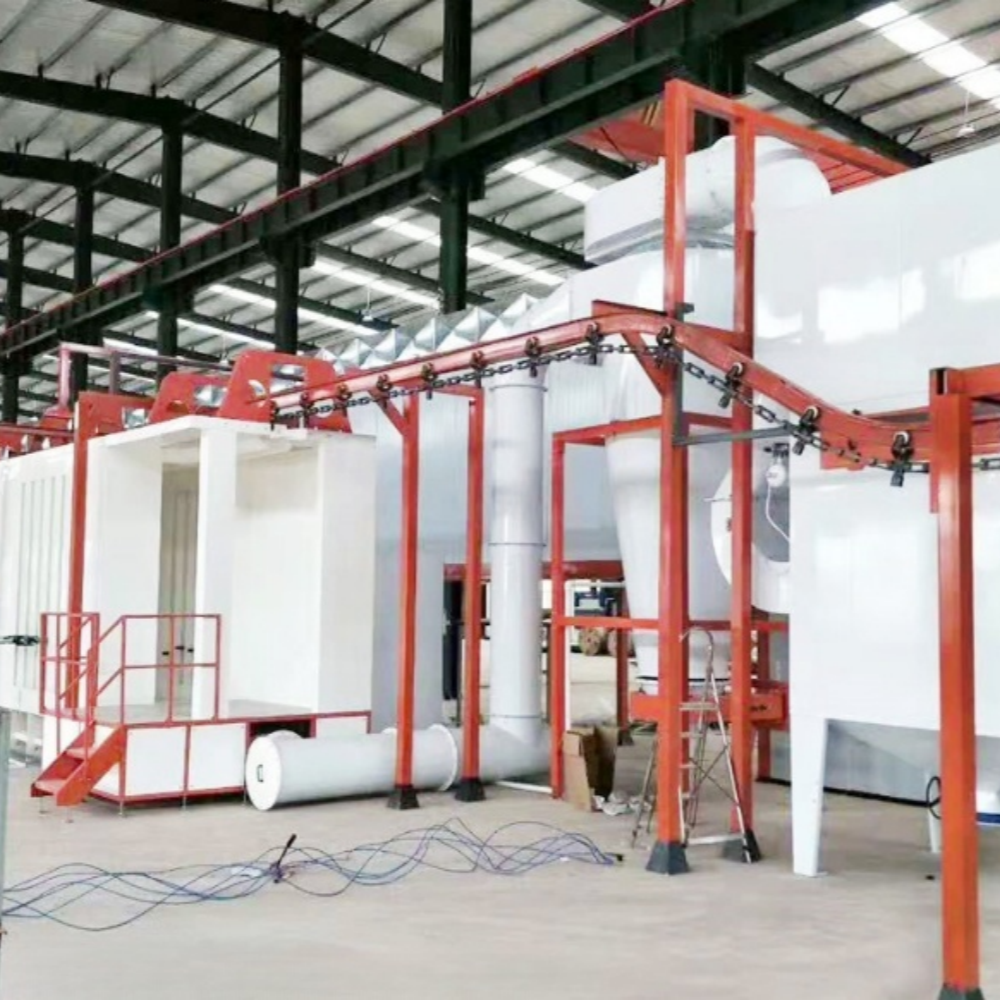
High Transfer Efficiency: The Core Waste-Reduction Mechanism of Powder Spraying Systems How electrostatic attraction maximizes powder adhesion and minimizes overspray In powder spraying systems, the magic happens thanks to electrostatic charges that...
VIEW MORE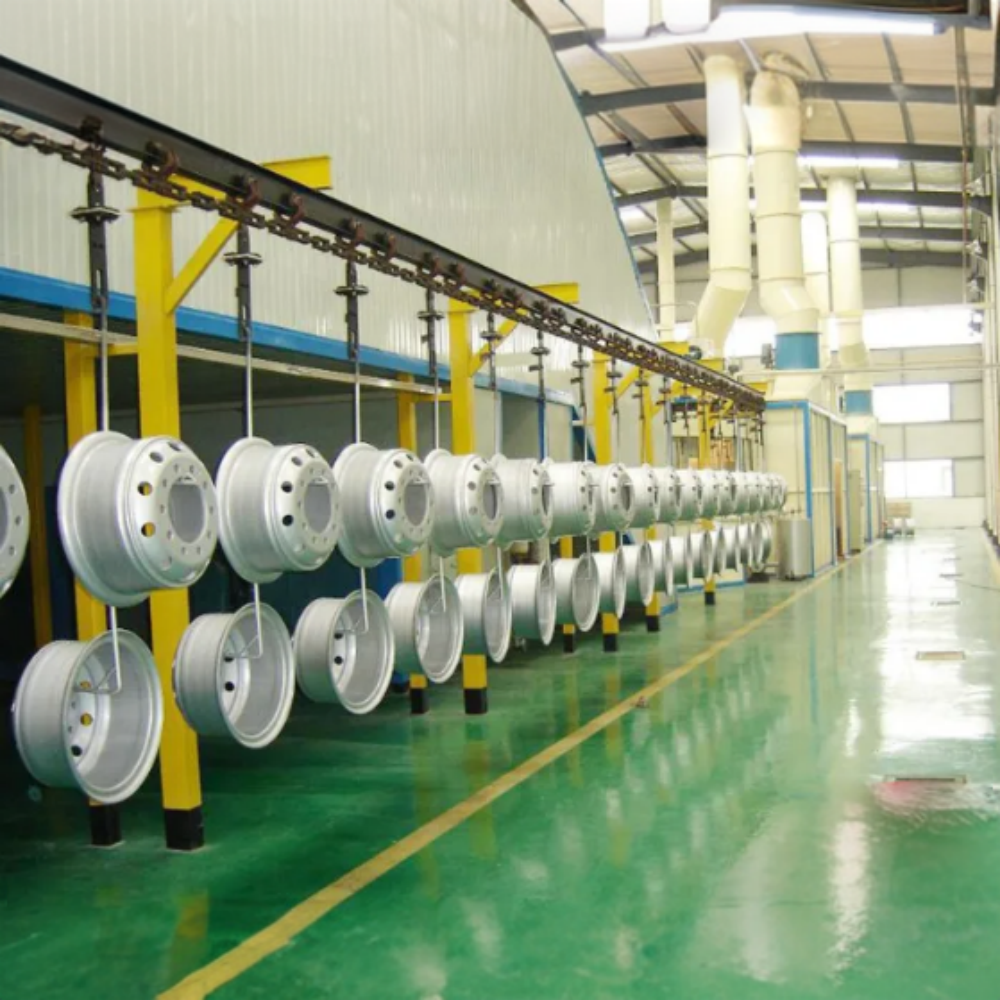
Core Components of a Uniformity-Optimized Powder Coating SystemElectrostatic Spraying Module: Voltage, Flow Rate, and Distance CalibrationGetting electrostatic spraying right depends on balancing three main factors together: the voltage level which t...
VIEW MORE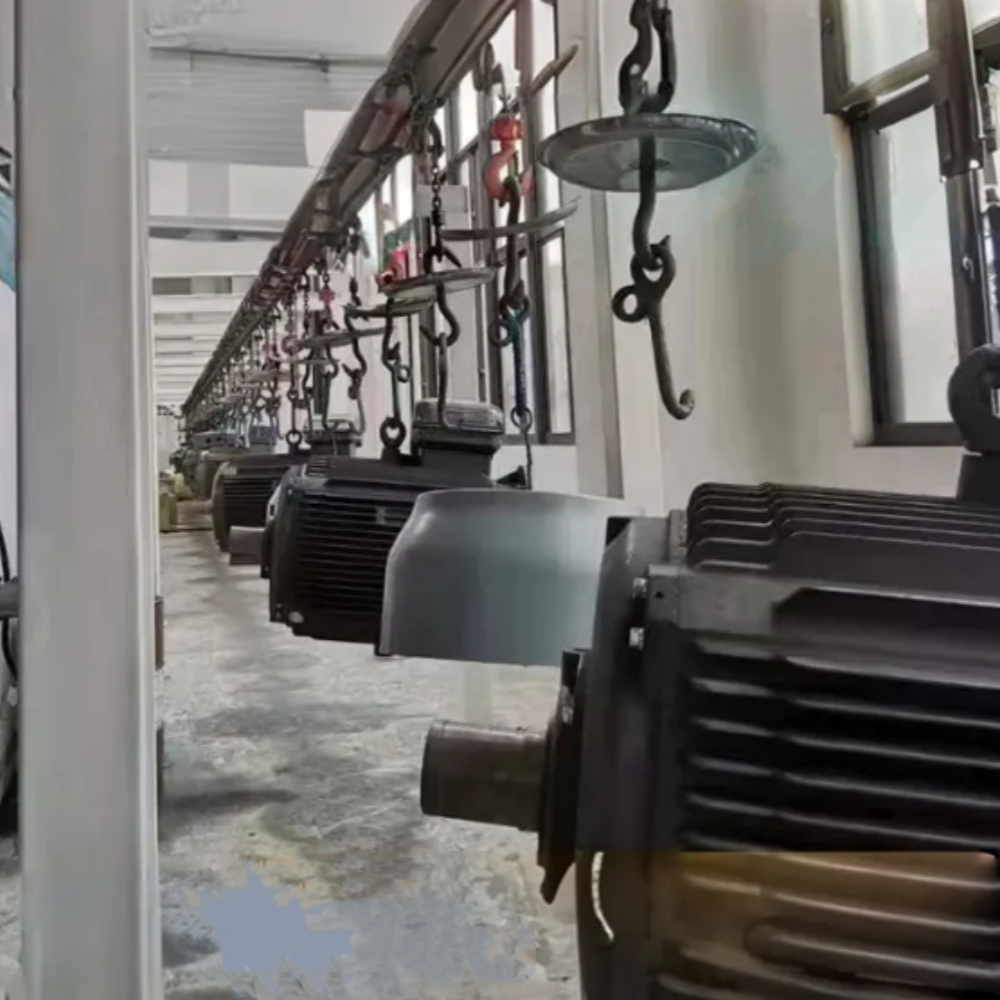
Phosphate-Based Pretreatment Systems: Zinc and Iron Options for Steel DurabilityZinc phosphate: industry benchmark for corrosion resistance and powder adhesion on steelZinc phosphate has long been considered the best choice for preparing steel surfac...
VIEW MORE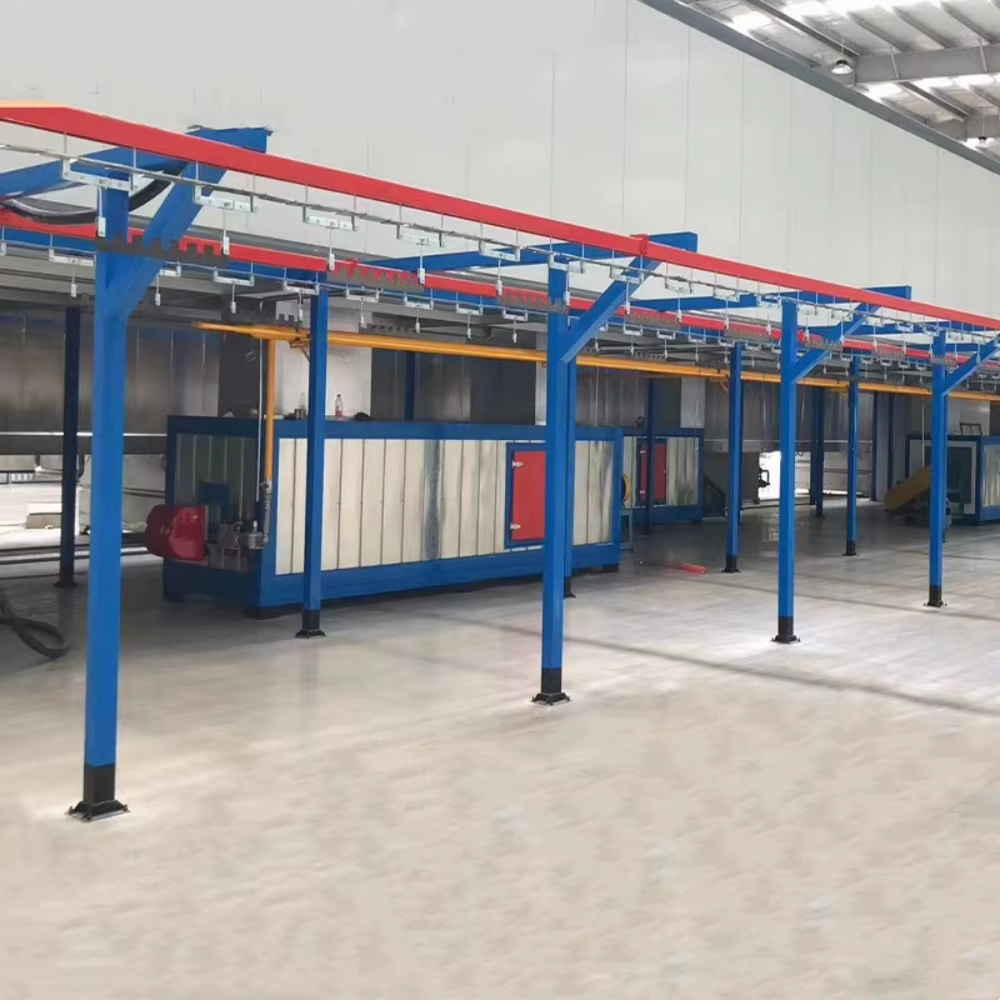
Film Thickness Precision and Uniformity: The Core Benchmark for Craft E-Coating LinesWhy ±0.5 μm Tolerance Is Non-Negotiable for Premium Batch OutputGetting that ±0.5 μm film thickness right is what really sets apart top quality c...
VIEW MORE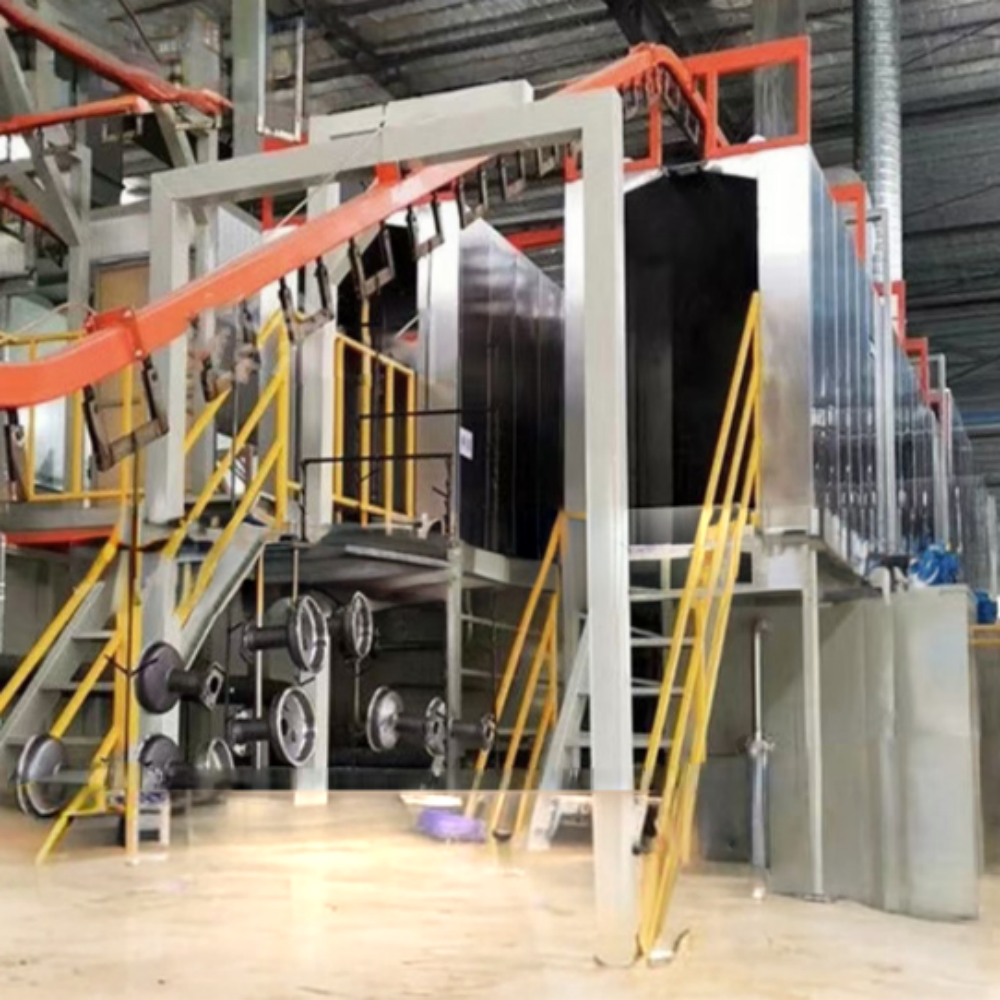
Why Pretreatment Is Fundamental to Powder Coating Adhesion Surface Energy, Contamination, and Wettability: The Physics of Bond Formation The way powder coatings stick depends largely on what happens at the molecular level between the material being ...
VIEW MORE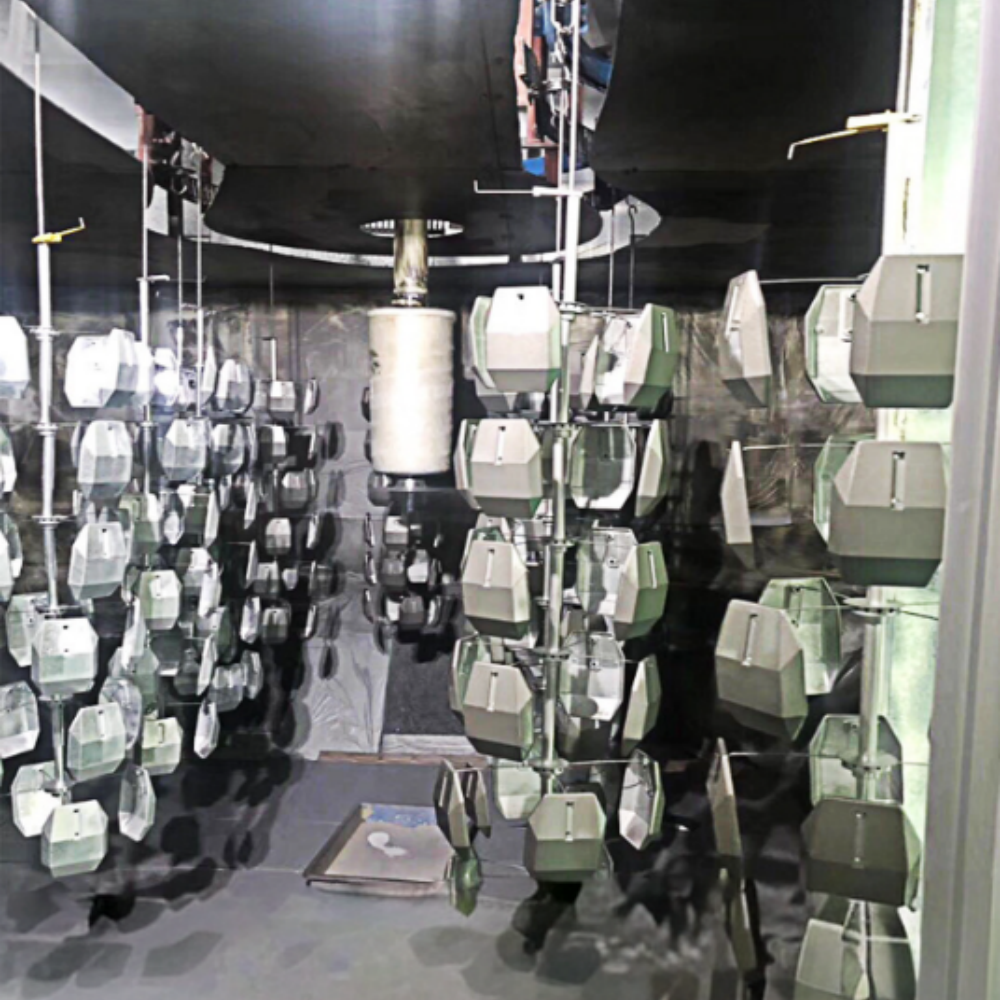
Why Standard E-Coating Lines Are Unsuitable for Plastic SubstratesThermal Damage Thresholds: Why Plastics Cannot Withstand 120–180°C CuringThe majority of thermoplastics found in cars and everyday products like ABS, polycarbonate, and nylon...
VIEW MORE
Why E-Coating Lines Are the Optimal Finish Solution for Toy Manufacturing For toy makers looking to stay ahead, e-coating lines offer some serious benefits when it comes to both safety and getting things done efficiently. The whole process works by ...
VIEW MORE
How Modern E-Coating Lines Enable Reliable Coating of Plastics Overcoming the Conductivity Barrier: Advances in Conductive Primers and In-Line Charge Enhancement Back in the day, putting coatings on non-conductive plastics meant making compromises s...
VIEW MORE
How E-Coating Lines Achieve Unmatched Corrosion ResistanceE-coating lines deliver exceptional corrosion protection through two synergistic mechanisms: electrophoretic deposition and cathodic epoxy chemistry. This combination creates impermeable, mole...
VIEW MORE
How Powder Coating Lines Achieve Sustainability for PlasticsVOC-Free Formulation and Elimination of Hazardous Air Pollutants Powder coating lines get rid of those solvent based emissions because they work with formulas that have absolutely no volatil...
VIEW MORE EN
EN