
 EN
EN
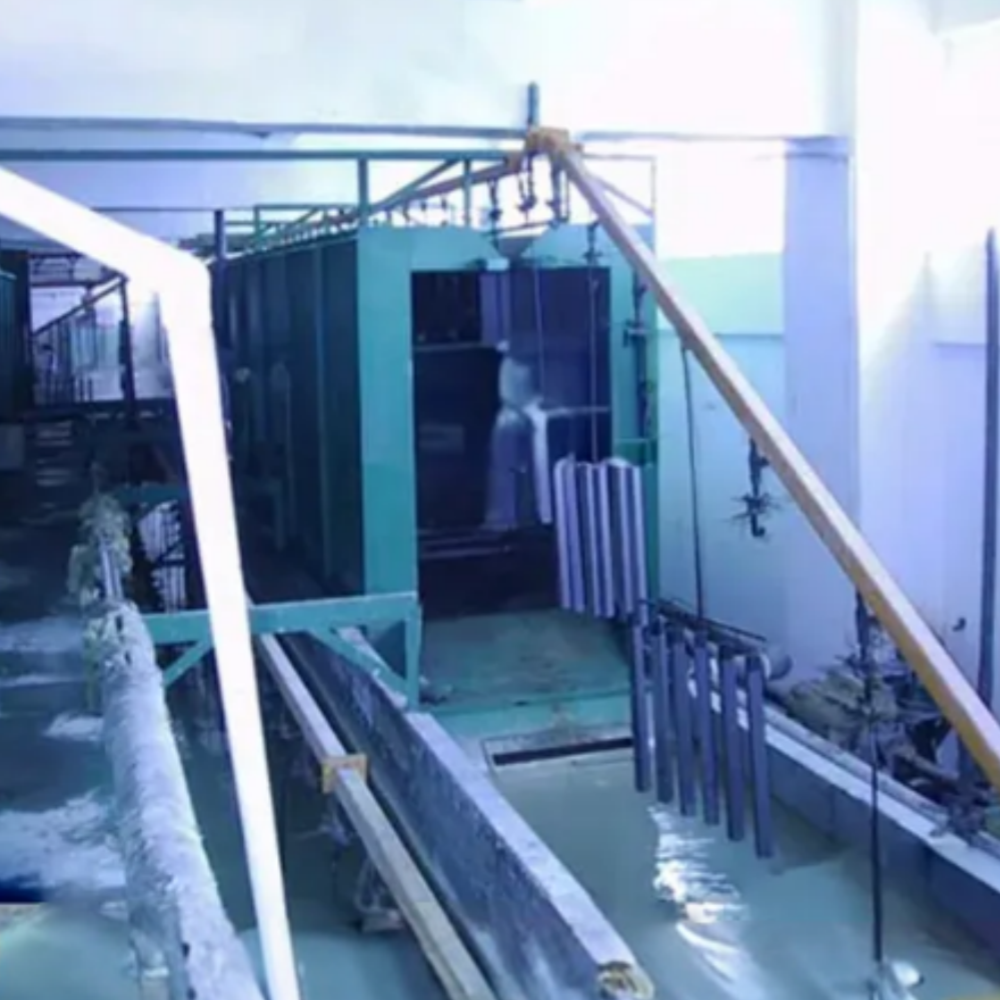
Thermal Challenges of Heat-Sensitive Substrates in E-Coating
Maximum Tolerable Temperatures for MDF, Plastics, Composites, and Thin Aluminum
Heat-sensitive materials degrade rapidly at standard industrial temperatures. For example:
- Medium Density Fiberboard (MDF): Warps above 90°C
- Engineering plastics (ABS, PVC): Soften at 95–110°C
- Carbon-fiber composites: Delaminate beyond 120°C
- Thin-gauge aluminum (<1mm): Distorts at 130°C
Exceeding these thresholds during e-coating line curing causes irreversible structural damage, rendering coated parts unusable.
Why Standard E-Coating Line Curing Damages These Materials
Conventional e-coating lines cure finishes at 140–200°C for 15–30 minutes — far beyond the thermal limits of sensitive substrates. This extreme thermal load:
- Decomposes organic substrates, like MDF and plastics, releasing volatile gases that blister coatings;
- Induces warping in composites, due to resin softening and uneven thermal expansion;
- Creates metallurgical stress points in thin aluminum, weakening fatigue resistance.
A 2023 polymer study confirmed that curing plastics at 140°C reduces adhesion strength by 40% versus low-bake alternatives — underscoring why standard e-coating lines are fundamentally incompatible with heat-sensitive applications.
Low-Temperature E-Coating Line Technologies That Preserve Substrate Integrity
Catalyzed Low-Bake Cathodic E-Coat Systems (120–130°C)
New catalyst blends allow e-coat curing temperatures around 120 to 130 degrees Celsius, which is about 30 to 40 percent cooler than what traditional systems require. The chemistry behind these epoxide-based cathodic coatings works differently too. Instead of relying solely on heat to trigger polymerization, they use catalytic crosslinking processes. This means manufacturers can cut down on how long parts need to be exposed to heat. When thermal exposure drops to just 15 or so minutes, there's much less risk of warping in MDF panels. Deformation stays under 5% compared to the usual 25% seen in standard production lines. Plus, the crystalline structures in polypropylene composites stay intact. Testing by independent labs has confirmed that adhesion remains at 98% according to ASTM D3359 standards even on materials sensitive to heat. And companies report saving roughly $8.20 for every square meter they cure this way, according to findings published in CoatingTech last year.
UV/Thermal Hybrid and Full UV-Cure E-Coating Lines
UV-reactive oligomers blended with thermal initiators create dual-cure mechanisms requiring just 70–90°C bulk temperatures. This approach delivers:
- 20-second UV curing cycles for surface polymerization
- 90-second infrared assistance for through-film crosslinking
Benchmark studies reveal 99.2% film uniformity on ABS plastic parts compared to 78% in conventional ovens. The technology eliminates blistering risks in thin-gauge aluminum (0.5–1.0mm) while cutting VOCs by 50% through solvent-free formulations.
Near-Infrared (NIR) Integration for Targeted, Low-Stress Curing in E-Coating Lines
Near infrared emitters operating around 1.2 to 1.5 microns wavelength work by exciting coating molecules specifically while passing right through the substrate layers below them, which limits how deep the heat goes usually keeping it under 300 microns thick. What this does is create these small reaction areas where temperatures reach between 100 and 110 degrees Celsius without heating up the whole part. The aerospace industry has seen some pretty impressive results too, with reports showing about 40 percent reduction in thermal distortion when they apply NIR technology to their carbon fiber parts production lines. With cure times down to just 60 seconds and temperature control within plus or minus 2 degrees, manufacturers can now produce electronic enclosures and medical device housings much more efficiently from an energy standpoint. This kind of precision makes all the difference in quality control for sensitive applications.
Validated Performance of Low-Temp E-Coating Lines on Sensitive Substrates
Adhesion, Corrosion Resistance, and Film Uniformity per ASTM D3359 & ISO 2409
Ecoat lines operating at low temperatures offer reliable protection for materials that can't handle high heat, including MDF, various plastics, and thin aluminum sheets. There are basically three main reasons why this works so well. For starters, when we run cross hatch adhesion tests following ASTM D3359 standards, most composite materials achieve at least a 4B rating. That means the coating sticks firmly to the surface and won't peel off even when subjected to physical stress. Looking at corrosion resistance, our accelerated salt spray tests show these coatings hold up for over 500 hours on thin aluminum gauge. That's way better than what we see with regular untreated materials. And finally, the film thickness remains pretty consistent across surfaces. We typically measure between 15 to 20 microns with no more than 5% variation according to ISO 2409 guidelines. This level of uniformity makes sure every part gets proper coverage, even those tricky corners and intricate shapes that often give traditional coatings problems.
Independent studies show 98% adhesion retention on plastics after thermal cycling, while low-bake cathodic formulations reduce blistering defects by 70% versus conventional systems. For MDF panels used in humid environments, such e-coating lines achieve:
- 0% edge corrosion after 1,000 hours humidity testing
- Salt spray resistance exceeding 250 hours
- 93% adhesion retention after impact stress tests
These results validate that optimized voltage control and targeted curing meet stringent industrial standards without compromising material integrity.
Energy and Operational Advantages of Modern Low-Temperature E-Coating Lines
The latest generation of low temp e-coating lines really cut down on energy usage and boost productivity across the board. Compared to traditional high bake systems, these new setups use about half as much power since they work at much lower temps around 120 to 150 degrees Celsius instead of those blistering hot numbers. The curing process takes less time too, which means factories can handle about 20 to 30 percent more parts each day. This is especially helpful when working with materials that get damaged by heat, such as certain plastics and composite materials that would otherwise warp under standard conditions. Running costs drop significantly because plants aren't burning through as much electricity or gas, plus there's less wear and tear on oven components and ventilation systems over time. What's more, keeping temperatures tightly controlled prevents all sorts of issues during coating application, so manufacturers see their waste levels go down by roughly 15% on average. From an environmental standpoint, this matters a lot too. Less energy consumption translates directly into fewer carbon emissions for every item produced, helping companies meet their green goals without compromising quality standards set forth by organizations like ASTM International for coating performance requirements.
FAQ Section
What are the maximum tolerable temperatures for heat-sensitive substrates in e-coating?
Medium Density Fiberboard (MDF) warps above 90°C, engineering plastics like ABS and PVC soften at 95–110°C, carbon-fiber composites delaminate beyond 120°C, and thin-gauge aluminum distorts at 130°C.
Why do standard e-coating lines damage heat-sensitive materials?
Traditional e-coating lines operate at 140–200°C for 15–30 minutes, exceeding the thermal limits of sensitive substrates, which can decompose, warp, or create stress points, degrading their structural integrity.
What technologies are available for low-temperature e-coating?
Catalyzed low-bake cathodic systems, UV/thermal hybrid and full UV-cure e-coating lines, and near-infrared (NIR) curing are technologies that allow lower temperature processes that preserve substrate integrity.
How do low-temp e-coating lines benefit energy consumption?
These lines cut energy usage by about half compared to high bake systems, increase productivity, reduce waste by around 15%, and decrease carbon emissions.
Table of Contents
- Thermal Challenges of Heat-Sensitive Substrates in E-Coating
- Low-Temperature E-Coating Line Technologies That Preserve Substrate Integrity
- Validated Performance of Low-Temp E-Coating Lines on Sensitive Substrates
- Energy and Operational Advantages of Modern Low-Temperature E-Coating Lines
- FAQ Section