
 EN
EN
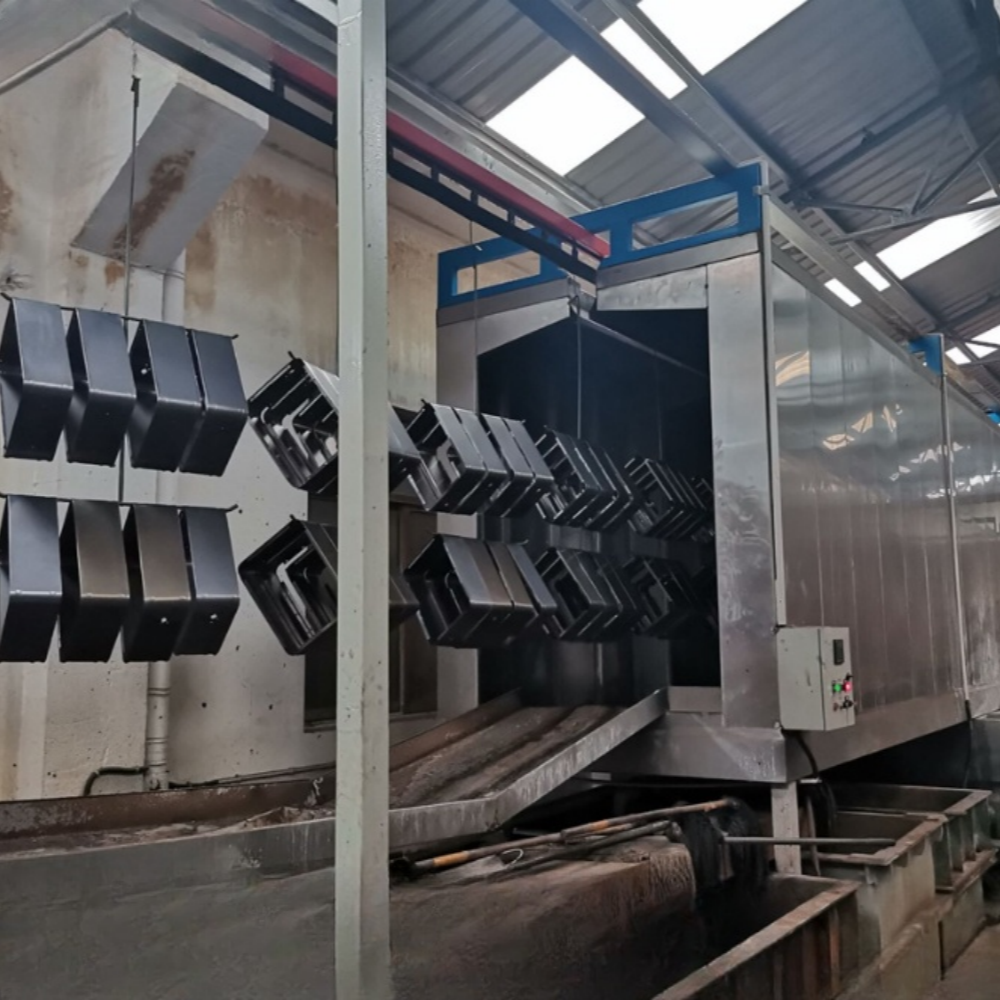
Why E-Coating Lines Are the Optimal Finish Solution for Toy Manufacturing
For toy makers looking to stay ahead, e-coating lines offer some serious benefits when it comes to both safety and getting things done efficiently. The whole process works by submerging toys in coating material, which means every nook and cranny gets covered properly. Think about those tiny action figure limbs or intricate parts of a dollhouse set – traditional spray methods often miss spots here and there, but e-coating doesn't have this problem. Getting that kind of consistent finish matters a lot because toy companies need to meet strict international safety rules such as CPSIA over in the US and EN71-3 across Europe. What makes e-coating stand out these days is that manufacturers actually formulate their coatings without toxic stuff, keeping VOC levels really low too. These materials are specially made for kids' toys after all, so parents can feel better knowing their little ones aren't exposed to harmful chemicals.
E-coating goes beyond just being safe; it actually gets around 95 percent transfer efficiency, which means way less material ends up as waste compared to old school coating techniques. When we look at the numbers, this kind of efficiency cuts down operational costs by somewhere between 15 and 30 percent per unit based on what the industry sees typically. Plus, these systems work in closed loops so they don't hurt the environment as much either. What makes e-coating really stand out is how well it plays with automated setups. Production runs become much smoother when scaling up volumes, and the coating stays consistent even on tricky mixed material parts. Think about those plastic wheels made from ABS sitting right on metal axles - e-coating handles all that without missing a beat.
| Feature | Toy Manufacturing Benefit |
|---|---|
| Uniform Coverage | Consistent protection on intricate designs |
| Low-VOC Chemistry | Meets child safety regulations |
| High Transfer Efficiency | Reduces material costs by ¥20% |
| Automation Integration | Cuts labor requirements by 40% |
For toy producers, this combination of fail-safe compliance, cost efficiency, and adaptability to diverse substrates—including conductive-primed plastics—makes e-coating the definitive finishing solution.
Safety-First Design of Modern E-Coating Lines for Children’s Products
Non-Toxic, Low-VOC Formulations Compliant with CPSIA and EN71-3
Today's e-coating tech really focuses on keeping kids safe by using water based formulas instead of those old solvent ones. These modern coatings get rid of heavy metals completely and keep volatile organic compounds (VOCs) under control at around 50 grams per liter maximum. They actually pass all sorts of tough international safety tests including CPSIA here in the US and EN71-3 across Europe, both of which set strict rules about things like lead content, phthalates, and how much stuff can migrate from toys into little mouths. Smart manufacturers go even further by sourcing pigments and resins that have been officially certified by independent labs, making sure they're safe when babies chew on them or put toys in their mouths, which happens all the time with children's products.
Closed-Loop Systems and Electrical Safety in Immersion-Based E-Coating Lines
Modern immersion systems now feature sealed tanks along with automated lifting mechanisms that keep workers away from harsh chemicals altogether. The system includes dielectric barriers and ground fault protection which stop those annoying stray currents when doing electrodeposition work. Meanwhile, the filtration setup keeps the solution clean with about 99.7% effectiveness. These closed loop designs not only stop harmful stuff from getting into the environment but also pass those tough IP66 electrical safety tests required in damp industrial settings. Everyone wins really since it protects factory staff and customers who ultimately use whatever gets produced through this process.
Operational Efficiency Gains from Integrated E-Coating Lines
95%+ Transfer Efficiency and Consistent Coverage on Mixed-Material Toy Assemblies
E-coating systems basically use almost all of the material they apply, getting over 95% transfer efficiency which is way better than traditional spray methods that only manage around 60 to 70%. For toy manufacturers dealing with complicated products made from metal parts, plastic components, and electronic bits, this makes a huge difference. When applying coatings to these mixed-material toys, especially those with tricky shapes, the electrophoretic process works wonders. It covers every nook and cranny evenly whether it's coating tiny joints on dolls or detailed surfaces on miniature cars. No more worrying about missed spots or ugly drips that happen so often with hand spraying techniques. This kind of consistent finish saves time and money while keeping quality standards high across production runs.
Automation-Friendly Architecture Reducing Labor, Energy, and Waste vs. Spray or Powder Coating
Automated e-coating systems cut labor costs by 40% through continuous conveyor processing and robotic part handling. Closed-loop filtration reclaims unused paint solids, reducing waste disposal by 30% versus powder coating. Heat recovery systems lower energy consumption by recycling oven exhaust heat—cutting curing energy needs by 25% compared to conventional ovens.
Material-Specific Process Optimization for Toy Substrates
Pre-Treatment and Conductive Priming Strategies for ABS, PP, and Zinc Die-Cast
Getting e-coating right for toy production means tailoring the process to different materials. ABS plastic needs proper cleaning first, usually with alkaline solutions, then goes through a chromate-free etching step. This helps paint stick better without weakening the plastic structure. When working with polypropylene (PP), things get trickier because it doesn't conduct electricity well. Manufacturers often use plasma treatment or apply special conductive primers to fix this issue so the coating spreads evenly across surfaces. Zinc die cast parts require their own special handling too. Applying zinc phosphate conversion coatings stops rust formation and creates a surface ready for painting. These specific approaches matter a lot when dealing with intricate shapes found in toy parts such as wheels and connectors where even coating is essential for safety reasons. Compared to one-size-fits-all methods, these targeted techniques cut down on rework by around 40%. Plus they keep everything within safe limits set by standards like ASTM F963-17 thanks to carefully managed chemical processes throughout production.
FAQ
What is e-coating in toy manufacturing?
E-coating in toy manufacturing is a process where toys are submerged in a coating material, ensuring every part is consistently covered to meet safety regulations.
Why is e-coating preferred over traditional spray methods?
E-coating provides uniform coverage even on intricate designs, reduces waste, and is more cost-efficient compared to traditional spray methods.
How does e-coating ensure safety for children's toys?
E-coating uses non-toxic, low-VOC formulations and complies with international safety standards like CPSIA and EN71-3.
What are the benefits of automation in e-coating lines?
Automation in e-coating lines reduces labor costs, increases transfer efficiency, and optimizes energy consumption through closed-loop systems and robotic handling.