
 EN
EN
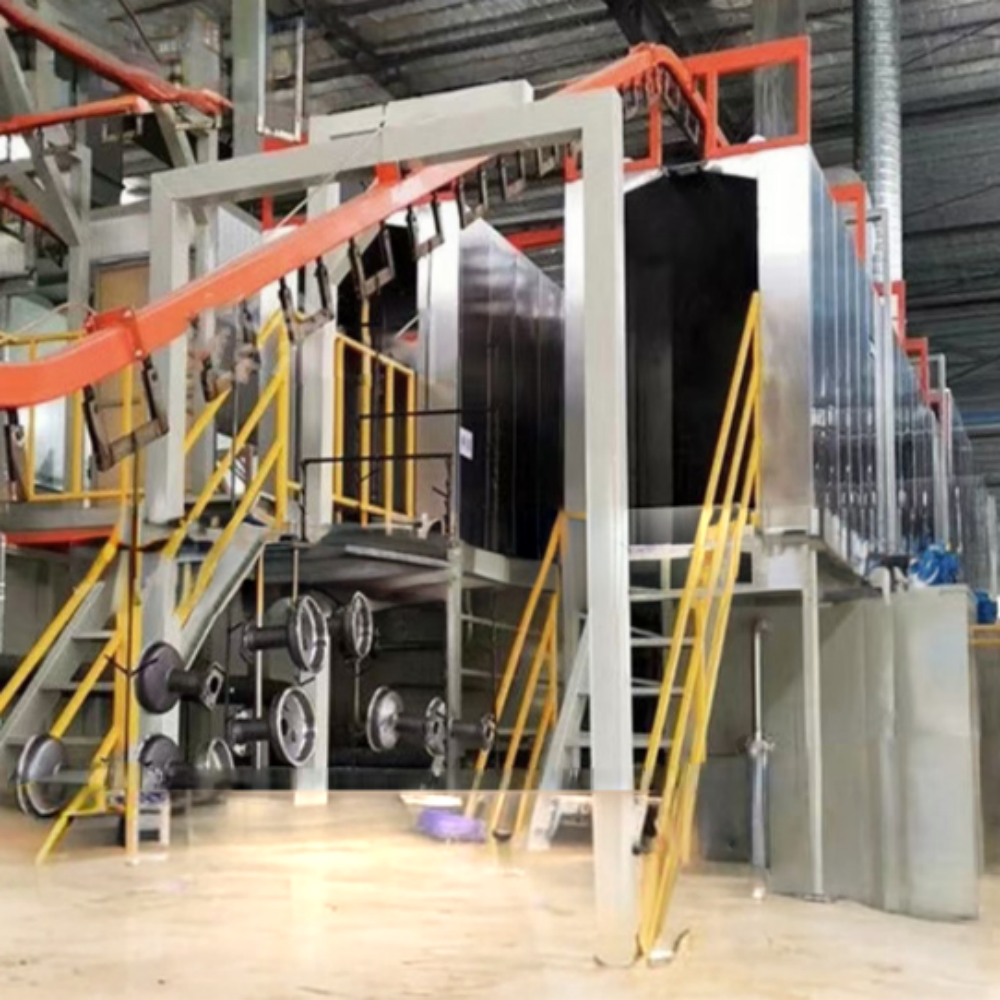
Why Pretreatment Is Fundamental to Powder Coating Adhesion
Surface Energy, Contamination, and Wettability: The Physics of Bond Formation
The way powder coatings stick depends largely on what happens at the molecular level between the material being coated and the actual coating itself. Surface energy plays a big role here because it determines how well the electrically charged powder spreads out evenly when applied through electrostatic means. When there are contaminants present such as oil, oxidation layers, or leftover ions from previous processes, these substances form areas of low surface energy typically below 30 dynes per centimeter. This results in problems like beads forming on the surface, those annoying fish eye defects, and weaker Van der Waals forces rather than strong covalent bonds which last much longer. Proper cleaning and preparation techniques raise surface energy levels to around 50 to over 60 dynes per centimeter. At these higher levels, the coating can properly wet the surface and create those chemical connections necessary for lasting durability in real world applications.
Micro-roughness and Chemical Anchoring: How Pretreatment Creates a Receptive Substrate
The pretreatment process changes passive surfaces into chemically reactive ones using two main approaches: controlled micro etching and chemical modification. When we apply conversion coatings like those based on zirconium, they create tiny surface features at the nanometer level around 0.2 to 0.5 microns roughness average, which actually boosts the surface area by as much as 400%. This expanded surface helps mechanical locking happen better. At the same time, these coatings put down phosphate or silane layers that bond chemically with metals and also attach to the backbone structures of thermoset polymers. That's why parts that go through this pretreatment last about ten times longer during standard salt spray tests according to ASTM B117 standards, and they tend to cure with pretty even cross linking throughout the material.
Core Stages of a Powder Coating Pretreatment System
Cleaning: Eliminating Oils, Oxides, and Ionic Residues with Alkaline or Hybrid Chemistries
The first thing that absolutely needs doing before anything else is cleaning. Alkaline cleaners work their magic on organic dirt through a process called saponification. Some newer formulas mix alkaline and acidic components to tackle both greasy stuff and those stubborn mineral deposits. What about those invisible ions left behind? That's where chelating agents come into play, basically sweeping away these microscopic troublemakers that cause coatings to fail when they stick around. According to industry reports, around three quarters of all problems with surface preparation actually stem from poor cleaning practices. So getting this right really matters if we want strong, lasting bonds between materials.
Rinsing & pH Control: Ensuring Conductivity < 50 µS/cm to Prevent Adhesion-Killing Spots and Carryover
The rinsing process gets rid of leftover cleaning chemicals and brings the surface pH back to normal levels. Keeping the conductivity of rinse water under 50 microsiemens per centimeter is pretty important for stopping those pesky mineral spots from forming, plus avoiding what we call "adhesion-killing" deposits and any kind of contamination carryover. Most facilities achieve this standard using deionized water throughout their operations. These days, most plants install automated conductivity sensors so they can monitor things as they happen. When companies neglect proper rinsing procedures, tiny defects start showing up on surfaces. Industry tests have shown these small issues can actually speed up corrosion development by around three times compared to properly maintained surfaces during lab simulations.
Conversion or Thin-Film Application: Zirconium, Titanium, or Silane-Based Deposition for Durable Interface Bonding
The last step involves applying an extremely thin chemical layer just under 100 nanometers thick made from materials like zirconium, titanium, or silane compounds. These substances form strong chemical bonds with both the base material and the powder polymer coating. When using zirconium or titanium, they actually create tiny crystal structures that help hold everything together mechanically. Silane treatments work differently by forming durable siloxane network structures instead. Testing shows these special coatings can boost adhesion strength anywhere between 60 to 80 percent according to ASTM D3359 standards. They also make surfaces much more resistant to corrosion problems. What makes this approach even better is that it works at normal room temperatures without needing any extra heating. Compared to older phosphate based systems, this new technology cuts down on energy consumption by about forty percent during production processes.
Modern Pretreatment Options: Performance Comparison of Phosphate vs. Thin-Film Systems
Zinc Phosphate vs. Zirconium-Titanium: Adhesion Strength (ASTM D3359) and Corrosion Resistance (ASTM B117)
For years now, zinc phosphate coatings have proven themselves time after time when it comes to sticking power and rust protection. They typically hit around class 4B to 5B for adhesion according to ASTM D3359 standards, and can last anywhere from 500 to 700 hours before showing signs of red rust under ASTM B117 salt spray tests. What's interesting is that newer zirconium-titanium thin film systems are keeping pace with these old standbys. These modern alternatives consistently reach that top 5B adhesion rating while offering similar resistance against corrosion. Plus there's another big plus point: they cut down on sludge production by more than half compared to traditional methods. For factory managers dealing with increasingly strict environmental rules, this means they can still maintain product quality on those automated powder coating lines without running afoul of regulatory requirements.
Oxsilan® and Gardobond®: Eco-Efficiency, Film Thickness (< 100 nm), and Compatibility with Automated Powder Coating Pretreatment Systems
Oxsilan® and Gardobond® represent what's new in pretreatment technology. These coatings are really thin (under 100 nm thick), produce minimal waste, and work great with fast automated production lines. The nano layers they form cut down on water usage around 35 to 40 percent, save about 30% in energy costs because they operate at lower temperatures, and basically create no sludge at all. We've seen them perform well even at line speeds over 8 meters per minute. What makes these materials stand out is how consistently they coat surfaces evenly while maintaining strong adhesion properties. This reliability explains why adoption rates jumped roughly 27% last year as manufacturers grapple with tougher EPA regulations regarding wastewater discharge standards.
Real-World Impact: How Pretreatment System Failures Drive Field Adhesion Failure
When pretreatment isn't done properly, field failures happen all the time. Most often we see adhesive coming loose from surfaces instead of the coating itself breaking down. According to an industry report from last year, around 7 out of 10 cases where adhesives failed were because something went wrong during the cleaning or rinsing steps. Surface contamination remains the main problem area for these kinds of failures. Materials that don't hit that magic number between 40 and 60 dynes per centimeter on surface energy tests usually can't bond properly. This happens when there's not enough degreasing, when water conductivity during rinsing gets messed up, or if the conversion process doesn't complete fully. What follows are expensive fixes, equipment wearing out faster than expected, and damage to company reputation. Think about those big buildings with fancy glass walls or massive construction machinery. For these critical applications, pretreatment isn't just another step in the process. It's actually one of the most important engineering decisions made early on that will affect how long everything lasts in real world conditions.
FAQ
What is surface energy and why is it important in powder coating?
Surface energy is a measure of how well a surface interacts with a coating. High surface energy allows for better wetting and adhesion of the coating, leading to stronger and more durable bonds.
How does pretreatment enhance powder coating adhesion?
Pretreatment enhances adhesion by increasing surface energy, removing contaminants, and creating micro-roughness. This ensures better mechanical and chemical bonding between the base material and the coating.
What are the benefits of using zirconium or titanium in pretreatment?
Zirconium and titanium offer strong chemical bonding and mechanical locking, improve adhesion strength significantly, and do so without requiring high temperatures, thus reducing energy consumption.
How do Oxsilan® and Gardobond® improve production processes?
These modern pretreatment solutions reduce water and energy usage, minimize waste, and are compatible with fast automated production lines, making them efficient and environmentally friendly options.
Table of Contents
- Why Pretreatment Is Fundamental to Powder Coating Adhesion
-
Core Stages of a Powder Coating Pretreatment System
- Cleaning: Eliminating Oils, Oxides, and Ionic Residues with Alkaline or Hybrid Chemistries
- Rinsing & pH Control: Ensuring Conductivity < 50 µS/cm to Prevent Adhesion-Killing Spots and Carryover
- Conversion or Thin-Film Application: Zirconium, Titanium, or Silane-Based Deposition for Durable Interface Bonding
- Modern Pretreatment Options: Performance Comparison of Phosphate vs. Thin-Film Systems
- Real-World Impact: How Pretreatment System Failures Drive Field Adhesion Failure
- FAQ