
 EN
EN
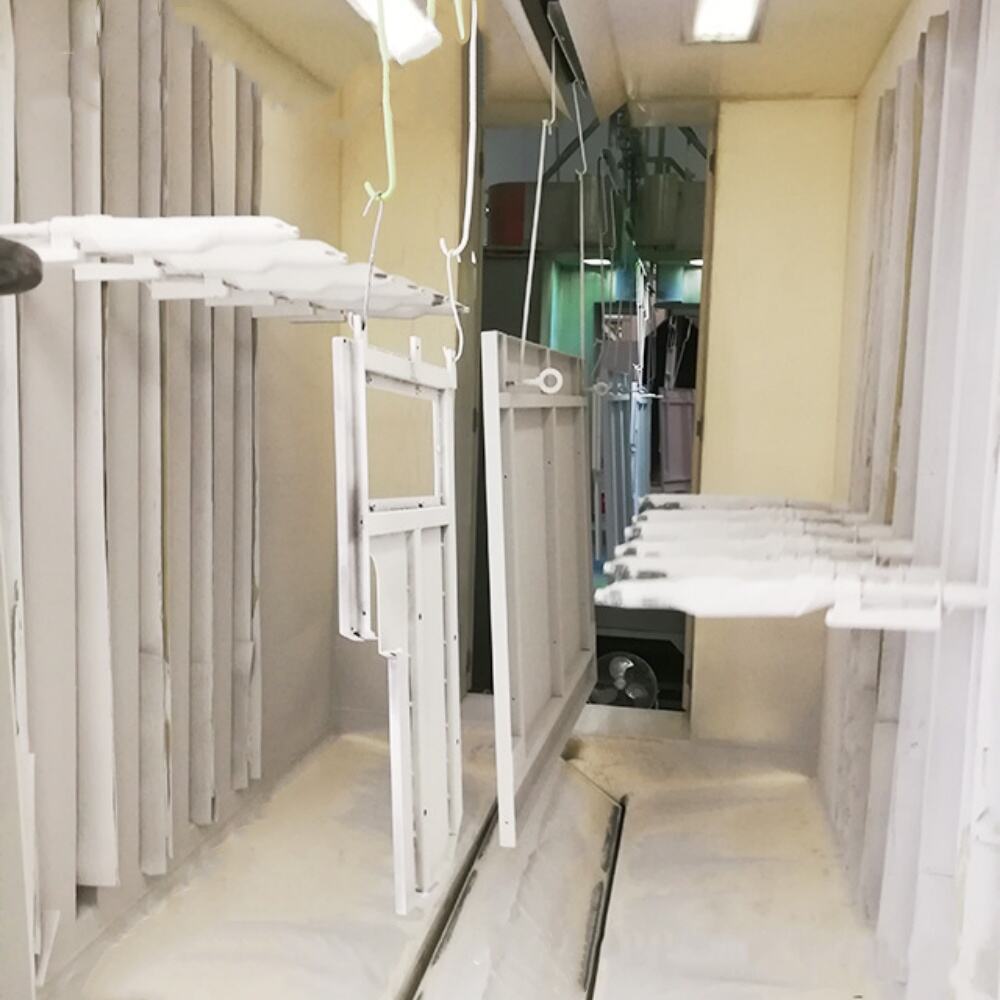
How Powder Coating Lines Achieve Sustainability for Plastics
VOC-Free Formulation and Elimination of Hazardous Air Pollutants
Powder coating lines get rid of those solvent based emissions because they work with formulas that have absolutely no volatile organic compounds or VOCs for short. Liquid coatings tend to let out all sorts of harmful air pollutants when applied and during the flash off period, but powder coatings just don't create much in the way of atmospheric contamination at all. According to data from the Environmental Protection Agency, switching to powder systems cuts down on VOC emissions by about 95% compared to traditional solvent based options. This makes a big difference for meeting air quality standards and keeping workers safe in manufacturing environments.
Near-Zero Waste via Overspray Reclamation and Closed-Loop Recovery
Today's powder coating operations manage to produce almost no waste thanks to their built-in overspray collection systems. The latest recovery technology grabs around 99 percent of what gets sprayed but doesn't stick, filters it out, and sends it right back into the system as it goes along. This kind of circular process completely avoids those dangerous solvent-filled waste problems we see with traditional liquid coatings, where roughly 0.4 kilograms per square meter ends up needing special handling for disposal. Factory floor reports from auto makers show they're getting over 98% usage efficiency when using powder coatings compared to just 60 to 70% with liquid paints. That means far less trash going to landfills and lower expenses related to meeting environmental regulations.
Energy Efficiency: 30–50% Lower kWh/m² vs. Liquid Coating Lines
Powder coating operations actually use around 30 to 50 percent less energy for each square meter compared to traditional liquid painting methods. This big difference comes mainly because there's no need for all that energy hungry solvent evaporation step that conventional systems require. The newer infrared and near infrared curing tech allows coatings to bond quickly even at much lower temps, usually somewhere between 110 and 150 degrees Celsius. What does this mean practically? Thermal requirements drop significantly and parts spend far less time in the oven now going from hours down to just minutes. Combine this with proper heat recovery systems throughout the facility and manufacturers see real reductions in their overall carbon footprint while still maintaining production speeds and getting finishes that look just as good as ever.
Enabling Plastic Substrates: Low-Temperature Curing Technologies in Modern Powder Coating Lines
UV-Curable and NIR-Activated Powders for Thermoplastics
Modern powder coating lines overcome plastic’s heat sensitivity through UV (Ultraviolet) and NIR (Near-Infrared) curing technologies. These powders cure below 120°C—well within the thermal limits of thermoplastics like ABS, PVC, and polypropylene—unlike traditional systems requiring 160–200°C. Key advantages include:
- 50% faster curing cycles, reducing energy use by up to 40%
- Zero substrate warping, even on thin-walled components
- Compatibility with temperature-sensitive electronics housings
As noted in Coatings Technology Magazine, this thermal precision has expanded powder coating into wood, composites, and plastic sectors previously dominated by liquid coatings.
Case Study: Polypropylene Automotive Trim Coated at 110°C Without Distortion
One major auto parts manufacturer recently managed to get those perfect smooth finishes on polypropylene trim pieces thanks to their new low cure powder coating setup running around 110 degrees Celsius. They found success by working with these special infrared sensitive powders and carefully adjusting how long parts stayed in the curing chamber. The whole system kept everything dimensionally stable throughout production. What's really impressive is that this approach cut down energy usage by about 35 percent compared to what most companies typically spend on traditional methods. And despite all these efficiency gains, there was no drop off in quality either. The coatings still stuck well to surfaces, held up against wear and tear, and looked great too. This shows that powder coating can actually work wonders even with materials that usually melt or warp when exposed to high temperatures.
Material Compatibility and Surface Preparation for Reliable Adhesion
Successful plastic powder coating hinges on rigorous surface preparation to overcome the material’s inherently low surface energy. Industry studies attribute over 70% of coating failures to inadequate pretreatment. For thermoplastics like polypropylene and nylon—common in automotive and consumer goods—reliable adhesion requires a controlled three-stage process:
- Contaminant removal using alkaline cleaners or solvents to eliminate mold release agents and processing oils
- Surface abrasion via chemical etching or mechanical roughening (e.g., grit blasting) to increase bondable surface area by 3–5Å
- Chemical activation using flame, plasma, or corona treatment to elevate surface energy above 50 dynes/cm
When setting up a powder coating system for plastic parts, it makes sense to include those pretreatment steps right before applying the electrostatic charge. Skip this part of the process and problems start showing up fast. Tiny residue particles stick around or the surface just stays too smooth, leading to all sorts of issues like craters forming, coatings peeling off, and components wearing down much sooner than expected even when using those fancy low-cure powders that supposedly solve everything. Most professionals in the field will tell anyone who asks that getting that water contact angle measurement under 85 degrees really matters if we want consistent powder coverage across the entire surface area and proper melting during the curing stage.
Frequently Asked Questions
What are the environmental benefits of powder coating lines?
Powder coatings significantly reduce VOC emissions, virtually eliminate hazardous waste through closed-loop recovery, and use 30–50% less energy compared to traditional systems. This contributes to cleaner air, less waste, and lower carbon footprints.
How do powder coatings benefit plastic substrates?
They enable coating on plastics by using low-temperature curing technologies like UV and NIR, preventing warping and allowing compatibility with temperature-sensitive materials.
Is surface preparation important for powder coating on plastic substrates?
Yes, thorough preparation is critical to ensure adhesion by removing contaminants, increasing bondable area, and activating the surface for improved coating performance.