
 EN
EN
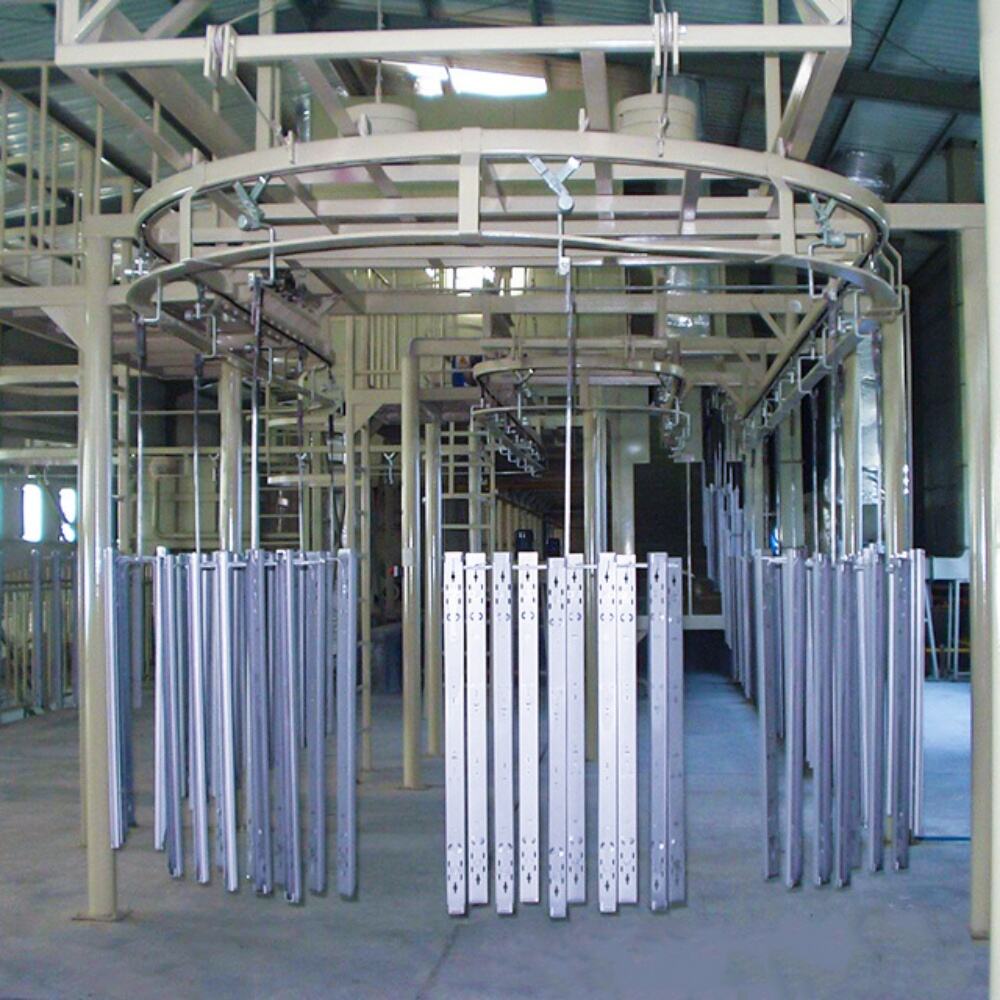
Durability That Meets Real-World Furniture Demands
Resistance to chipping, scratching, and abrasion in high-traffic residential and contract furniture
Furniture needs tough protection when placed in tough spots, and powder coating gives just that kind of surface strength. The process works differently from regular paint jobs because this special polymer actually fuses at the molecular level with metal surfaces when heated. What happens? A solid protective layer forms that stands up to all sorts of everyday abuse. Think about hotel chairs or office desks that get touched hundreds of times each day. Tests run by industry experts have found these powder coated surfaces last about three times longer than normal liquid paints when put through standard scratch and wear tests. Why does this matter so much? Because of how the molecules link together in a cross pattern, tiny cracks don't form as easily. That means no chips showing up on hospital beds or school benches after kids bump into them. According to some recent studies from IFMA, this durability translates to saving around 40 percent on replacement costs for facilities over about five years.
Long-term corrosion protection on steel and aluminum frames under ASTM B117 salt-spray testing
Furniture that gets wet or sits outside needs good protection against rust, and powder coating does just that. When we put it on steel or aluminum that's been cleaned right, tests show these coated pieces can last over 1,000 hours in salt spray without showing any red rust. That beats the standard requirement of 750 hours for regular commercial furniture. Why does this happen? Well, the powder forms a solid layer that stops water and other stuff from getting through, so the metal underneath doesn't corrode as easily. Research has found that outdoor furniture with this kind of coating stays strong for at least twelve years even near the coast, saving about 27% on replacement costs when compared to old fashioned electroplating methods according to a study from NACE back in 2022. Plus, since there are no solvents involved, those tiny holes that often appear in liquid paints simply don't exist here, giving better protection over time.
Environmental and Regulatory Advantages of Modern Powder Coating Lines
Zero-VOC operation and seamless compliance with EPA, EU REACH, and California Prop 65 for commercial furniture production
Powder coating systems today run without any volatile organic compounds (VOCs) when applied and cured. Since there are no solvents involved, these processes cut down on air pollution problems and reduce health risks for workers inside factories. Furniture makers find themselves automatically meeting tough environmental rules around the world. Think about requirements from the U.S. Environmental Protection Agency regarding air quality, the European Union's REACH regulations controlling chemicals, plus those strict toxicity standards under California's Proposition 65. Companies save money by dodging costly fines that can reach into the hundreds of thousands of dollars, all while working toward certifications like LEED for green buildings. Factory staff members also enjoy better working conditions where they don't have to worry about breathing harmful substances anymore.
95%+ transfer efficiency and overspray recyclability—cutting material waste by up to 30% vs. liquid coating lines
With advanced electrostatic methods, powder coating systems can achieve transfer efficiencies above 95%. What happens to the leftover powder? Modern systems actually catch most of it right away through these closed loop recovery setups. This cuts down on wasted materials by around 30% when compared to old school liquid finishes. The environmental benefits are pretty impressive too. Landfills see almost nothing coming from these coating processes anymore. Companies spend less money buying new raw materials since so much gets reused. Plus they don't have to pay for getting rid of dangerous waste products anymore. Production costs go down overall while the planet takes a hit that's way lighter than before.
Operational Efficiency and Scalability Across Furniture Production Volumes
20–40% faster line throughput vs. multi-stage liquid systems—validated in OEM metal furniture powder coating line deployments
Compared to traditional multi-stage liquid painting setups, powder coating operations typically process parts 20 to 40 percent quicker since they skip the waiting period for solvents to evaporate and apply just one coat instead of multiple layers. We've seen this time savings firsthand at several large metal furniture manufacturing plants where production managers report significant reductions in cycle times. The reason? A much simpler process flow: no need for separate primer or finish coats, plus infrared or hot air curing takes mere minutes rather than the several hours required by conventional methods. What's more, these systems come in modular configurations that make scaling operations straightforward. When orders suddenly spike, operators can simply boost conveyor speeds without worrying about inconsistent paint coverage. Additional ovens or extra spray stations can be added as business grows, giving manufacturers room to expand gradually without massive upfront investments. This kind of adaptability means companies aren't stuck with expensive equipment when markets fluctuate, and it also helps maintain paint quality whether producing custom pieces for commercial clients or standard items for home use.
Aesthetic Flexibility Without Process Complexity
Single-coat texture, gloss, matte, and metallic effects—enabling rapid SKU customization for outdoor, office, and hospitality furniture
Today's powder coating lines can create all sorts of looks from rough textures to shiny glosses, flat matte finishes, and even metallic effects, all in one go. There's no need for primer layers, several coats, or waiting around for things to cure. This makes production much smoother for stuff like outdoor furniture that needs to stand up to weather, office furniture where people want scratch resistant matte surfaces, and hotel furnishings with those fancy metallic touches. Switching between different powders takes about 40 to maybe 60 percent less time compared to old school methods, so factories can swap materials quickly between batches. What this means is manufacturers can respond faster when seasons change or trends pop up, getting custom product lines to market quicker while still maintaining good quality on tricky shaped products.
FAQ
What is powder coating and why is it used in furniture production?
Powder coating is a process where powder is applied to metal surfaces and then heated to form a protective layer. It's used in furniture production for its durability, resistance to chipping and corrosion, environmental benefits, and aesthetic flexibility.
How does powder coating improve environmental compliance?
Powder coating systems are zero-VOC and comply with environmental regulations like EPA, EU REACH, and California Prop 65. They reduce air pollution and health risks for workers, helping companies avoid costly fines.
What are some advantages of powder coating over liquid coating methods?
Powder coating offers higher transfer efficiency (95%+), reduces material waste by up to 30%, and decreases production costs. It also provides long-term durability and requires less time for switching between different finishes.