
 EN
EN
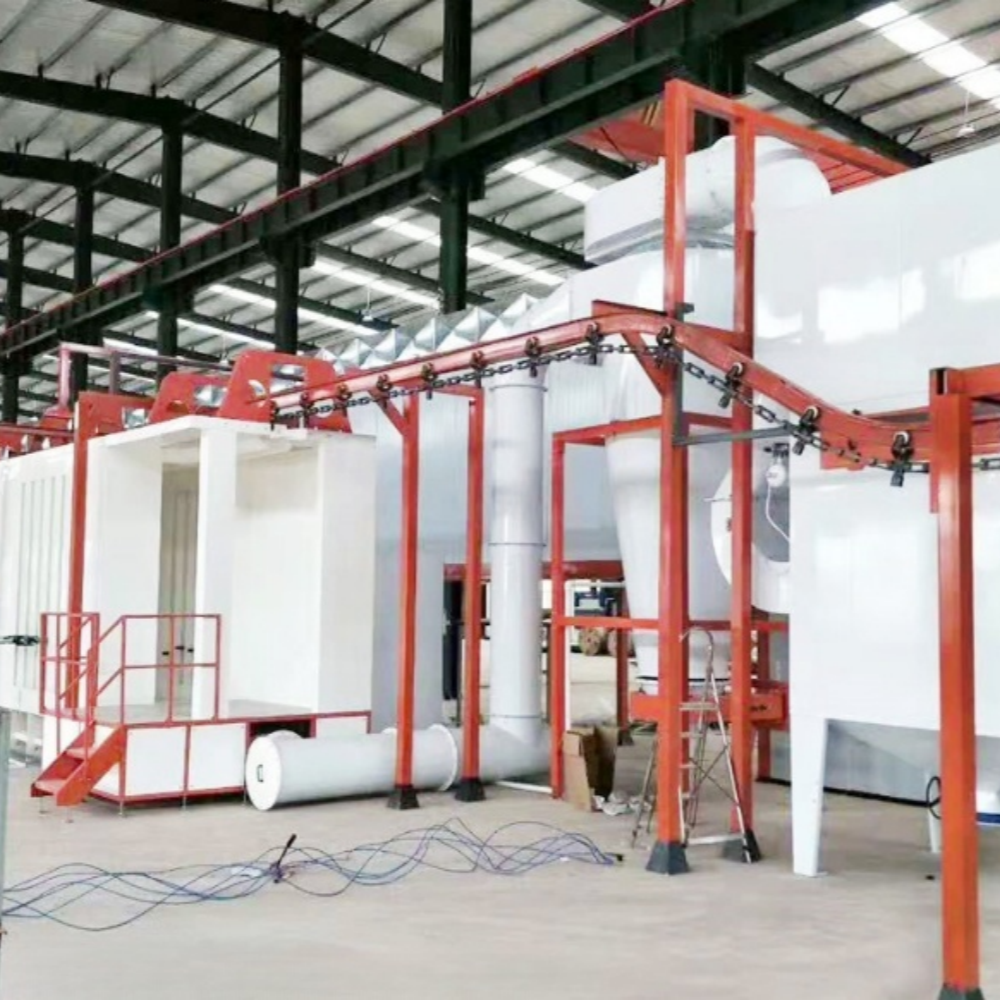
High Transfer Efficiency: The Core Waste-Reduction Mechanism of Powder Spraying Systems
How electrostatic attraction maximizes powder adhesion and minimizes overspray
In powder spraying systems, the magic happens thanks to electrostatic charges that make the material stick where it needs to go. When the powder moves through the spray gun, each particle gets charged negatively, which is opposite to what's happening with the metal part being coated. This creates an electric pull that basically guides the powder right onto the surface. Compared to traditional liquid paints that just drip down because of gravity and thickness issues, this method really directs the particles exactly where they should be. There's way less wasted material flying around since most of it actually sticks on contact. Numbers from factories tell us something interesting too: transfer efficiency often hits over 80% when dealing with straightforward shapes, and special collection systems grab whatever gets airborne so it can be used again almost instantly. For manufacturers looking at their bottom line, these efficiencies mean big savings without compromising quality.
Industry benchmarks: 60–95% transfer efficiency vs. liquid paint's 30–60%
Material efficiency metrics underscore powder's decisive advantage over conventional liquid coatings:
| System Type | Average Transfer Efficiency | Material Recovery Rate |
|---|---|---|
| Powder Spray System | 60–95% | Up to 95% reclaimable |
| Liquid Paint | 30–60% | <5% reusable |
Three structural advantages drive this gap:
- Electrodynamic deposition mitigates particle rebound
- Targeted spray patterns eliminate gravitational pooling and runoff
- Dry application enables instant recovery of airborne overspray
Liquid coatings tend to lose a lot of their solvent content through evaporation, which is why many facilities need special equipment to control hazardous air pollutants. Powder coating systems work differently though they keep almost all of the original materials intact. Industry data shows that companies switching to these newer powder systems typically see between 40% and 60% less material usage overall. What's interesting about this technology is that even when old powder gets mixed back into new batches at ratios as high as 90%, it still performs around 90% as well as brand new material would. This makes powder systems not just environmentally friendlier but also more cost effective for businesses looking to cut waste.
Closed-Loop Recovery: Reclaiming Overspray in Powder Spraying Systems
Cyclonic and cartridge filtration systems capture >95% of overspray for immediate reuse
Today's powder coating setups rely on carefully managed negative pressure air flow around 0.4 to 0.6 meters per second to suck up excess powder and channel it into built-in collection systems. The first stage usually involves cyclonic separators that knock out roughly 90% of floating powder particles using centrifugal force. What remains gets filtered through high efficiency cartridges which grab those tiny bits via static electricity sticking them to filter media. Combined, these stages typically recover over 95% of wasted material. Once collected, the reclaimed powder just needs simple screening to get rid of bigger debris and impurities before going back into production. To put numbers in perspective, most businesses spend about $10k on such systems. These installations can turn around 100 kilograms of monthly overspray waste into approximately 95 kg of usable powder again. At current market prices where materials cost around $6 per kilogram, companies save nearly $570 each month on disposal fees alone. Regular maintenance matters too – weekly cleaning of those cyclones keeps everything running smoothly without performance drops over time.
Performance retention: reclaimed powder maintains consistent flow and cure properties at up to 90% blend ratio
When mixed with new material, recovered powder still keeps most of its important working characteristics. Tests show that the powder flows consistently and cures properly even when as much as 90% of it is reclaimed material. This works because we've developed better filtering systems that keep those tiny particles between 35 and 45 microns in size. The good news is this means companies can reuse the powder for all sorts of jobs - regular industrial coatings as well as fancy high gloss or textured finishes - without worrying about problems with how evenly it covers surfaces or sticks to them. We sieve out clumps and dirt from the environment too, so what comes back meets our original standards. And there's another benefit: businesses typically save around 15 to 20 percent on materials each year when they incorporate this reclaimed powder into their operations.
Precision Control: How Automated Parameters Prevent Overapplication and Rework
Voltage, airflow, and gun-to-part distance regulation ensure uniform film build (60–120 μm) without overbuild or thin spots
Powder coating systems that are automated help cut down on material waste because they control three main factors at once: the static charge level, how fast air moves through the system, and how far away the spray gun stays from what's being coated. The sensors built into these machines keep the electrical charge right around 60 to 100 kilovolts most of the time. This helps the powder stick better without bouncing off or creating too much overspray. When it comes to airflow, the system blows the powder particles exactly where they need to go, so there's no drifting around. For positioning, robots or special guides make sure the spray head stays at just the right distance from the part. This lets the coating build up evenly between about 60 and 120 micrometers thick. What happens when everything works together? We avoid two big problems: applying too much coating that needs stripping later, or not enough coating that means starting all over again. The end result is coatings that vary only about plus or minus 5 micrometers in thickness. That cuts down on touch-up work needed compared to hand spraying methods by roughly half sometimes.
Tangible Sustainability and Cost Benefits of Modern Powder Spraying Systems
Powder spraying systems offer real benefits for both the environment and business bottom lines because they work without solvents and keep materials contained in a closed loop system. When companies switch away from VOCs, they cut down on air pollution problems and sidestep all those expensive regulations around HAP controls that most manufacturers dread dealing with. Industry data shows something pretty impressive too - these systems recover over 95% of overspray material, which cuts raw material costs between 30 to 50 percent when compared to traditional liquid coatings. And energy consumption drops significantly as well since thermal curing requires about 20 to 30% less power than what's needed for solvent evaporation methods. The durability factor adds even more value long term. Powder coated surfaces last anywhere from three to five times longer in harsh conditions, meaning fewer replacements are needed, less time spent on maintenance, and overall lower costs throughout the product's lifespan. All these advantages make powder spraying not just good for business but also makes sense environmentally while standing up to financial scrutiny in tough market conditions.
FAQ Section
What is transfer efficiency in powder spraying systems?
Transfer efficiency refers to the percentage of powder that adheres to the target surface compared to the amount sprayed. High transfer efficiency, often exceeding 80% in straightforward shapes, reduces waste and improves cost-effectiveness.
How is overspray managed in powder spraying systems?
Overspray is managed using cyclonic and cartridge filtration systems that capture over 95% of excess powder, which can then be reclaimed and reused, reducing waste and material costs.
Why are powder spraying systems more environmentally friendly?
Powder spraying systems are more environmentally friendly because they eliminate solvents, reduce VOC emissions, and reclaim overspray, resulting in less waste and lower energy consumption compared to traditional liquid coatings.
What are the cost benefits of using powder spraying systems?
Cost benefits include reduced raw material costs, energy savings from lower thermal curing needs, and longer-lasting coatings that require less maintenance and replacement.
Table of Contents
- High Transfer Efficiency: The Core Waste-Reduction Mechanism of Powder Spraying Systems
- Closed-Loop Recovery: Reclaiming Overspray in Powder Spraying Systems
- Precision Control: How Automated Parameters Prevent Overapplication and Rework
- Tangible Sustainability and Cost Benefits of Modern Powder Spraying Systems
- FAQ Section