
 EN
EN
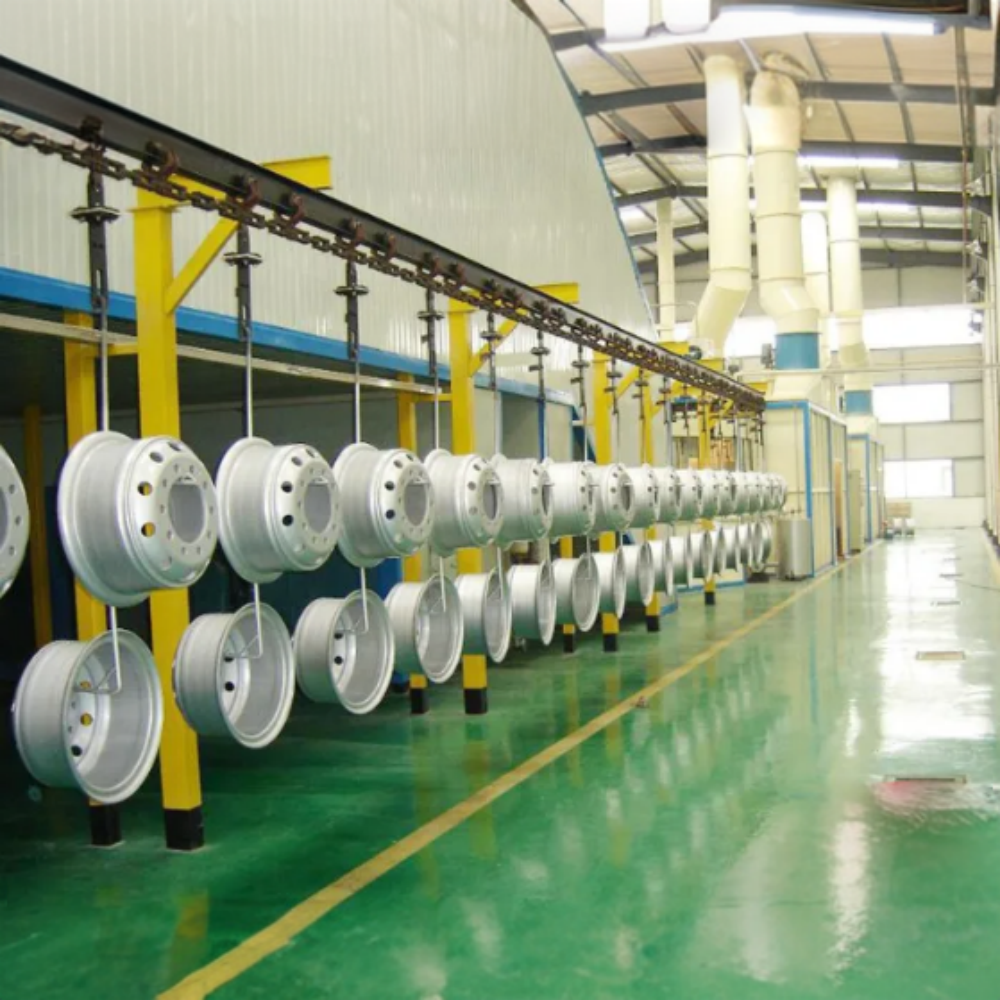
Core Components of a Uniformity-Optimized Powder Coating System
Electrostatic Spraying Module: Voltage, Flow Rate, and Distance Calibration
Getting electrostatic spraying right depends on balancing three main factors together: the voltage level which typically ranges from 40 to 100 kilovolts, how much powder flows through per minute, and the distance between the nozzle and what's being sprayed, usually around 15 to 30 centimeters apart. If any of these parameters drift more than 10%, the particles don't charge properly, leading to variations in film thickness that can swing anywhere from plus or minus 30%. Today's advanced equipment comes equipped with sensors that constantly tweak the voltage depending on the shape of the object being coated. At the same time, special controllers keep the powder flowing at consistent rates. When dealing with complicated geometries, manufacturers often turn to lasers to guide where the spray goes, making sure it stays within that sweet spot distance and avoiding those pesky Faraday cage problems where certain areas just won't get coated properly. All this careful control cuts down on wasted materials and repeat work significantly. Studies show that such automated systems cut rework needs by about a fifth compared to old fashioned manual methods according to research published in Surface Engineering Journal last year.
Robotic Application Arms with Path Precision and Faraday Cage Compensation
Six axis robotic arms can repeat their paths down to the micron level, which makes all the difference when coating those tricky recessed spots or complicated geometries. The smart software built into these systems actually adjusts voltage while spraying is happening and moves the spray gun around in real time. This helps fill in those hard to reach cavities much better than old fashioned static booths could ever manage. Some tests show they handle these problems about three times better too. There are also special circuits that monitor grounding throughout the process, keeping parts at the right conductivity level so there aren't those annoying charge differences that lead to ugly edge buildup. And when manufacturers make sure their materials are properly prepped beforehand, most shops report getting around 95% good parts on the first try even with really complex assembly jobs.
Real-Time Process Control in Modern Powder Coating Systems
Achieving consistent film thickness requires systems capable of instant, intelligent parameter adjustments—moving far beyond static, open-loop operation.
Closed-Loop Feedback Integration for Dynamic Parameter Adjustment
Intelligent controllers continuously analyze real-time conductivity and deposition data. When measurements exceed preset tolerances—such as ±5 µm—the system autonomously recalibrates:
- Electrostatic output, adjusting kilovolt levels to sustain optimal particle charge density;
- Flow regulators, tuning fluidization pressure and delivery rates;
-
Nozzle positioning, adapting to part geometry anomalies.
This proactive correction prevents defects like thin edges or Faraday cage voids before they occur—reducing annual reject costs by $740k per facility (Ponemon Institute, 2023).
Inline Film Thickness Monitoring via Eddy Current and Magnetic Induction Sensors
Non-contact sensors scan coated parts during cure cycles, capturing over 200 measurements per meter. Eddy current sensors detect micron-scale variations on conductive substrates (e.g., steel automotive frames); magnetic induction sensors serve non-ferrous surfaces (e.g., aluminum extrusions). Leading manufacturers report a 60% reduction in thickness deviations versus manual verification methods.
Pretreatment and Grounding: Non-Negotiable Foundations for System-Level Uniformity
Phosphating vs. Zirconium Conversion: Consistency in Surface Conductivity and Adhesion
Getting uniform powder deposition starts way before actual spraying happens. Proper pretreatment sets the stage for good surface conductivity and proper adhesion. Phosphating creates these tiny crystal layers on surfaces which helps with both conductivity and sticking power, though it needs really careful control of the chemical baths. For those looking for something different, zirconium conversion coatings work too. They're thinner than phosphates and don't contain chromium, giving similar conductivity results as long as they're applied under very specific pH levels and temperatures. Rinsing thoroughly after treatment matters a lot here because leftover salts or other stuff left behind can mess up the grounding connection completely. Most industry specs say grounding resistance should stay under 1 megaohm. When companies miss that mark, static electricity builds up instead of being grounded properly. This leads to spots where no coating sticks at all and can create coating thickness differences of almost 40% on complicated shapes.
Operational Discipline: Equipment Integrity and Technician Proficiency in Powder Coating Systems
Keeping things consistent over time really comes down to regular maintenance work and having properly trained staff. Cleaning those spray guns every day stops nozzles from getting clogged, which messes up the electrostatic patterns we rely on. And don't forget about calibrating the voltage generators once a month so particles stay charged properly. Anyone working on these systems should have proper certification though. These qualifications matter because they let technicians spot problems like Faraday cage effects or grounding issues when the equipment is actually running. If there's no clear plan for replacing worn parts such as corona needles or fluidizing membranes, then film thickness starts to vary quite a bit. Studies show that without good maintenance practices, the quality drops around 30% after just half a year. The bottom line is that all this careful attention makes a real difference. Equipment that isn't well maintained leads to higher rejection rates. Industry data suggests about 22% more rejects happen when maintenance standards slip.
FAQ
What is the importance of voltage calibration in powder coating systems?
Voltage calibration is crucial in powder coating systems as it ensures that particles are properly charged, leading to consistent film thickness and reducing material waste and rework needs.
How do robotic application arms improve powder coating precision?
Robotic application arms enhance precision by repeating paths down to the micron level and adjusting voltages in real time, thereby effectively covering hard-to-reach cavities and minimizing paint defects.
What are the benefits of closed-loop feedback in coating systems?
Closed-loop feedback allows for dynamic parameter adjustments in coating systems, which helps in maintaining uniform film thickness, preventing defects, and reducing reject costs.
Why is proper pretreatment necessary in powder coating?
Proper pretreatment ensures good surface conductivity and adhesion, which are necessary for uniform powder deposition. It also prevents issues like static build-up that can affect coating quality.
How does maintenance impact the effectiveness of powder coating systems?
Regular maintenance is vital to keeping equipment functioning properly, preventing defects, and reducing reject rates. Poor maintenance can lead to a significant drop in quality over time.
Table of Contents
- Core Components of a Uniformity-Optimized Powder Coating System
- Real-Time Process Control in Modern Powder Coating Systems
- Pretreatment and Grounding: Non-Negotiable Foundations for System-Level Uniformity
- Operational Discipline: Equipment Integrity and Technician Proficiency in Powder Coating Systems
-
FAQ
- What is the importance of voltage calibration in powder coating systems?
- How do robotic application arms improve powder coating precision?
- What are the benefits of closed-loop feedback in coating systems?
- Why is proper pretreatment necessary in powder coating?
- How does maintenance impact the effectiveness of powder coating systems?