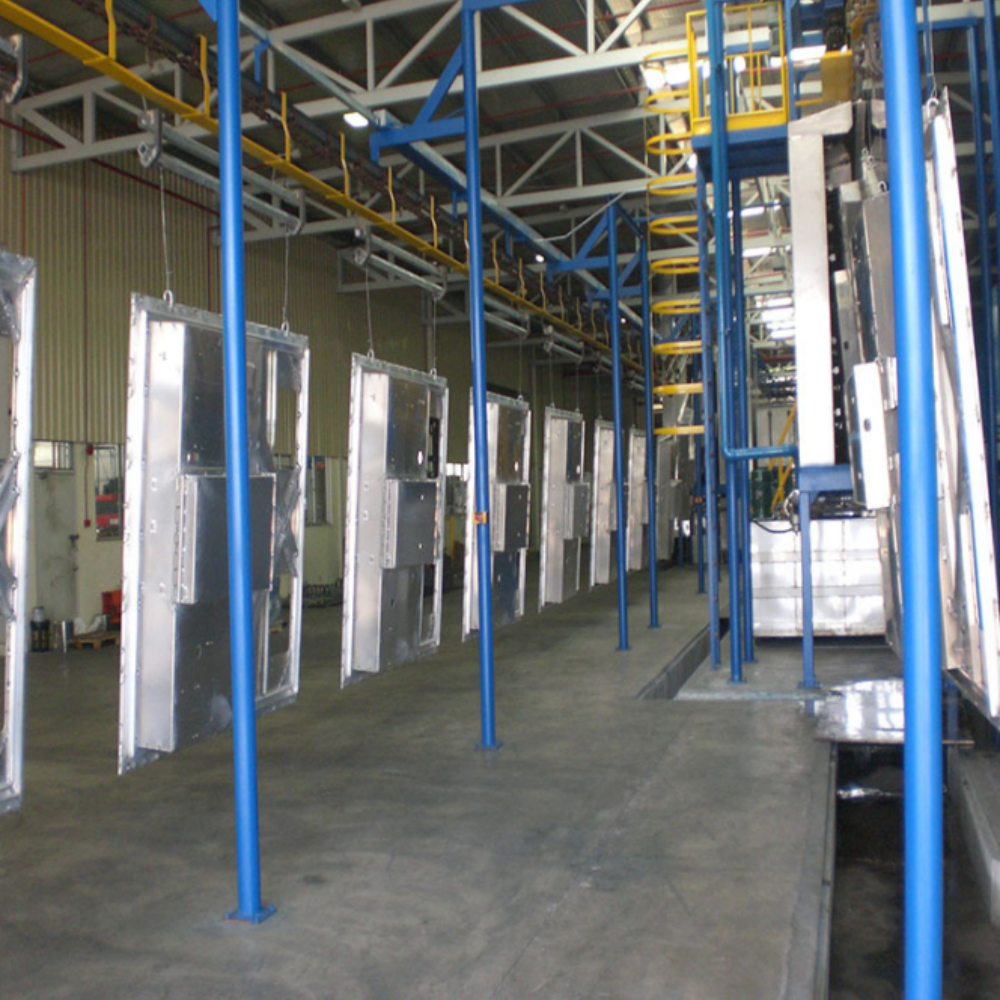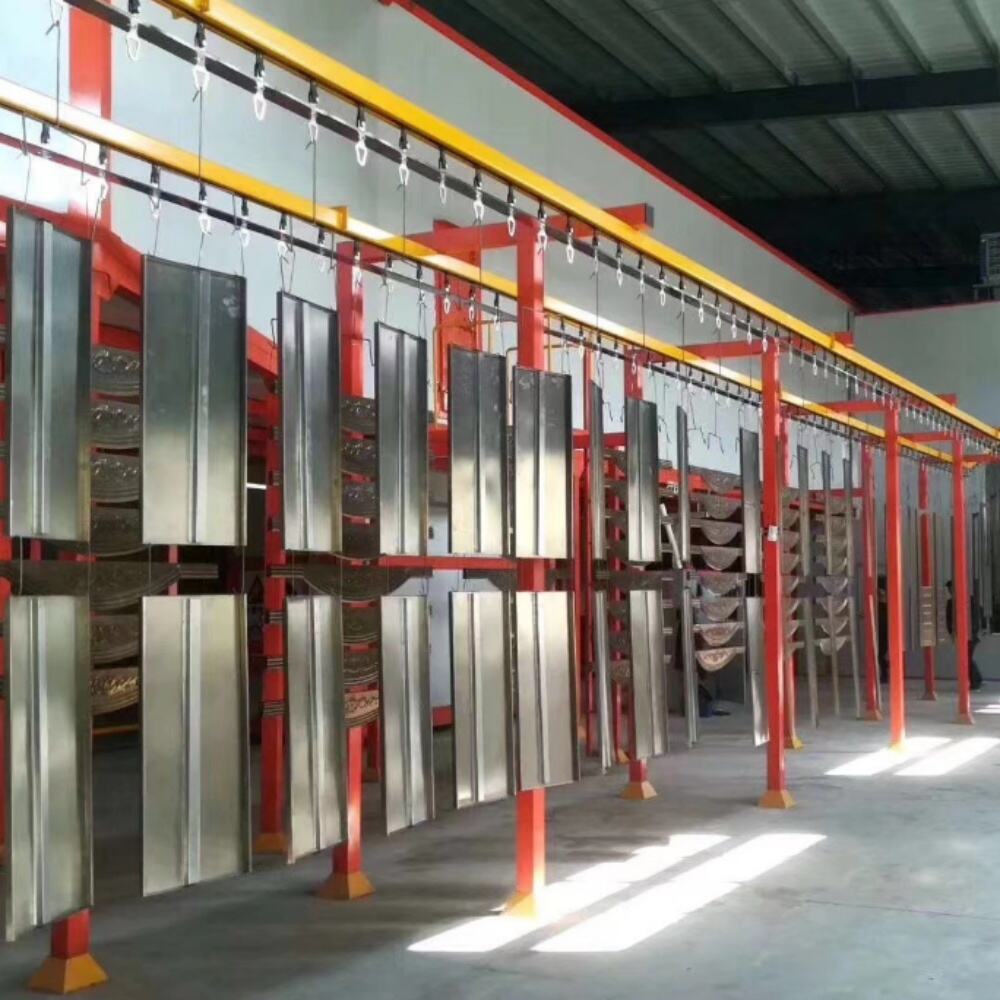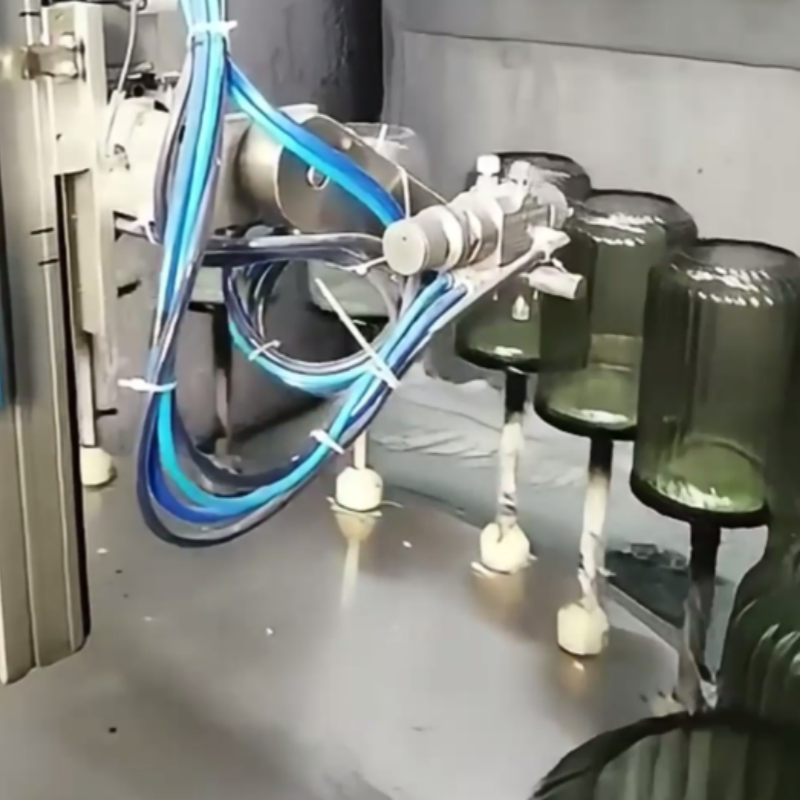

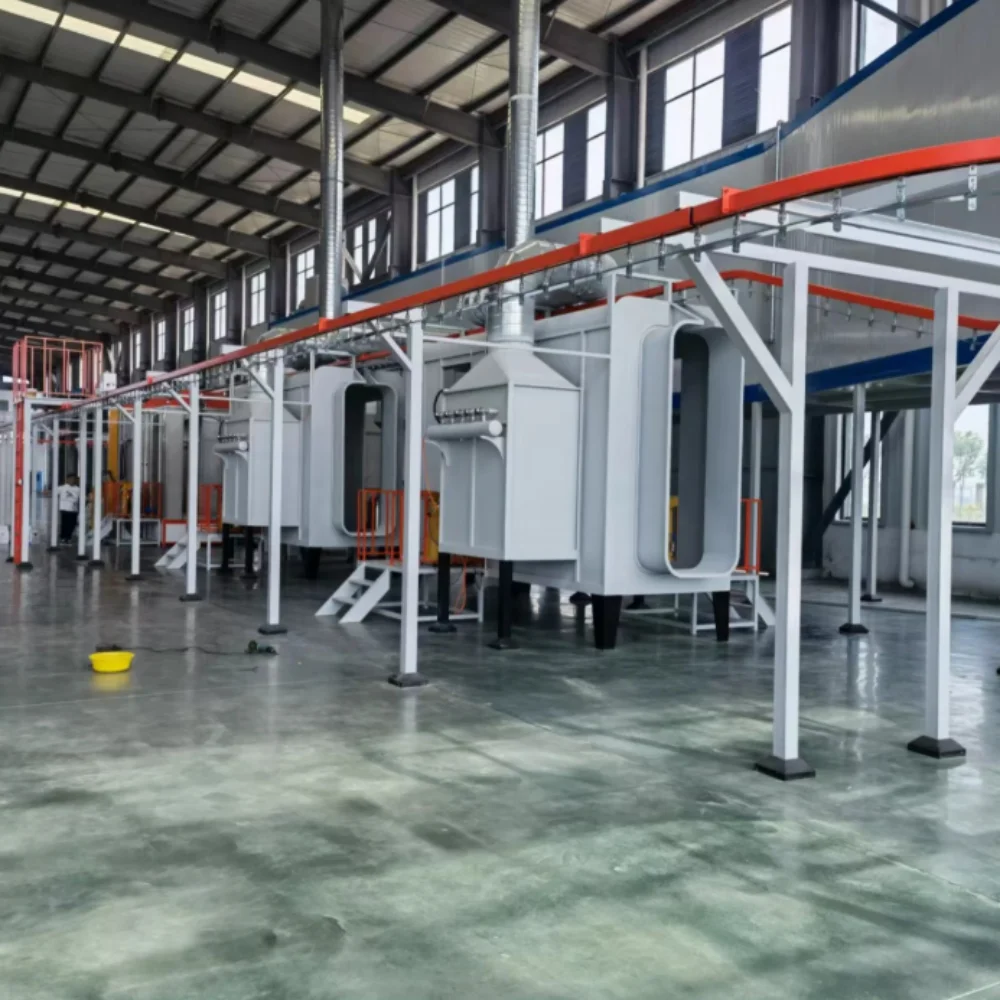
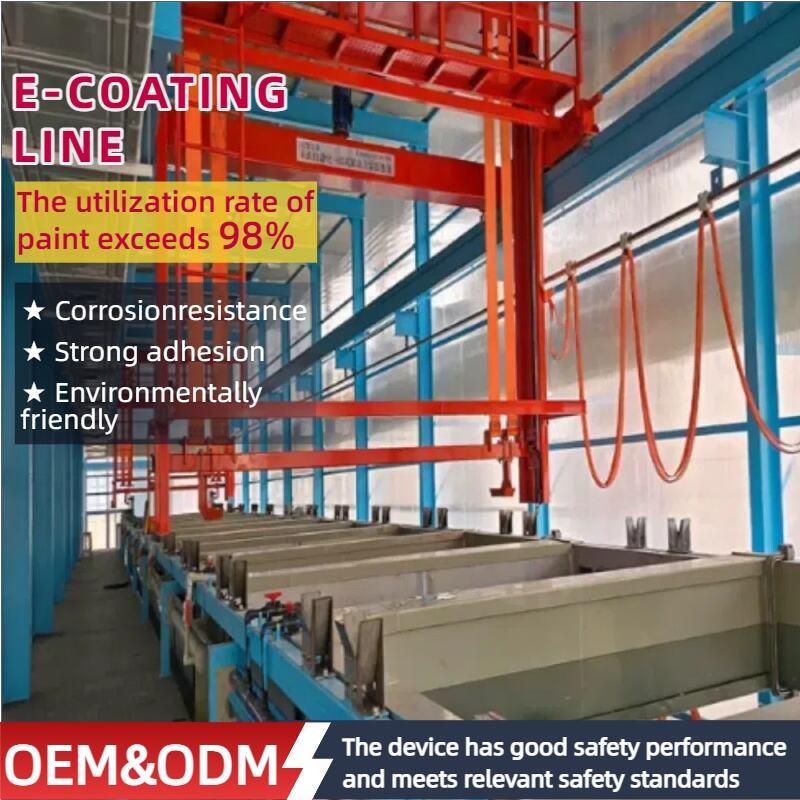
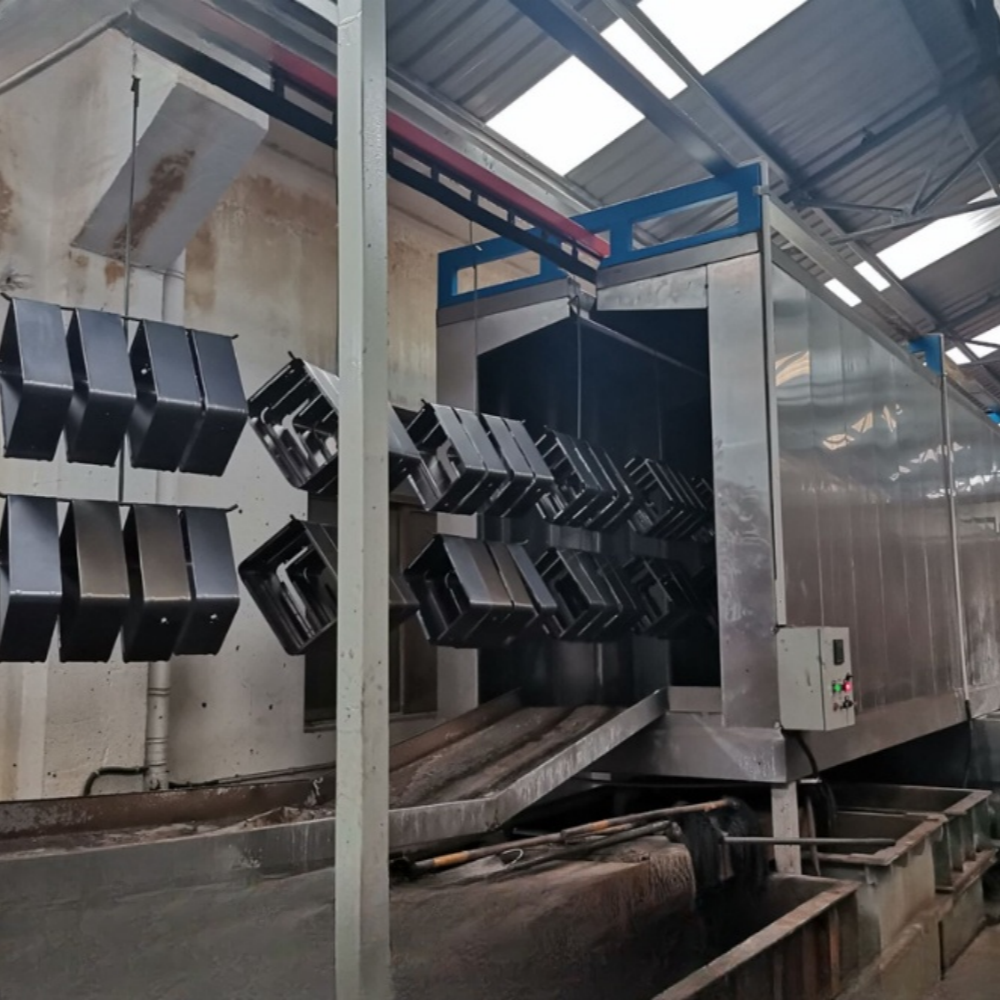
In the modern industrial landscape, an automatic painting machine is a cornerstone of smart manufacturing and Industry 4.0 initiatives. It transcends basic automation by incorporating data acquisition, real-time monitoring, and network connectivity. Modern systems are equipped with sensors that monitor fluid pressure, atomizing air pressure, fan patterns, and robot kinematics. This data is fed back to the control system, which can make micro-adjustments on the fly to maintain quality and can also be logged for full traceability and quality assurance documentation. This is particularly valuable for audited industries, providing a digital record of the coating process for every serialized product. The versatility of these machines is remarkable. They can be configured to handle a vast array of substrates, including metals, plastics, wood, glass, and composites. For plastic spraying lines, specific considerations are taken into account. Plastic parts often require electrostatic dissipation or specific primer applications to ensure paint adhesion. Automatic machines can be programmed to apply a conductive primer in one step before applying the topcoat in the next, all within a single automated cycle. A notable case study involves a manufacturer of ceramic tiles and glass handicrafts. Using specialized automatic spraying machines, they can apply intricate decorative patterns and glazes with a level of detail and consistency impossible to achieve manually. The machine can be fitted with multiple spray heads for different colors or effects, operating with micron-level accuracy to create complex designs without any blurring or bleeding. Similarly, in the hardware industry, for items like door handles and locks, a multi-stage automatic system might include a basecoat application, a metallic flake spray for effect, and a final clear coat for protection, all performed automatically with precise drying intervals in between. The conveying system, whether overhead monorail or belt-driven, is synchronized with the painting robots to ensure a seamless flow. When planning a new line, factors like the required production capacity (parts per hour), the complexity of part geometries, and the desired finish quality (e.g., Class A automotive, standard industrial) are paramount. We provide tailored solutions that integrate these machines into your production ecosystem. For specific information regarding models, capabilities, and cost, please contact us. Our specialists will provide you with a comprehensive analysis and quotation based on your unique requirements.