
 EN
EN
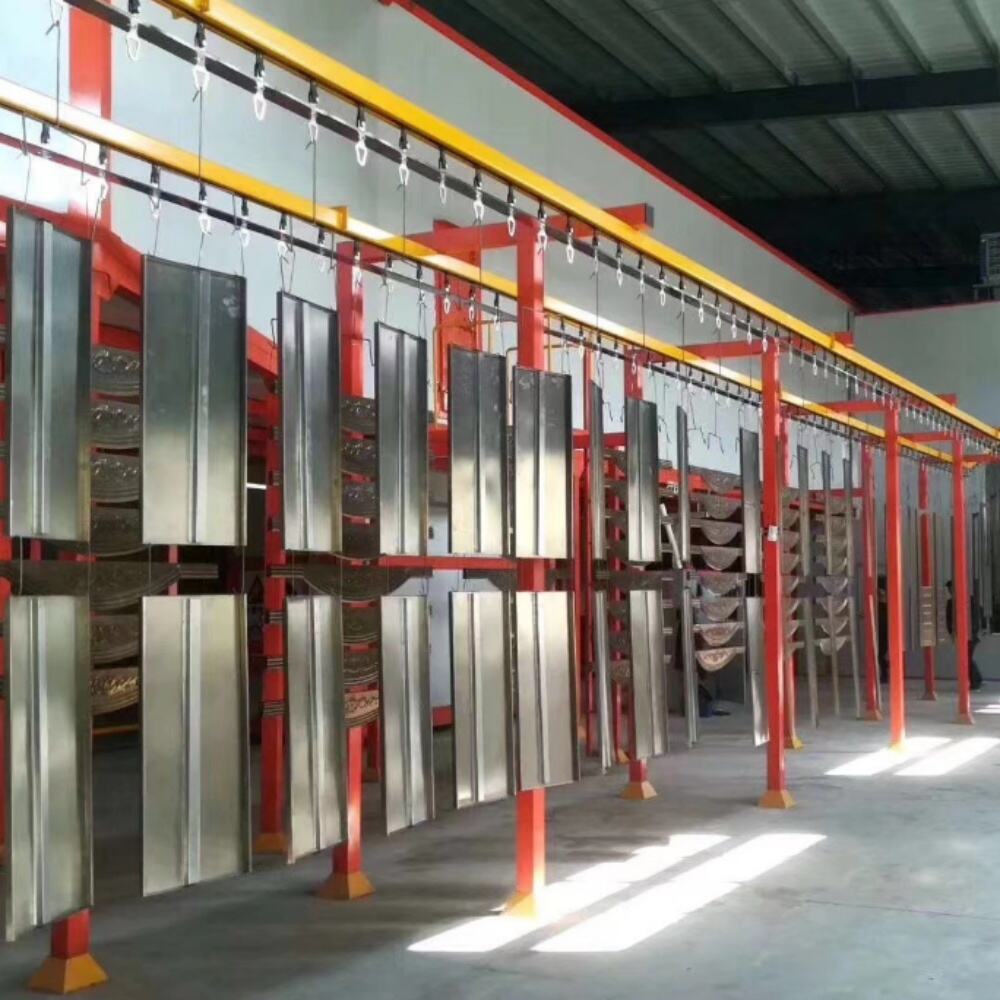
Automotive and Transportation: High-Volume, High-Durability Applications
The automotive manufacturing sector is seeing big changes thanks to powder coating production lines. These systems provide tough, high quality finishes that actually stand up to what the industry demands. Components hidden under car hoods get real benefits from this technology. They can handle heat way beyond 200 degrees Celsius and resist oil, chemicals and vibrations better than traditional methods. This means fewer warranty issues for manufacturers, with reports showing around a 40% reduction in claims based on the latest Heavy Duty Coatings data from 2024. The rise of electric vehicles is driving even more demand for these protective coatings. BloombergNEF put EV production at 26 million units per year back in 2023, and with that comes increased need for coatings that protect battery casings against corrosion over time, especially in areas where collisions are likely to happen.
Most top OEMs have switched to automated powder coating systems because they emit almost no VOCs and can utilize materials at rates between 97% and 99%. These production lines handle quick changeovers taking less than two minutes, which fits well with just-in-time manufacturing practices. At the same time, they keep film thickness pretty consistent throughout complicated parts, with variations staying below 10 microns. What this means for manufacturers is structural components that come with warranty coverage against corrosion for over two decades, even when exposed to salty air or constantly damp conditions like those found near coastal areas or industrial zones.
Why Powder Coating Dominates Under-the-Hood and Structural Component Finishing
Powder coating works so well on engine blocks, suspension parts, and exhaust components because it combines strong chemical bonds with good mechanical strength while meeting environmental standards. Regular liquid paints tend to break down when exposed to constant high temperatures, but thermoset powders hold up much better during those hot cycles engines experience day after day. What really stands out is how these powders can get into all those tricky spots like threads and corners without creating messy puddles. This means fewer touch-ups needed after curing, which translates to higher production yields and ultimately saves money over time as parts last longer in service.
How Electric Vehicle Growth Is Accelerating Demand for Protective Battery Enclosures
Battery enclosures have to deal with some pretty harsh stuff out there. Think about all that road grime bouncing around and water getting into places it shouldn't. That's why keeping those protective coatings intact really matters for both safety and how long these components last. Powder coatings work well because they create this smooth, continuous layer that blocks out moisture and prevents problems when different metals come into contact. The automotive industry knows this stuff needs to last forever basically since electric vehicles are built to run for over 15 years. So manufacturers put these coatings through their paces with tests like salt spray (ASTM B117) and cyclic corrosion (SAE J2334). Most products actually hold up way beyond the 1,000 hour mark without showing any signs of breaking down.
Case Study: Major OEMs Transitioning From Liquid Paint to Automated Powder Coating Production Lines
A number of top tier suppliers are now running their chassis and frame coating operations using powder systems instead of liquid ones because they want to cut down on environmental risks and boost production speed. Take one major car manufacturer in North America for example they saw their energy costs drop by around 35% on the finishing line plus got rid of half their rejected products once they started using robots to apply powder coatings along with real time monitoring during curing. Plus there was another benefit too the old solvent recovery equipment could finally be removed which opened up valuable factory floor space that's now being used for actual assembly work that adds real value to the final product.
Strategy: Scaling Powder Coating Production Lines for Just-in-Time Automotive Manufacturing
Modern powder coating operations are aligning themselves with lean manufacturing principles these days. They incorporate things like modular conveyor systems, smart scheduling powered by artificial intelligence, and those real time quality checks that keep everything running smoothly. The inline film thickness meters work alongside automatic color changing equipment so factories can switch between different product models without much wasted time. When coating processes get synced up properly with what's happening earlier in the fabrication line, production stays steady through all those model changes. This setup allows facilities to handle monthly outputs ranging from around 500 pieces right up to batches of 50 thousand units depending on demand fluctuations.
Key Advantage: Corrosion Resistance and Longevity in Harsh Operating Environments
Powder-coated steel and aluminum substrates outperform painted alternatives in ASTM G85 and ISO 11997 corrosion tests, showing no blistering or delamination after 1,500 hours of salt fog exposure. This resilience extends vehicle lifespan, especially in regions using de-icing salts, and supports extended warranties that enhance brand trust and customer retention.
Appliances and Consumer Electronics: Durable, Eco-Friendly Surface Finishes
Meeting consumer demand for scratch-resistant, sustainable coatings in home appliances
Modern shoppers want their appliances to last forever while being kind to the planet. Powder coating delivers exactly that with finishes that resist scratches about 3 to 5 times better than regular paint according to a recent industry report from Surface Tech in 2023. Plus there's no messy liquid waste involved in the process. Recent market research indicates around two thirds of people shopping for big appliances now check if they're made with environmentally friendly materials. This growing awareness has pushed manufacturers to adopt powder coating technology for everything from fridges and washing machines down to stovetops.
Powder coating vs. traditional painting: Lower VOC emissions and superior heat resistance
Powder coating produces between 92 and 97 percent fewer VOC emissions compared to traditional solvent based coatings, which means it complies with EPA air standards and supports factory sustainability targets. These thermoset powders can handle pretty high temps around 200 degrees Celsius before breaking down, so they work great for things like oven interiors, dishwasher components, and cooking utensils where durability matters. What makes this technology even better is the advanced infrared curing process. This lets manufacturers apply the coating directly onto materials that would normally warp under heat, opening up all sorts of new possibilities for product design that weren't available before.
Case Study: Leading brands adopting powder-coated finishes for power tools and outdoor electronics
The big names in power tools are seeing around 40% fewer problems in the field since they started using powder coated housings. These coatings hold up much better against drops, sunlight damage, and dirt accumulation over time. Security camera makers have also made progress, getting their products certified for IP68 standards thanks to special UV resistant polyester powders. This means their cameras last about 30% longer before needing replacement. What makes all this possible? Manufacturers have worked out better processes for applying these coatings evenly across complicated plastic enclosures during production. The result is equipment that stands up to real world conditions far better than older models did.
Trend: Overcoming thermal and miniaturization challenges in electronic enclosures
As devices become smaller and more densely packed, new low-temperature cure powders (120–140°C) prevent damage to internal components during curing. Electrostatic fluidized bed techniques now effectively coat enclosures as thin as 0.8mm, preserving tight tolerances while maintaining EMI/RFI shielding properties essential for routers, smart sensors, and IoT devices.
Strategy: Optimizing powder coating production lines for small-batch, high-mix consumer products
Modular conveyor systems with rapid color-swap capabilities make powder coating economically viable for limited-edition runs of 500–1,000 units. Vision-guided robots apply coatings with 99.5% first-pass yield on intricate geometries like blender bases and gaming console chassis, minimizing rework and maximizing uptime in dynamic production environments.
Construction and Architectural Fabrication: Long-Term Weather Resistance
Superior UV stability and weathering performance of powder-coated aluminum profiles
Aluminum coated with powder paint holds up remarkably well against fading, chalking, and losing its shine for many decades. These coatings have passed accelerated UV tests lasting over 25,000 hours while showing very little change in color. What makes this possible? A special cross linked polymer forms a chemical bond with the surface after pretreatment, which creates an impressive shield against water damage, dirt buildup, and corrosive salt air. This matters a lot in places near the coast or industrial areas where regular paint tends to deteriorate completely within just 5 to 7 years of exposure.
Case Study: Commercial building facades using powder-coated metal components
The One Harbor Tower in Boston utilized powder-coated aluminum panels to withstand Nor’easter storms and annual freeze-thaw cycles. After eight years of service, post-installation inspections revealed 98% coating integrity retention, significantly outperforming liquid-painted steel counterparts, which showed only 72% retention in comparable conditions.
Green building certifications driving adoption of low-emission coating technologies
Both LEED v4.1 and BREEAM give points when builders use powder coating because there are no solvents involved and almost all (about 99%) of the coating sticks to surfaces during application. More architects these days are choosing this option especially for hospitals and schools where they need to meet the tough material safety rules set by the WELL Building Standard. This helps keep indoor air cleaner not just when buildings first open but also over many years of operation. The health benefits make powder coating a smart choice for spaces where people spend long hours indoors.
Strategy: Scaling powder coating production lines for large architectural projects
High-throughput systems process 15-meter aluminum extrusions at rates of 12–18 units per hour using continuous conveyor lines with integrated infrared curing and automated inspection. This approach reduces lead times by 40% compared to batch methods while maintaining μm thickness consistency—essential for visual uniformity across expansive facade installations.
Industrial Equipment and Furniture: Combining Functionality with Aesthetic Flexibility
The durability and design options offered by powder coating production lines are really hard to beat when it comes to industrial equipment and commercial furniture. A recent study from 2023 looked at material efficiency and found something interesting: surfaces coated with powder tend to last anywhere from three to five times longer compared to regular liquid paint on big machines. That means companies need to repaint their equipment about 40% less often, which cuts down on both time and money. Plus there's barely any waste generated either – we're talking under 2% most of the time. All these factors work together to slash maintenance expenses while keeping assets functional for much longer periods.
Economic and Environmental Benefits of Powder Coating for Heavy-Duty Industrial Parts
Manufacturers experience 40–60% faster cycle times versus wet painting, with zero VOC emissions compliant with ISO 14001 standards. Recent data shows 78% of mining equipment suppliers now use powder coatings on crusher jaws, drill rigs, and conveyor frames due to their superior abrasion resistance and impact toughness in harsh operating environments.
Debunking the Myth: Powder Coating Complex Machined Parts Effectively
Modern electrostatic spray systems achieve 0.2mm consistent film build on gears, hydraulic valves, and welded assemblies—improving coverage accuracy by 30% over older methods. Robotic arms with 360° ion-charged particle delivery eliminate shadowing on deep recesses and internal cavities, while automated lines handle 15-ton fabrications with ±0.05mm thickness tolerance.
Furniture Applications: Chip-Resistant, Customizable Finishes
The number of complaints about chipping has dropped nearly 90% among commercial outdoor furniture manufacturers after they switched to powder-coated steel frames. Designers now work with around 200 different RAL color options plus various textures, allowing them to create custom looks while still getting solid performance from their products. Some recent testing showed that these textured coatings actually make office chairs and tables much safer to handle too. Grip strength improves about half again compared to regular smooth finishes, which matters a lot when people are moving things around all day long.
Trend: Textured Finishes Enhancing Metal Furniture Design
Innovative embossing rollers and UV-cured matte topcoats now replicate woodgrain, leather, and stone textures with 98% visual fidelity while maintaining 5H pencil hardness. This capability allows premium contract furniture brands to command higher margins, with some doubling profitability on designer product lines.
Strategy: Mixed Batch Processing Optimization
RFID-tagged carriers and zoned curing ovens allow simultaneous processing of large industrial brackets and delicate furniture pieces on the same line. This mixed-batch capability boosts equipment utilization to 85%, slashes changeover time by 70%, and enables agile response to fluctuating order volumes.
Future-Proofing Manufacturing: ROI and Automation in Powder Coating Production Lines
Calculating Return on Investment for Industrial Powder Coating Systems
Most companies see around a 30 percent drop in their day to day expenses about 18 months after switching over to automated powder coating systems according to market research published in 2025 for North American markets. The money saved comes mostly from way less wasted materials. When comparing traditional liquid painting methods that lose between 40 and 60 percent of what gets sprayed, the powder system only wastes about 5 to 8 percent. Plus these systems generally need less power when curing parts. And there's another benefit too. These modern systems come with smart features that predict when equipment might fail before it actually breaks down. This kind of foresight cuts unexpected stoppages by roughly two thirds which means workers spend more time actually producing goods instead of waiting for repairs.
IoT-Enabled Curing Ovens and Smart Monitoring Improving Process Efficiency
Thermal sensors paired with machine learning dynamically adjust oven setpoints within ±2°C based on part mass and coating thickness, resulting in 18% energy savings. Real-time monitoring ensures 99.3% batch-to-batch uniformity, meeting the micron-level precision required in aerospace and medical device manufacturing.
How Automation Ensures Consistency and Scalability Across Industries
Vision-guided robotic applicators reduce human error by 92% on complex parts, from surgical instrument trays to structural beams. Fully automated lines scale seamlessly from 500 to 50,000 units monthly, with self-cleaning nozzles and AI-optimized sequencing cutting color changeover time to just 8 minutes—enabling responsive, high-mix production across automotive, appliance, and construction sectors.
FAQ
What is powder coating?
Powder coating is a finishing process where a dry powder is applied to a surface and then cured under heat to form a durable, protective layer.
Why is powder coating preferred for automotive applications?
Powder coating provides high durability, chemical resistance, and can withstand extreme temperatures, making it ideal for automotive applications where components face tough conditions.
How does powder coating benefit the environment?
Powder coating emits minimal VOCs compared to traditional liquid paints, aligning with sustainability goals and environmental regulations.
Is powder coating suitable for consumer electronics?
Yes, powder coating is used in consumer electronics for durable finishes and performance, helping to meet demands for scratch-resistant and eco-friendly products.
What advantages does powder coating offer for construction projects?
Powder coating offers superior UV stability and weather resistance, making it ideal for construction projects where longevity and environmental impact are concerns.
Can powder coating be used on furniture?
Absolutely, powder coating is used on furniture for its chip-resistant and customizable finishes, enhancing aesthetics and durability.
Table of Contents
-
Automotive and Transportation: High-Volume, High-Durability Applications
- Why Powder Coating Dominates Under-the-Hood and Structural Component Finishing
- How Electric Vehicle Growth Is Accelerating Demand for Protective Battery Enclosures
- Case Study: Major OEMs Transitioning From Liquid Paint to Automated Powder Coating Production Lines
- Strategy: Scaling Powder Coating Production Lines for Just-in-Time Automotive Manufacturing
- Key Advantage: Corrosion Resistance and Longevity in Harsh Operating Environments
-
Appliances and Consumer Electronics: Durable, Eco-Friendly Surface Finishes
- Meeting consumer demand for scratch-resistant, sustainable coatings in home appliances
- Powder coating vs. traditional painting: Lower VOC emissions and superior heat resistance
- Case Study: Leading brands adopting powder-coated finishes for power tools and outdoor electronics
- Trend: Overcoming thermal and miniaturization challenges in electronic enclosures
- Strategy: Optimizing powder coating production lines for small-batch, high-mix consumer products
-
Construction and Architectural Fabrication: Long-Term Weather Resistance
- Superior UV stability and weathering performance of powder-coated aluminum profiles
- Case Study: Commercial building facades using powder-coated metal components
- Green building certifications driving adoption of low-emission coating technologies
- Strategy: Scaling powder coating production lines for large architectural projects
-
Industrial Equipment and Furniture: Combining Functionality with Aesthetic Flexibility
- Economic and Environmental Benefits of Powder Coating for Heavy-Duty Industrial Parts
- Debunking the Myth: Powder Coating Complex Machined Parts Effectively
- Furniture Applications: Chip-Resistant, Customizable Finishes
- Trend: Textured Finishes Enhancing Metal Furniture Design
- Strategy: Mixed Batch Processing Optimization
- Future-Proofing Manufacturing: ROI and Automation in Powder Coating Production Lines
- FAQ