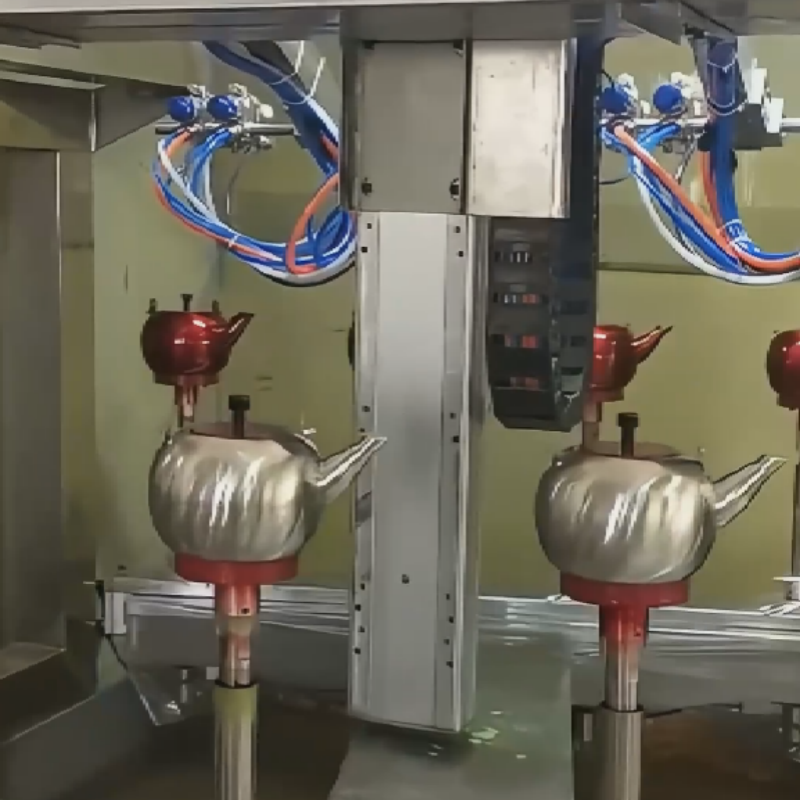
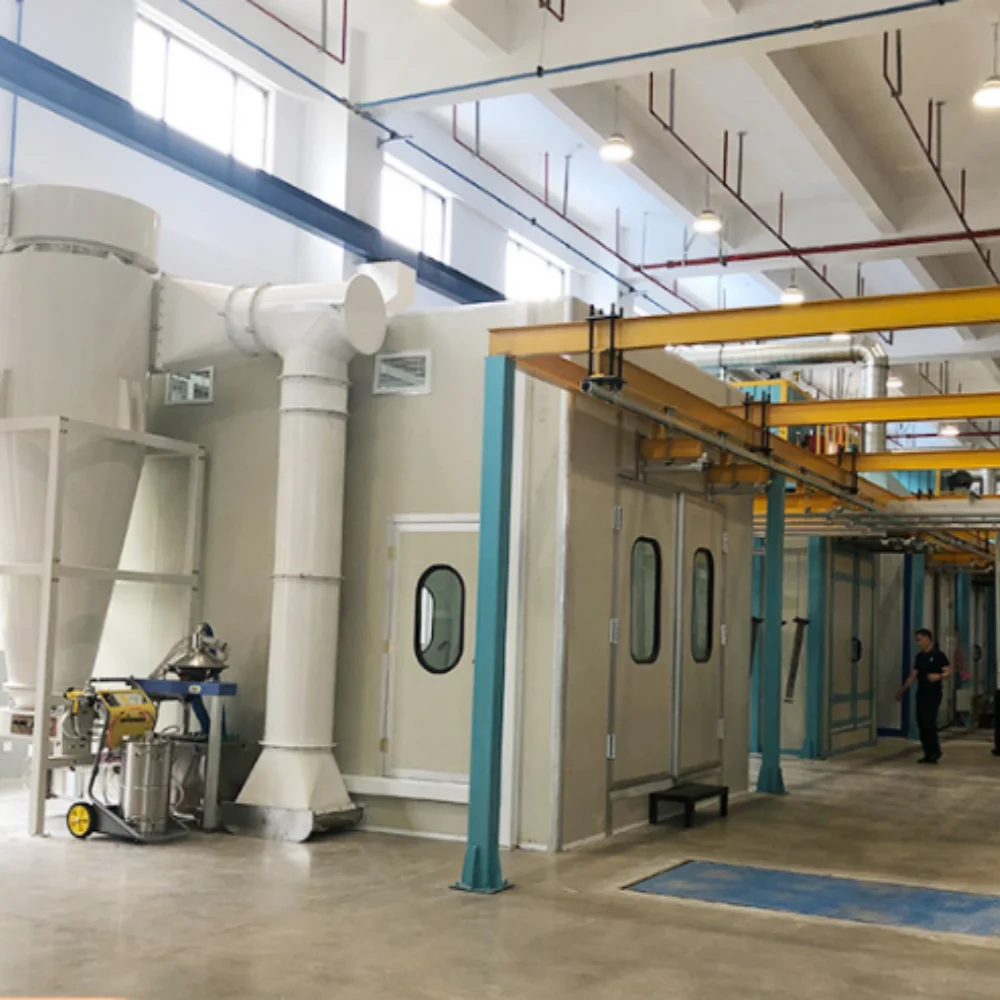
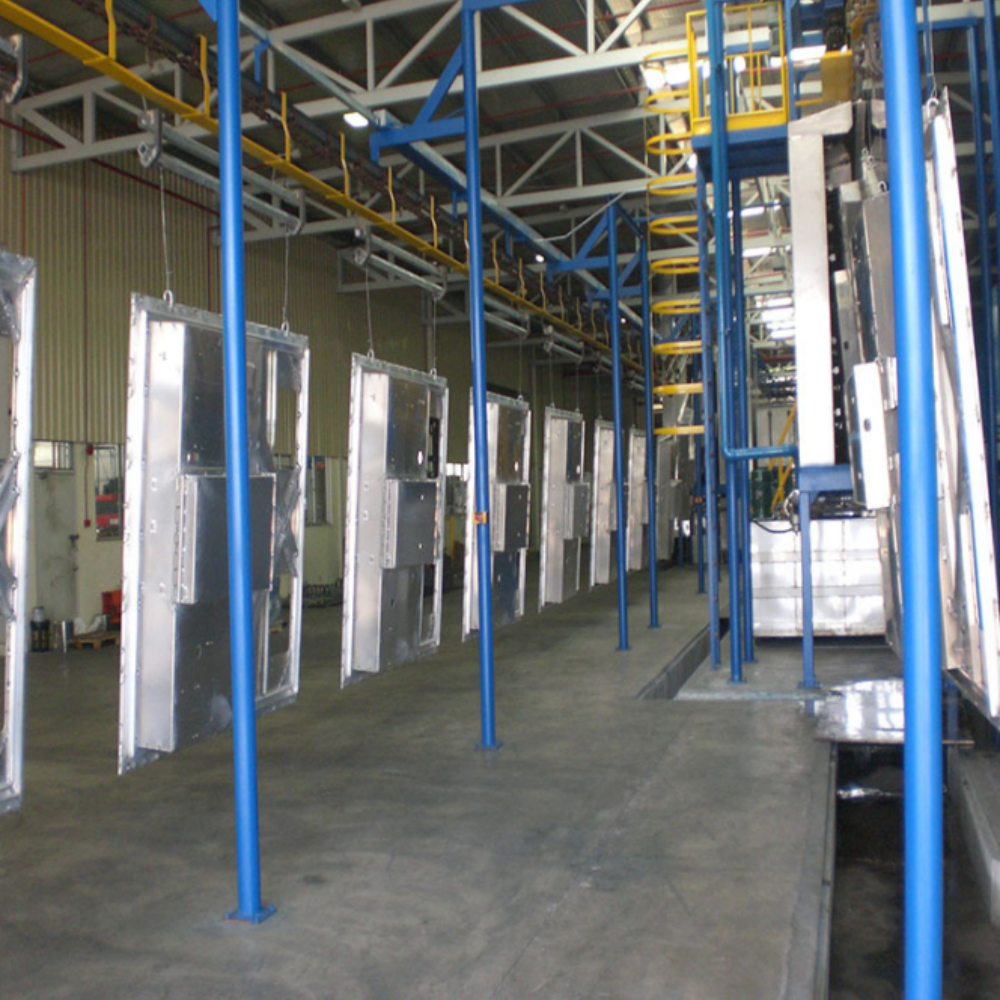
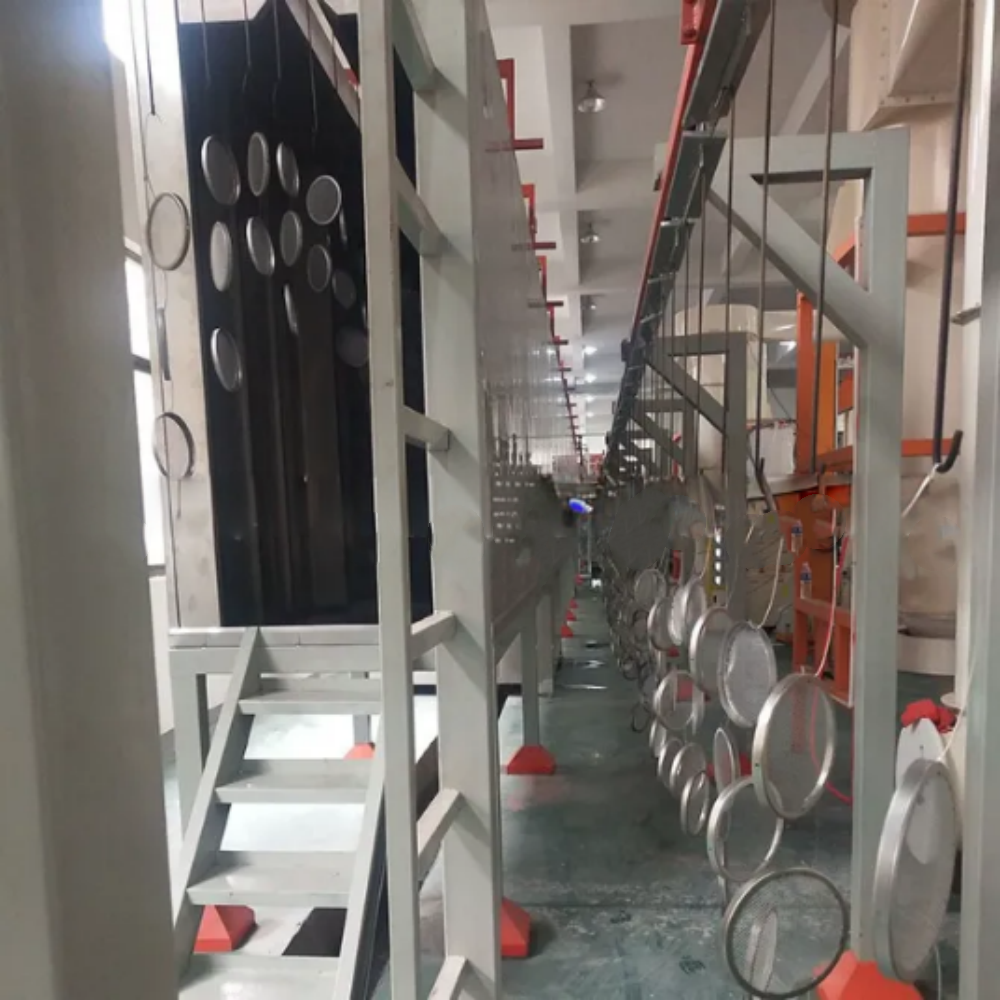
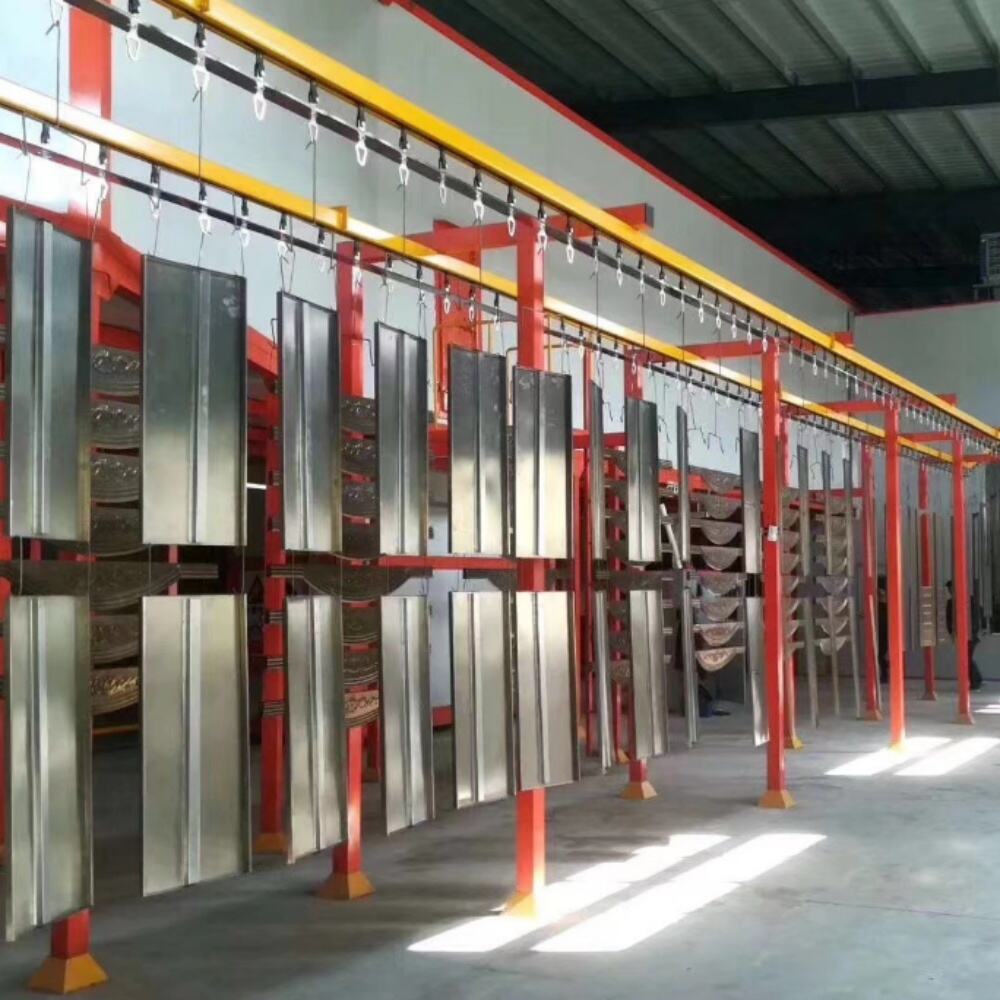
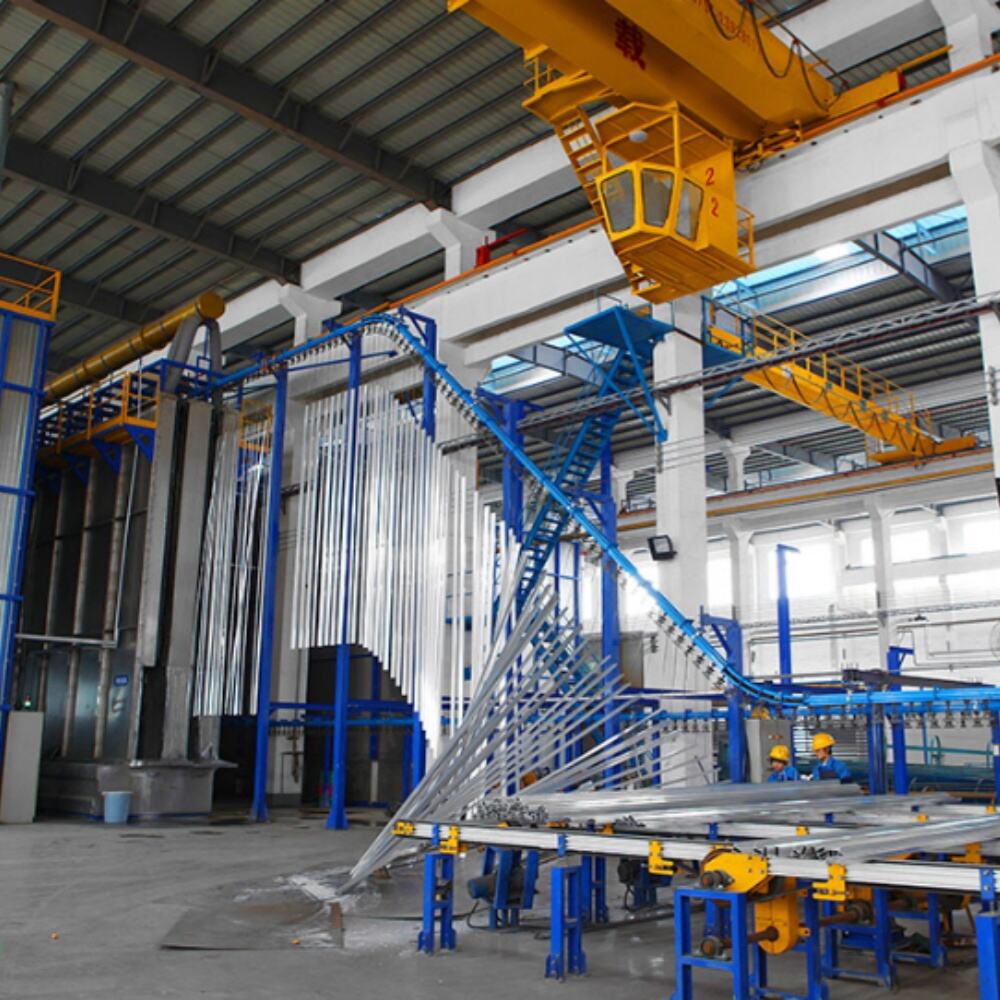
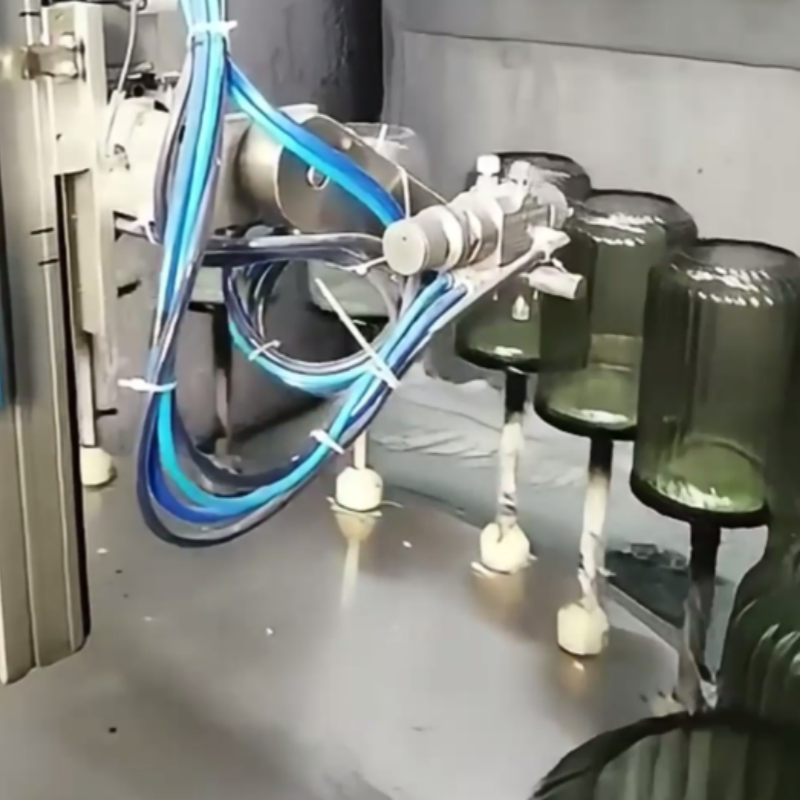
The technological sophistication of an automatic painting machine lies in its ability to adapt and optimize the coating process for a diverse product mix. Beyond simple repetition, advanced systems feature machine vision and product identification capabilities. A camera system can identify a part's model or orientation on the conveyor, automatically calling up the corresponding painting program from the PLC's library. This allows a single machine to paint different products in a random sequence without manual intervention, making it ideal for flexible manufacturing cells. Furthermore, closed-loop control systems continuously adjust coating parameters based on real-time feedback, ensuring consistent film build even with variations in material viscosity or ambient conditions. The scope of application is vast. In the automotive supply chain, for example, automatic machines are not just for car bodies. They are used to paint everything from alloy wheels and interior trim panels to engine components and suspension parts. Each of these requires a different spraying strategy—a wheel might need a high-gloss finish, while an engine component requires a heat-resistant coating. The machine can be programmed with hundreds of such recipes. Similarly, in the toy industry, where product safety is paramount, these machines apply certified, non-toxic coatings with absolute consistency, ensuring every batch meets international standards like EN71 or ASTM F963. The integration with conveying systems is a critical design aspect. Whether it's an overhead power-and-free chain system for heavy automotive frames or a gentle belt conveyor for delicate plastic parts, the painting machine's movements are perfectly synchronized with the conveyor's speed. In a powder coating line, this synchronization is vital. The automatic machine applies an electrostatically charged powder to a grounded part. Any inconsistency in the conveyor speed or robot movement can lead to variations in coating thickness. Modern systems use encoder feedback from the conveyor to dynamically adjust the robot's path, guaranteeing uniform coverage. For businesses involved in coating glass and ceramics, specialized automatic machines are available that can handle the delicate nature of these substrates and the specific requirements of ceramic glazes or glass paints. If your production involves unique materials, complex part geometries, or requires a specific certified finish, our team can design a solution to meet these challenges. We offer a wide range of technologies and configurations. For precise pricing and to determine the best system for your needs, please contact us directly. Our experts are prepared to guide you through the selection process.