
 EN
EN
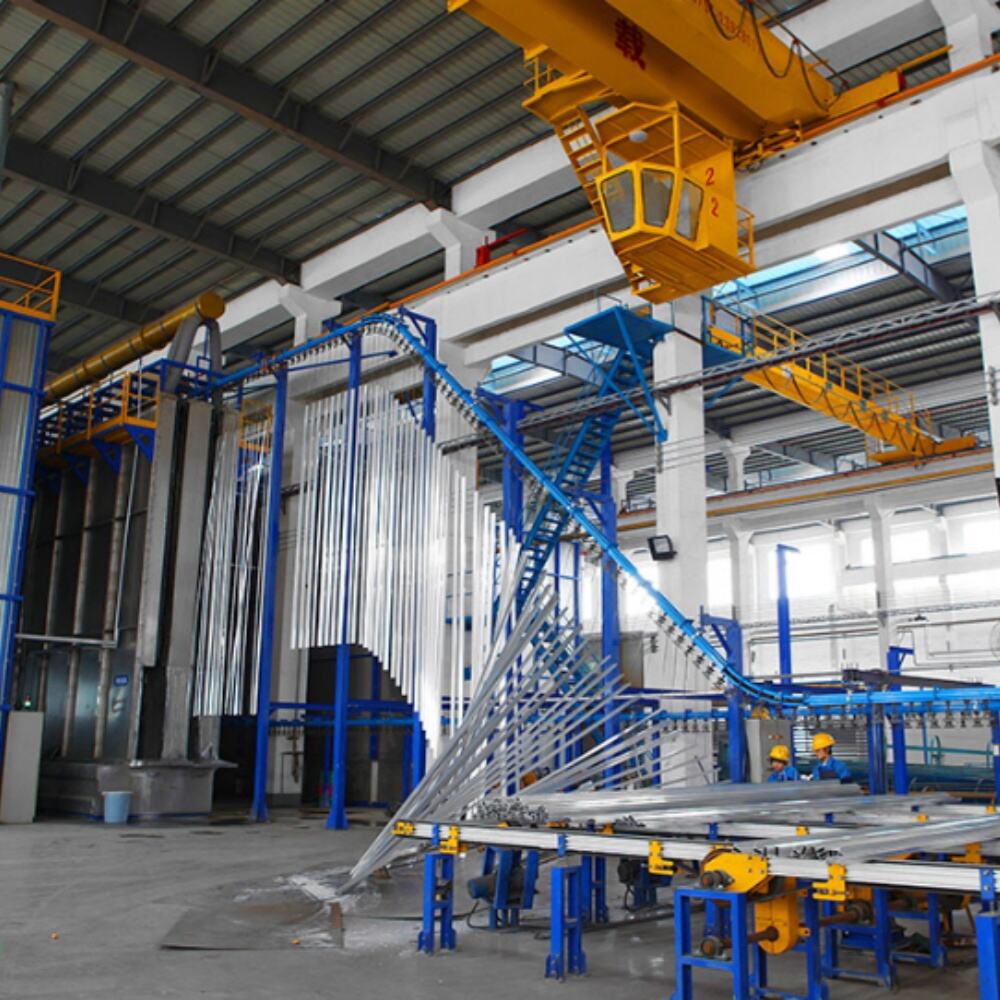
The Foundational Role of Pretreatment in Surface Readiness
Understanding the importance of powder coating pretreatment system for adhesion and corrosion protection
Getting the right pretreatment system before applying powder coating makes all the difference when it comes to how well the coating sticks to metal surfaces at a molecular level. Studies from NACE International back this up showing pretreated surfaces stick about 70% better than those without treatment, which really helps fight off corrosion problems. These systems clean away stuff we can't see like leftover oils and tiny bits of rust that would otherwise ruin coatings over time. The latest Surface Preparation Report for 2024 tells us that good pretreatment actually adds 3 to 5 extra years of protection in factories and plants because it creates stronger chemical bonds and better barriers against environmental damage. Most shop owners know this already but still skip proper prep, only to deal with costly rework later on.
Surface preparation before powder coating: Removing oil, rust, dirt, and other contaminants
Effective surface preparation involves multi-stage cleaning. Alkaline cleaners break down industrial oils, while abrasive blasting removes mill scale and rust. Residual contamination as thin as 2–3 microns can create microvoids during curing, undermining coating integrity. For aluminum alloys, acid etching is necessary to strip oxidation layers that inhibit adhesion.
How inadequate pretreatment causes defects like orange peel, fisheyes, bubbles, and blisters
When people skip those important pretreatment steps, they end up with problems that affect both how things look and how well they hold together. Fisheye defects happen because leftover silicones on surfaces push away coatings, creating those annoying little craters we all hate seeing. If someone doesn't rinse properly after cleaning, there's always some soap residue left behind, and these tiny bits create bubbles when the material goes through heat treatment later on. According to a report from last year, around 4 out of every 10 warranty issues actually come down to bad pretreatment practices. Orange peel texture is probably the biggest complaint here since it forms when the base material isn't smooth enough for the coating to adhere properly across its entire surface.
Maximizing Adhesion Through Effective Metal Surface Preparation
Proper surface preparation is fundamental to durable powder coating adhesion. Without thorough cleaning and chemical treatment, even high-performance coatings cannot bond effectively to metal substrates.
Surface Preparation for Powder Coating Adhesion: Achieving Molecular-Level Bonding
Removing oils, oxides, and micro-contaminants increases surface energy by 40–60%, enabling electrostatic powder particles to form covalent bonds during curing. This shift from mechanical to chemical adhesion allows properly pretreated surfaces to achieve 98% coating retention under ASTM D3359 crosshatch tests.
The Science Behind Adhesion of Powder Coating to Metal Surfaces After Cleaning and Chemical Treatment
Surface roughness (measured in microns) and chemical activation work together to enhance bonding. Abrasive blasting creates a 1.5–4.0 µm anchor profile for mechanical adhesion, while zinc phosphate conversion coatings improve corrosion resistance. Studies confirm that combining these methods boosts adhesion strength by 70% compared to untreated surfaces.
Case Study: Improved Adhesion Performance Using Zinc Phosphate Conversion Coatings
A 2023 trial on automotive components revealed:
- 32% reduction in coating delamination after 1,000 hours of salt spray testing
- 19% increase in scratch resistance (ISO 1518 standard)
- 84% lower surface porosity compared to non-phosphated samples
Dry vs. Wet Blasting Methods: Evaluating Effectiveness in Promoting Adhesion
| Factor | Dry Blasting | Wet Blasting |
|---|---|---|
| Surface Profile | 2.5–5.0 µm | 1.8–3.2 µm |
| Dust Control | Requires containment | Water suppresses dust |
| Metal Substrate | Carbon steel, cast iron | Aluminum, galvanized steel |
| Adhesion Strength | 9.2 MPa | 8.7 MPa |
Surface preparation experts recommend dry blasting for heavy-duty industrial applications and wet blasting for sensitive alloys requiring finer textures. Both methods surpass manual grinding in delivering uniform profiles crucial for consistent powder application.
Corrosion Prevention and Long-Term Durability Through Pretreatment
Rust and Corrosion Prevention in Powder Coating via Systematic Contaminant Removal
A robust powder coating pretreatment system eliminates oils, rust, and other contaminants that compromise coating integrity. Residual substances trap moisture, accelerating electrochemical reactions that lead to rust. Zinc phosphate conversion coatings bond molecularly to steel, forming a protective barrier against environmental exposure.
Applying Phosphate and Conversion Coatings (e.g., Zinc Phosphate) for Enhanced Protection
Phosphate layers chemically modify metal surfaces, improving adhesion while creating corrosion-resistant crystalline structures. Pretreated components show 70% lower corrosion rates over five years compared to untreated ones (NACE International, 2022).
Data Insight: Pretreated Parts Show 70% Lower Corrosion Rates Over 5 Years (NACE International, 2022)
| Surface Condition | Corrosion Rate (%) | Maintenance Costs ($) |
|---|---|---|
| Untreated Metal | 100% | 38,500 |
| Pretreated Metal | 30% | 9,200 |
Balancing Cost: High Upfront Investment vs. Long-Term Savings From Reduced Coating Failures
Although pretreatment requires initial investment in equipment and chemicals, it reduces recoating labor by 60% and warranty claims by 45% (Ponemon 2023). Facilities that prioritize pretreatment save an average of $740,000 annually in corrosion-related repairs.
Key Takeaway: A systematic pretreatment process enhances durability, reduces lifecycle costs, and minimizes environmental waste caused by premature coating degradation.
Key Stages of the Powder Coating Pretreatment Process
Overview of Pretreatment Steps: Cleaning, Chemical Application, Rinsing, Sealing, and Drying
The best powder coating prep systems typically work through five main steps to get metal surfaces ready for proper coating adhesion. First comes either an alkaline or acidic wash solution around pH 9 to 12 that strips away grease and dirt particles from the surface. Next step is applying conversion coatings like zinc phosphate which actually forms bonds at the molecular level with the metal substrate. After that there are three rinse cycles using either reverse osmosis treated water or deionized water to wash off all remaining chemicals properly. Then comes the sealing process where manufacturers apply either nano ceramic coatings or chromium free alternatives to create a moisture barrier. Finally, air knives blast hot air at temperatures between 180 and 200 degrees Fahrenheit to dry everything thoroughly, keeping humidity levels under 0.5% so the powder will stick correctly. Most industry standards stress completing all these steps because skipping even one can lead to serious problems later on the line. Studies show coatings applied after incomplete pretreatment have anywhere from 50% to 70% higher chances of peeling off over time.
Cleaning and Rinsing: Eliminating Residues That Compromise Coating Integrity
Initial cleaning uses chemical baths (30–60 seconds immersion) combined with mechanical agitation to remove over 95% of contaminants, verified by water-break testing. Multi-stage rinsing at 30–50 PSI pressure flushes trapped salts and residues from complex geometries—especially important for engine brackets or electrical enclosures where residual ions can cause blistering.
Chemical Film Formation: How Iron or Zinc Phosphate Layers Enhance Durability
Once cleaned, metal parts get dipped into phosphate baths around 140 to 160 degrees Fahrenheit. These baths create those crystal formations about 2 to 10 microns thick on the surface, which actually helps improve how well things stick together mechanically. When it comes to protection, zinc phosphate coatings last much longer than regular steel would without any treatment. Tests show they only wear away at about 0.1 mil per year compared to untreated steel that corrodes at roughly 5 mil annually according to ASTM B117 standards. This means the coating acts like a shield, sacrificing itself before the actual metal starts to rust away.
Sealing and Drying: Final Barriers Against Environmental Exposure Before Curing
Chromium-free sealants fill microscopic pores in phosphate layers, reducing oxidation sites by 80%. Convection drying at 200–225°F achieves less than 1% relative humidity; levels exceeding 3% RH can cause powder clumping and uneven film formation due to disrupted electrostatic attraction during application.
FAQs
What is the main purpose of powder coating pretreatment?
The main purpose of powder coating pretreatment is to prepare metal surfaces by cleaning them of oils, rust, dirt, and other contaminants, enhancing adhesion, and providing corrosion protection.
Why is surface preparation important before powder coating?
Surface preparation is critical for ensuring the coating's adhesion to metal surfaces and preventing defects such as orange peel, fisheyes, and blisters, which compromise both appearance and durability.
What are zinc phosphate conversion coatings?
Zinc phosphate conversion coatings are chemical treatments applied to metal surfaces that enhance adhesion and offer corrosion resistance by forming a protective molecular layer.
How does pretreatment contribute to corrosion prevention?
Pretreatment processes eliminate contaminants that accelerate rusting and apply layers like zinc phosphate to create barriers against environmental exposure, significantly reducing corrosion rates.
What are the cost benefits of pretreatment?
Though pretreatment involves initial costs, it reduces recoating labor and warranty claims, resulting in long-term savings and enhanced durability for treated components.
Table of Contents
- The Foundational Role of Pretreatment in Surface Readiness
-
Maximizing Adhesion Through Effective Metal Surface Preparation
- Surface Preparation for Powder Coating Adhesion: Achieving Molecular-Level Bonding
- The Science Behind Adhesion of Powder Coating to Metal Surfaces After Cleaning and Chemical Treatment
- Case Study: Improved Adhesion Performance Using Zinc Phosphate Conversion Coatings
- Dry vs. Wet Blasting Methods: Evaluating Effectiveness in Promoting Adhesion
-
Corrosion Prevention and Long-Term Durability Through Pretreatment
- Rust and Corrosion Prevention in Powder Coating via Systematic Contaminant Removal
- Applying Phosphate and Conversion Coatings (e.g., Zinc Phosphate) for Enhanced Protection
- Data Insight: Pretreated Parts Show 70% Lower Corrosion Rates Over 5 Years (NACE International, 2022)
- Balancing Cost: High Upfront Investment vs. Long-Term Savings From Reduced Coating Failures
- Key Stages of the Powder Coating Pretreatment Process
- FAQs