
 EN
EN
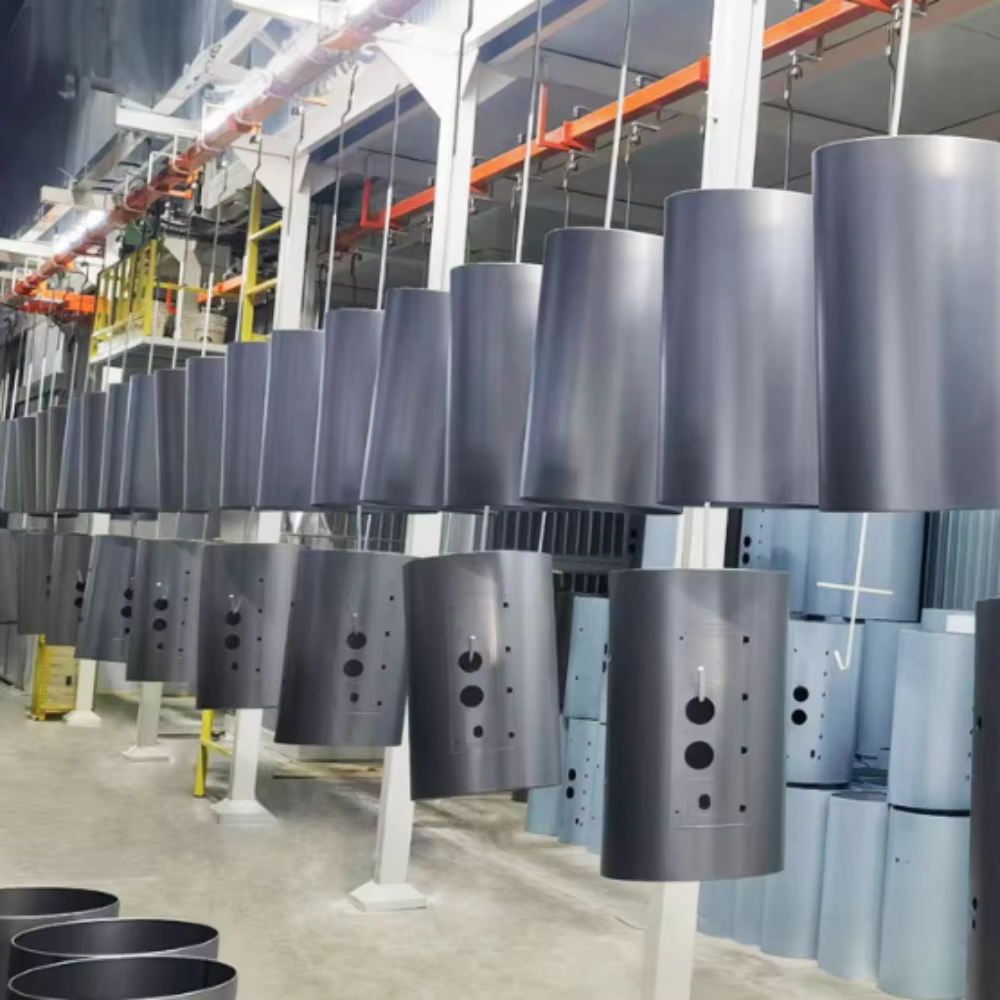
Automotive Industry: High-Volume Precision and ROI with Automated Powder Coating Production Lines
Corrosion Resistance and Lightweighting Demands in EV and ICE Components
Car makers are turning more and more to powder coating production lines these days because they need better protection against rust and want cars to weigh less overall. Electric vehicles especially need lightweight stuff since every extra pound eats into how far they can go on a single charge. That's why powder coated aluminum parts and those fancy new alloys have become so popular among EV builders. When it comes to regular gas powered engines, powder coatings still work wonders too. They stand up much better against fuel spills, oil leaks, and all sorts of temperature changes that normal paint just can't handle. Components treated this way last about twice as long as ones with old school coatings, maybe even three times longer depending on conditions. And best part? The added weight is almost nothing, which makes a big difference for getting better mileage out of both electric and traditional vehicles alike.
Automation Gains: 35% Faster Cycle Times vs. Liquid Lines (SME 2023 Benchmark)
The numbers tell the story pretty clearly when it comes to automated powder coating production lines versus traditional liquid systems. According to the latest data from SME's 2023 industry benchmark, these automated setups run about 35% faster overall. What makes this technology so appealing is how robotic applicators handle those tricky shapes - think engine blocks or EV battery casings. These machines apply coating with amazing precision while generating almost no overspray at all. This means factories waste roughly half as much material compared to older methods and end up with consistently good film thickness across every part. Labor costs drop dramatically too, around 60% less manpower needed for the same output. And this translates directly into quicker returns on investment for plants running at scale. Take one major automotive component manufacturer who saw their entire investment pay back in just 14 months after switching over to automation for their powder coating operations.
Architectural and Construction Metal Fabrication: Long-Term Durability via High-Performance Powder Coating Production Lines
Shift from Wet Paint to Powder Coating for Facades and Structural Steel
Metal fabricators working on architectural projects have been moving away from traditional wet paint methods toward powder coating for important steel and aluminum parts lately. The reason? These components need to stand up to tough conditions when installed on bridges, curtain walls, or structural frameworks that face all kinds of weather. Powder coating doesn't release those harmful VOCs that liquid paints do, which makes it compatible with green building standards such as LEED certification. Fabrication shops tell us they waste about 40 percent less material than before when using powder instead of conventional paint jobs, plus they get consistent coverage even on tricky shapes like I-beams and intricate screen designs. For buildings near the coast, there's another big advantage too. Special polyester-epoxy blends handle salt air much better, so we don't see the early rust problems that often plague structures coated with solvent-based products.
AAMA 2604 Compliance: UV-Stabilized Polyester Powders Delivering 20+ Years of Exterior Performance
Complying with AAMA 2604 standards makes all the difference when dealing with architectural powders that get constant sun exposure. The special UV inhibitors in polyester formulas really work wonders against those annoying issues like chalking and fading that plague many coatings after just a few years outside. Independent lab tests have actually shown that these coatings retain their shine remarkably well too, with less than 5% reduction in gloss even after going through those harsh 10 year Florida sun exposure tests. What gives these materials such lasting power? It comes down to some pretty sophisticated chemistry during production. Advanced polymerization techniques combined with carefully managed infrared curing processes create that extra layer of protection at the molecular level. This attention to detail keeps colors looking fresh according to RAL standards while maintaining those desired matte finishes below 15 gloss units. And let's not forget about temperature extremes either these coatings perform consistently whether it's freezing cold at -30 degrees Celsius or scorching hot around 80 degrees. Facility managers who've switched to compliant coatings often mention seeing maintenance expenses drop by roughly 60% compared to what they used to spend on regular coatings that needed frequent touch ups and replacements.
Appliances and Consumer Goods: Cost-Effective Flexibility with Modular Powder Coating Production Lines
OEM Adoption Trends: 68% of Major Brands Specify Powder Coated Metal Stampings (2024 Appliance Design Report)
The latest Appliance Design Report from 2024 shows something interesting: around two thirds of big appliance manufacturers are now going with powder coated metal parts instead of traditional options. Why? Well, powder coating just stands up better against rust and wear, which matters a lot for things like stoves and dishwashers that get hit with steam and heat all day long. Plus there's the green angle too. These coatings create really tough, colorful finishes that don't show fingerprints easily either. We're talking about fridge doors, oven exteriors, even those little countertop gadgets everyone loves. Best part? No harmful chemicals get released when applying them, so this fits right in with what companies need to meet worldwide eco standards. And let's face it, nobody wants to spend time cleaning their appliances every week because of flaking paint or weird stains.
Modular Automation Enables Rapid Changeovers Across High-Mix Appliance Housings and Panels
Modular powder coating production lines give manufacturers a lot of flexibility when dealing with different product ranges. The systems can switch between colors and textures in about 15 minutes or so, which is way quicker than what most traditional setups manage. This happens thanks to automatic conveyor changes and settings that control how things get cured. Such flexibility means factories can produce items on demand, whether they're making stainless steel range hoods or those bright colored kitchen gadgets everyone wants these days, all while keeping that important film thickness above 40 microns needed for durability. When companies set up their lines to be reconfigurable, they cut down on wasted materials during switches by around two thirds. Plus these setups handle odd shaped stuff too, think dishwasher racks or microwave interiors, so even small batches become worth doing without compromising on quality standards.
Industrial Equipment and Machinery: Consistent Quality and Reduced Total Cost of Ownership
Manufacturers working with heavy machinery and industrial gear find that setting up a powder coating production line brings real benefits for how reliably their operations run and what they spend over time. Think about all those components in agricultural machines, conveyor belts, and processing units that need coatings able to handle rust, wear down from constant contact, and resist chemicals without needing constant touch-ups. According to recent research from the Journal of Protective Coatings (2023), powder coated surfaces stand up to impacts about three to five times better than regular liquid paints. That means fewer unexpected breakdowns and repair bills piling up. The tough finish actually makes these machines last around 15 to maybe even 20 percent longer. Plus, there's something environmentally friendly going on here too since powder coating emits almost no VOCs and uses about 95% of the material applied. Modern automated systems keep the coating layer consistently thick (around one micron) even on complicated shapes like turbine casings and hydraulic frames, so we don't get those little flaws that can ruin performance later. All this adds up to cutting down overall costs by roughly 20 to 30% over three to five years because maintenance drops off, energy consumption goes down, and production lines stop getting held back so often.
FAQ
Why are automotive manufacturers opting for powder coating?
Automotive manufacturers choose powder coating for enhanced corrosion resistance and lightweight properties, crucial for both electric and traditional vehicles.
How do powder coatings enhance architectural structures?
Powder coatings provide long-term durability, reducing material waste and ensuring compliance with environmental standards like LEED.
What are the benefits of modular powder coating lines in appliance manufacturing?
Modular lines allow rapid changeovers, supporting high-mix production with consistent quality while reducing waste.
Why is powder coating beneficial for industrial equipment?
It offers consistent quality and reduces total cost of ownership by providing superior protection against rust and wear, while minimizing maintenance needs.
Table of Contents
- Automotive Industry: High-Volume Precision and ROI with Automated Powder Coating Production Lines
- Architectural and Construction Metal Fabrication: Long-Term Durability via High-Performance Powder Coating Production Lines
- Appliances and Consumer Goods: Cost-Effective Flexibility with Modular Powder Coating Production Lines
- Industrial Equipment and Machinery: Consistent Quality and Reduced Total Cost of Ownership
- FAQ