
 EN
EN
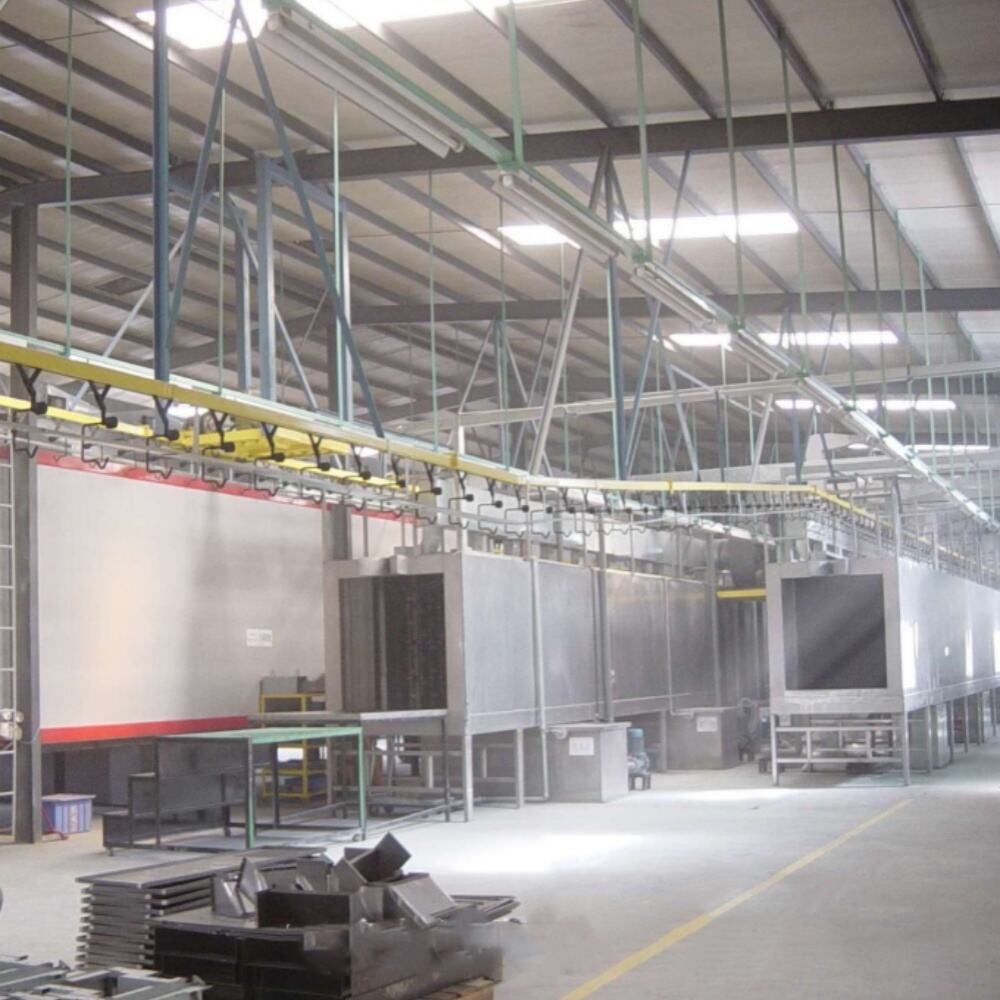
Understanding the Importance of Powder Coating Booth Maintenance
Why consistent maintenance ensures stable booth performance
Keeping powder coating booths well maintained makes a real difference in how reliably operations run day to day. When maintenance is done right, it stops problems like uneven air flow, unpredictable static charges, and unwanted powder contamination. These issues account for about two thirds of all coating defects across the industry, as found in various finishing reports. Shops that stick to daily checks tend to face roughly 40 percent less unexpected shutdowns than places that only fix things when something breaks down. This kind of proactive approach saves both time and money in the long run.
Impact of poor maintenance on coating quality and operational downtime
When maintenance gets ignored, all sorts of problems start piling up. Filters that get clogged cut down on airflow sometimes as much as half, which makes operators crank up the powder usage just to compensate. But this often leads to too much overspray. And guess what? About one third of the time, we end up with those pesky uneven coatings and that annoying orange peel texture nobody wants to see. According to last year's Powder Coating Systems Report, shops struggling with containment issues where particulates escape at rates above 2% end up spending around 18% extra each year just to stay compliant with environmental regulations. That kind of money drain really adds up over time.
Cost implications of neglecting preventive maintenance of powder coating booths
Money problems don't stop at just throwing away bad parts either. When factories save a dollar by putting off maintenance work, they end up spending around four dollars thirty cents fixing things later according to industry reports from last year. Bad electrical issues in maintenance neglect situations make up about one fifth of all OSHA violations related to powder coating processes. Fixing these problems usually costs around twenty seven thousand dollars each time it happens, as noted in a recent National Safety Council study. Most companies find that investing in regular maintenance pays for itself within fourteen months because there's less wasted material and machines last longer overall.
Daily and Weekly Maintenance Routines for Optimal Performance
Daily Cleaning of Powder Deposits to Prevent Cross-Contamination
Begin each shift by removing residual powder from spray guns, hoses, and application equipment. Accumulated overspray increases cross-contamination risks, causing color inconsistencies. Use compressed air at <25 psi to clear nozzles without damaging components, followed by wiping surfaces with antistatic cloths.
Cleaning Booth Surfaces, Walls, and Floor to Maintain a Contaminant-Free Environment
Wipe down walls and floors daily with non-abrasive cleaners to remove dust or oils that compromise adhesion. Focus on corners and seams where particles accumulate. In electrostatic booths, keep grounding strips clean to avoid charge dissipation issues documented in electrostatic coating studies.
Removing Powder Buildup on Racks and Fixtures to Ensure Electrical Conductivity
Scrape or brush conductive racks weekly to maintain consistent groundingâessential for efficient electrostatic deposition. Buildup exceeding 2 mm thickness disrupts current flow, increasing reject rates by up to 18% (Industry Efficiency Report 2023). Test conductivity monthly using a multimeter, aiming for less than 10 ohms resistance.
Inspecting and Cleaning Intake and Exhaust Filters for Effective Airflow Management
Replace pre-filters every 80â120 operational hours, depending on powder type. Clogged filters reduce airflow by 30â50%, straining recovery systems. For cyclonic separators, inspect vanes weekly for warping; misaligned vanes decrease particle separation efficiency by 25%.
Checking Exhaust System and Monitoring Pressure Differential for Consistent Airflow
Verify exhaust fan RPM matches OEM specifications using a tachometer. Maintain a pressure differential of 0.05â0.15 inches H2O between the booth interior and workspaceâdeviations risk uneven coating or overspray leakage. Log readings daily to detect trends requiring recalibration.
Monthly Preventive Maintenance and System Calibration
Implementing systematic monthly checks reduces unplanned downtime by 35% (Industrial Coatings Journal 2023), enhancing long-term stability.
Calibrating Airflow and Static Pressure for Uniform Coating Application
Regular calibration prevents uneven powder distribution, a major cause of rework. Technicians should:
- Measure airflow velocity at multiple points using anemometers
- Adjust fan speeds to maintain 100â150 fpm intake velocity
- Test grounding systems to ensure resistance remains below 2 megaohms
Replacing Filters with Manufacturer-Recommended Parts to Ensure Compliance
Clogged filters disturb airflow balance, increasing overspray by up to 20%. Cartridge filters should be replaced every six months to sustain 99.5% collection efficiency. Always use OEM-specified media to preserve warranties and explosion-proof certifications.
Following OEM Guidelines for Safety, Efficiency, and Warranty Compliance
Adhering to monthly maintenance protocols reduces electrical fire risks by 62%. Key OEM requirements include:
- Verifying interlocks on doors and access panels
- Torque-testing electrical connections
- Updating PLC firmware for performance improvements
Automated pressure logging tools can reduce calibration time by 45% while ensuring accurate documentation for audits.
Maintaining Powder Collection System Components for Long-Term Reliability
Key Components of the Powder Recovery System and Their Maintenance Needs
A good recovery system made up of cyclones, cartridge separators, and various filters does a decent job capturing overspray. The cyclones use centrifugal force to separate bigger particles, and the cartridge filters catch those smaller bits that slip through. Industry reports from around 2025 suggest that when companies ignore regular maintenance on these parts, they often see their recovery rates drop somewhere between 30% to 40%, which means paying more for materials over time. Checking seals monthly, looking at the condition of the housing, and keeping an eye on pressure changes across filters can spot problems early before something breaks down completely during production.
Preventing Clogs in Cyclones and Cartridge Separators Through Routine Checks
Clogs disrupt airflow and degrade coating consistency. Implement these weekly steps:
- Inspect cyclone cones for powder buildup
- Confirm cartridge pleats are free of hardened residues
- Check airlocks and valves for smooth operation
Prioritize cleaning after high-volume runs or color changes. Forced-air blowdown systems cut manual cleaning time by 25% compared to brush methods.
Ensuring Efficient Operation of Recovery Systems to Reduce Material Waste
Good recovery systems can recover around 95 to nearly 100% of the leftover powder, cutting down on waste and saving money in the long run. For best results, keep the air moving through the ducts at speeds between 15 and 25 meters per second while maintaining static pressure somewhere between half a kilopascal and just over one. These numbers aren't set in stone but represent what most operators find works well in practice. Don't forget to check those sensors every three months or so. They'll spot any leaks developing in old hose connections or worn filter seams, something that accounts for roughly a third of all lost powder in older installations according to field reports. And remember, none of this matters much if nobody knows how to read those pressure monitors properly. Training staff to watch those dashboard readings in real time makes all the difference when it comes to keeping everything running smoothly day after day.
Booth Integrity, Environmental Control, and Operational Efficiency
Inspecting booth enclosure: walls, floor, seals, and lighting for safety and performance
Doing regular weekly checks on how solid the booth structure remains helps avoid unexpected failures and safety problems down the road. Look at walls and floors closely for any cracks forming, signs of rust building up, or powdery stuff collecting where it shouldn't be since these things can really mess with proper containment. Check out the lights too - if bulbs are flickering or fixtures look damaged, this creates trouble spots where workers might not see clearly enough or face potential static shocks. Make sure seals stay intact especially near door areas and around air vents so nothing outside gets into the clean space. Companies that actually stick to checking their enclosures regularly tend to experience about 23 percent fewer sudden shutdowns throughout the year according to industry reports.
Managing airflow through duct integrity and environmental seal checks
For proper airflow, the ductwork needs to be free of leaks and all environmental seals should remain intact. When cleaning out vents and ducts, compressed air or vacuum systems work best, especially at those tricky spots like corners and bends where powder tends to build up over time. If there's a pressure difference less than 0.05 to 0.10 inches in water column between inside the booth and regular air outside, that usually means something is wrong with the seals. Getting this fixed right away is pretty important for maintaining system performance.
Controlling temperature and humidity to optimize powder adhesion and cure
Maintain booth temperatures between 68â77°F (20â25°C) and relative humidity under 60% to prevent premature curing or poor film formation. Install wall-mounted sensors for real-time monitoring, as a 10°F deviation during application can raise reject rates by 17%.
Implementing staff training and digital monitoring for maximum uptime
Train operators to interpret IoT sensor data tracking filter clogging trends, airflow metrics, and humidity spikes. Facilities combining predictive maintenance software with biweekly technician workshops resolve airflow anomalies 40% faster than those using reactive strategies.
FAQs
1. What is the primary benefit of regular powder coating booth maintenance?
Regular maintenance ensures stable booth performance, reducing operational downtime and coating defects, which saves time and money.
2. How does poor maintenance affect powder coating quality?
Poor maintenance leads to issues like clogged filters and uneven airflow, resulting in overspray and uneven coatings that can increase costs and reduce quality.
3. What are the recommended daily maintenance tasks for powder coating booths?
Daily tasks include cleaning powder deposits from equipment, maintaining booth surfaces, and checking for contaminant buildup to ensure optimal performance.
4. How often should filters be replaced in a powder coating booth?
Pre-filters should be replaced every 80–120 hours based on powder type, and cartridge filters at least every six months to sustain collection efficiency and compliance.
Table of Contents
- Understanding the Importance of Powder Coating Booth Maintenance
- Daily and Weekly Maintenance Routines for Optimal Performance
- Daily Cleaning of Powder Deposits to Prevent Cross-Contamination
- Cleaning Booth Surfaces, Walls, and Floor to Maintain a Contaminant-Free Environment
- Removing Powder Buildup on Racks and Fixtures to Ensure Electrical Conductivity
- Inspecting and Cleaning Intake and Exhaust Filters for Effective Airflow Management
- Checking Exhaust System and Monitoring Pressure Differential for Consistent Airflow
- Monthly Preventive Maintenance and System Calibration
- Maintaining Powder Collection System Components for Long-Term Reliability
- Booth Integrity, Environmental Control, and Operational Efficiency
- Managing airflow through duct integrity and environmental seal checks
- Controlling temperature and humidity to optimize powder adhesion and cure
- Implementing staff training and digital monitoring for maximum uptime