
 EN
EN
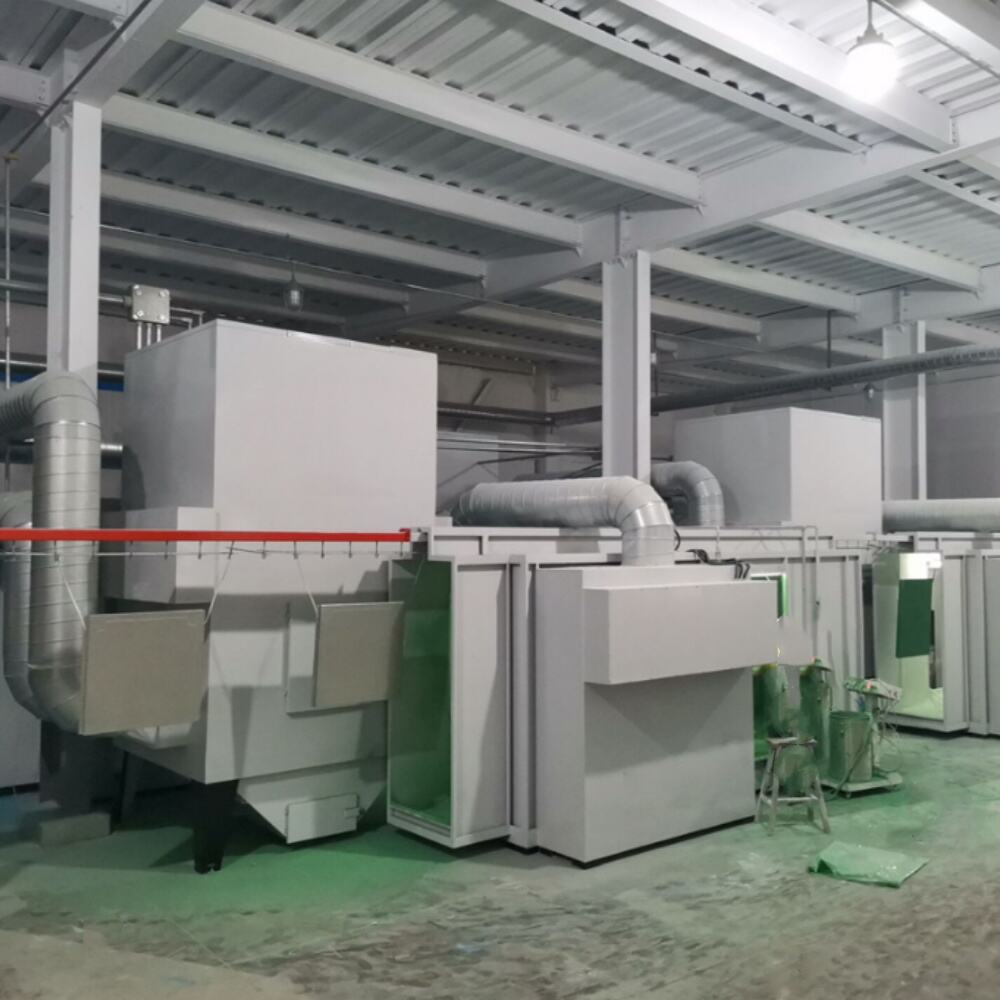
Surface Preparation and Pretreatment: Foundation of Coating Adhesion
Importance of Pre-Treatment Process for Substrate Cleanliness
Getting surfaces ready properly means getting rid of those pesky oils, oxides, and other stuff that just won't stick when applying powder coatings. According to some research published in 2022 in the Journal of Coatings Technology and Research, if the surface energy drops below 36 dynes per square centimeter, there's about a 63 percent jump in how often coatings start peeling off. That's pretty significant actually. Most plants these days rely on automated alkaline cleaning systems which can get down to around one milligram per square foot of leftover contamination. And that level meets what industry folks consider acceptable for making sure coatings last long enough without flaking away after just a few weeks.
Impact of Improper Cleaning on Adhesion and Coating Failure
Skipping pre-treatment leads to defects like fisheyes and orange peel within 6–12 months of service. Data from the High-Performance Coatings Institute reveals inadequate cleaning accounts for 41% of premature coating failures, costing manufacturers an average of $18k per incident in rework.
Chemical Conversion Coatings: Iron Phosphate vs. Zinc Phosphate
| Parameter | Iron Phosphate | Zinc Phosphate |
|---|---|---|
| Corrosion Resistance | 168–240 hrs (salt spray) | 500–1,000 hrs (salt spray) |
| Substrate Compatibility | Mild steel, aluminum | Galvanized steel, alloys |
| Cost per sq. ft. | $0.08–0.12 | $0.15–0.22 |
Zinc phosphate coatings provide superior adhesion for harsh environments but require tighter pH control (4.8–5.2) during application.
Rinse Quality and Drying Stages to Prevent Contamination
Deionized water rinsing (≤10 µS/cm conductivity) prevents mineral deposits that create coating pinholes. Infrared drying tunnels maintaining 160–180°F (71–82°C) ensure moisture content stays below 2% before powder application—critical for avoiding steam blisters during curing.
Case Study: Reduced Rejection Rates After Optimizing Pretreatment
A tier-1 automotive supplier cut coating rejections by 37% within 8 months by upgrading to a 7-stage pretreatment system. The $220k investment achieved full ROI in 14 months through improved first-pass yield and reduced zinc phosphate consumption (-19%).
Coating Application Control: Precision in Powder Delivery and Uniformity
Ensuring Uniformity Through Automated Application Methods (Electrostatic Spray, Fluidized Bed)
Systems such as electrostatic spray guns and fluidized bed techniques help get powder coatings onto complicated shapes without gaps or inconsistencies. With electrostatic spraying, the powder particles carry an electrical charge that pulls them toward metal surfaces which have been grounded. Fluidized beds work differently by suspending powder in air streams so it coats parts uniformly when dipped. Both approaches cut down on mistakes made by workers and typically hit around 95 to 98 percent efficiency rates in most industrial coating operations today. This level of performance makes a real difference in production costs and product quality for manufacturers.
Powder Flow Rate and Spraying Distance as Critical Control Parameters
Optimal flow rates (typically 20–50 g/s) prevent overspray, while maintaining a 15–30 cm spraying distance ensures proper adhesion. Deviations exceeding ±5% in flow rates increase defects like orange peel texture by 18%.
Electrostatic Spraying Mechanism and Charge Efficiency
Voltage settings between 40–100 kV create the electrostatic field, with charge efficiency directly impacting powder adhesion. Systems achieving >85% charge efficiency reduce rework rates by 30% compared to sub-70% setups.
Real-Time Monitoring Systems for Consistent Film Thickness Measurement
Infrared sensors and laser profilometers measure dry film thickness within ±5 µm accuracy during application. Integrated IoT platforms automatically adjust gun parameters when deviations exceed preset tolerances.
Manual vs. Automated Quality Control in Mid-Sized Powder Coating Lines
Automated vision systems inspect 500+ parts/hour with <0.5% false rejection rates—triple the speed of manual checks. A 2023 analysis of coating systems found automated lines reduce material waste by 22% while improving first-pass yield from 82% to 94% in medium-scale operations.
Curing Process Optimization: Temperature, Time, and Thermal Profiling
Oven Temperature and Dwell Time Affecting Coating Performance
Getting the best results from powder coating processes depends heavily on maintaining just the right oven temperatures and proper dwell times during curing. Studies indicate that even minor temperature fluctuations around the recommended range can really impact how well coatings stick to surfaces. We've seen cases where being off by just 10 degrees Celsius either way leads to coating adhesion dropping nearly half. Take a recent study from 2024 looking at composite materials. When they tested epoxy-polyester blends cured at exactly 180°C for 12 whole minutes, those samples achieved impressive 98% crosslinking efficiency. But when the same material was processed at only 170°C, the polymerization simply didn't complete properly. These days, many advanced infrared curing systems come equipped with multiple thermocouples spread throughout the oven chambers. This setup helps track temperature variations so operators can maintain consistency within about 2 degrees Celsius across every single rack position in production runs.
Degree of Cure Verification Using Solvent Rub Tests
After the curing process is complete, quality checks often depend on what's called solvent rub testing. Technicians take a clean cloth dipped in MEK and run it back and forth over the coated area. If the finish is properly cured, it should handle at least fifty double passes without showing any signs of wear or damage. Shops that have adopted this technique instead of just looking at surfaces say they see around a third fewer problems when products are actually used in the field versus relying solely on visual inspections.
Under-Cured vs. Over-Cured Coatings: Impact on Durability
Coatings that don't reach at least 95% crosslink density tend to have weak chemical resistance. Salt spray tests show these under-cured samples fail around three times quicker compared to those that cure correctly. On the flip side, coatings that get over-cured at temperatures near 210 degrees Celsius for more than fifteen minutes start turning brittle. The impact resistance plummets dramatically, going down from roughly 160 inch pounds all the way below 60 inch pounds. Modern thermal profiling equipment helps by notifying workers whenever oven settings move outside safe ranges, which stops both of these problematic situations from happening in production runs.
Thermal Profiling for Accurate Cure Monitoring in Powder Coating Lines
Advanced powder coating lines employ data-logging thermal profilers that track parts through all curing stages. A recent implementation case saw a 28% decrease in energy costs and 19% fewer reworks after adopting real-time thermal mapping. Three-stage cure profiles (ramp-up, stabilization, controlled cool-down) improved coating flexibility by 22% compared to single-stage processes.
Film Thickness Management and Quality Testing Techniques
Optimal Coating Thickness Based on Performance Requirements (Chemical, Abrasion, Heat Resistance)
Target thickness in powder coating lines varies by application: decorative surfaces typically require 1.5–3 mils, while industrial components facing chemical exposure need 3–5 mils. Components subjected to abrasive wear benefit from 10–15% thicker films compared to standard specifications, balancing protection with material efficiency.
Non-Destructive Film Thickness Testing Using Magnetic or Eddy Current Gauges
Today's powder coating operations rely on magnetic or eddy current gauges to check coating thickness with around 0.2 mil precision while keeping finished goods intact. Industry reports show these non-contact methods cut down on measurement mistakes by nearly half when compared to old school caliper measurements. The numbers come from actual quality tests run across multiple facilities last year. What really makes a difference though are the automated systems hooked up to live quality monitoring. When something goes off track, these setups catch problems right away so technicians can tweak settings before entire batches hit the curing stage. This kind of instant feedback saves time and materials in production runs.
Consequences of Excessive or Insufficient Film Build in Powder Coating
Thin coatings (<1.2 mils) fail salt spray tests 3X faster than optimal ranges, while films over 6 mils exhibit poor adhesion and wasted material. A 2022 polymer durability study found 58% of warranty claims traced to thickness-related defects in automotive powder coating lines, emphasizing the economic impact of precision control.
Integration of IoT Sensors for Real-Time Powder Coating Quality Control
Wireless thickness sensors now stream data to line controllers, triggering automatic spray adjustments when films stray beyond thresholds. This innovation reduces rework rates by 31% in high-volume operations compared to manual sampling methods, particularly effective for complex geometries prone to uneven coverage.
Frequently Asked Questions
What is the significance of surface preparation in powder coating?
Proper surface preparation ensures the removal of contaminants such as oils and oxides, which can greatly improve the adhesion and durability of powder coatings.
How do chemical conversion coatings affect corrosion resistance?
Iron and zinc phosphate coatings provide different levels of corrosion resistance, with zinc phosphate being superior in harsh environments due to its tighter pH control requirements.
Why is film thickness management crucial in powder coating?
Optimal film thickness ensures effective protection and material efficiency. Deviations can lead to adhesion issues and increase the likelihood of defects, impacting overall durability.
Table of Contents
-
Surface Preparation and Pretreatment: Foundation of Coating Adhesion
- Importance of Pre-Treatment Process for Substrate Cleanliness
- Impact of Improper Cleaning on Adhesion and Coating Failure
- Chemical Conversion Coatings: Iron Phosphate vs. Zinc Phosphate
- Rinse Quality and Drying Stages to Prevent Contamination
- Case Study: Reduced Rejection Rates After Optimizing Pretreatment
-
Coating Application Control: Precision in Powder Delivery and Uniformity
- Ensuring Uniformity Through Automated Application Methods (Electrostatic Spray, Fluidized Bed)
- Powder Flow Rate and Spraying Distance as Critical Control Parameters
- Electrostatic Spraying Mechanism and Charge Efficiency
- Real-Time Monitoring Systems for Consistent Film Thickness Measurement
- Manual vs. Automated Quality Control in Mid-Sized Powder Coating Lines
- Curing Process Optimization: Temperature, Time, and Thermal Profiling
-
Film Thickness Management and Quality Testing Techniques
- Optimal Coating Thickness Based on Performance Requirements (Chemical, Abrasion, Heat Resistance)
- Non-Destructive Film Thickness Testing Using Magnetic or Eddy Current Gauges
- Consequences of Excessive or Insufficient Film Build in Powder Coating
- Integration of IoT Sensors for Real-Time Powder Coating Quality Control
- Frequently Asked Questions