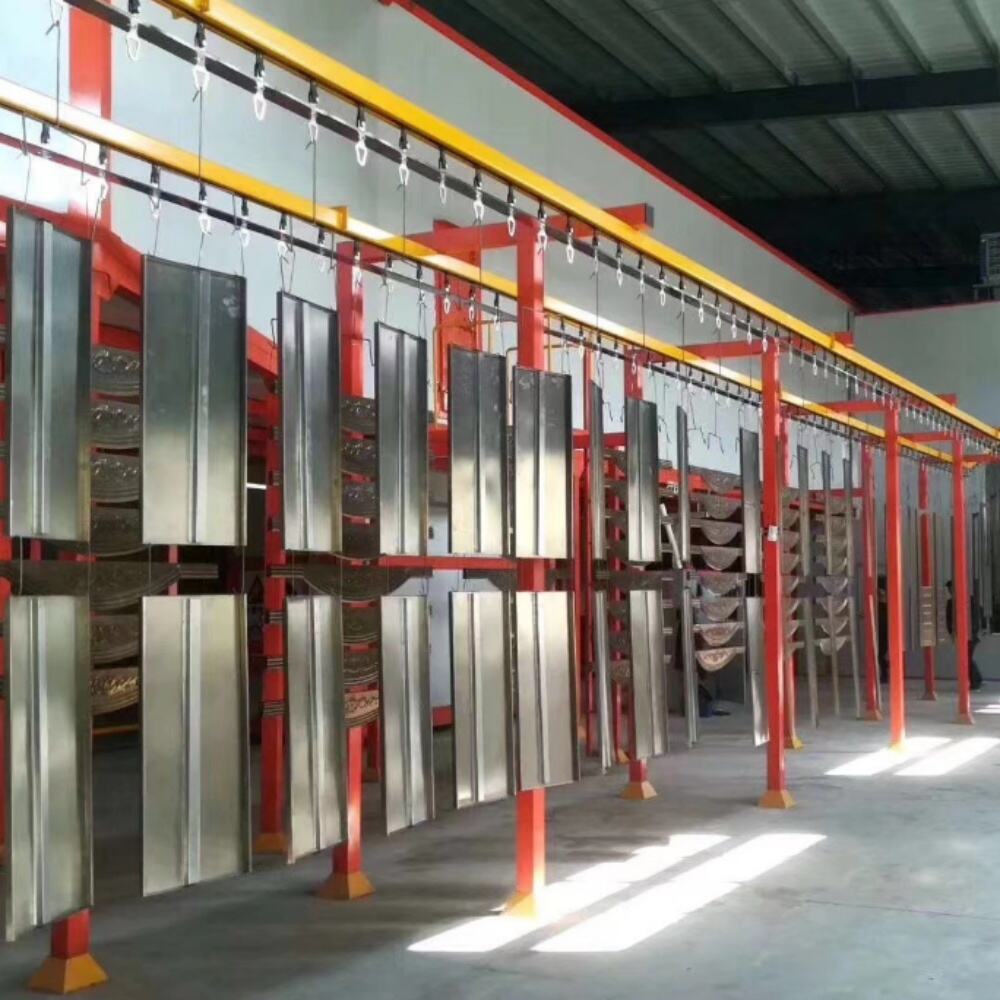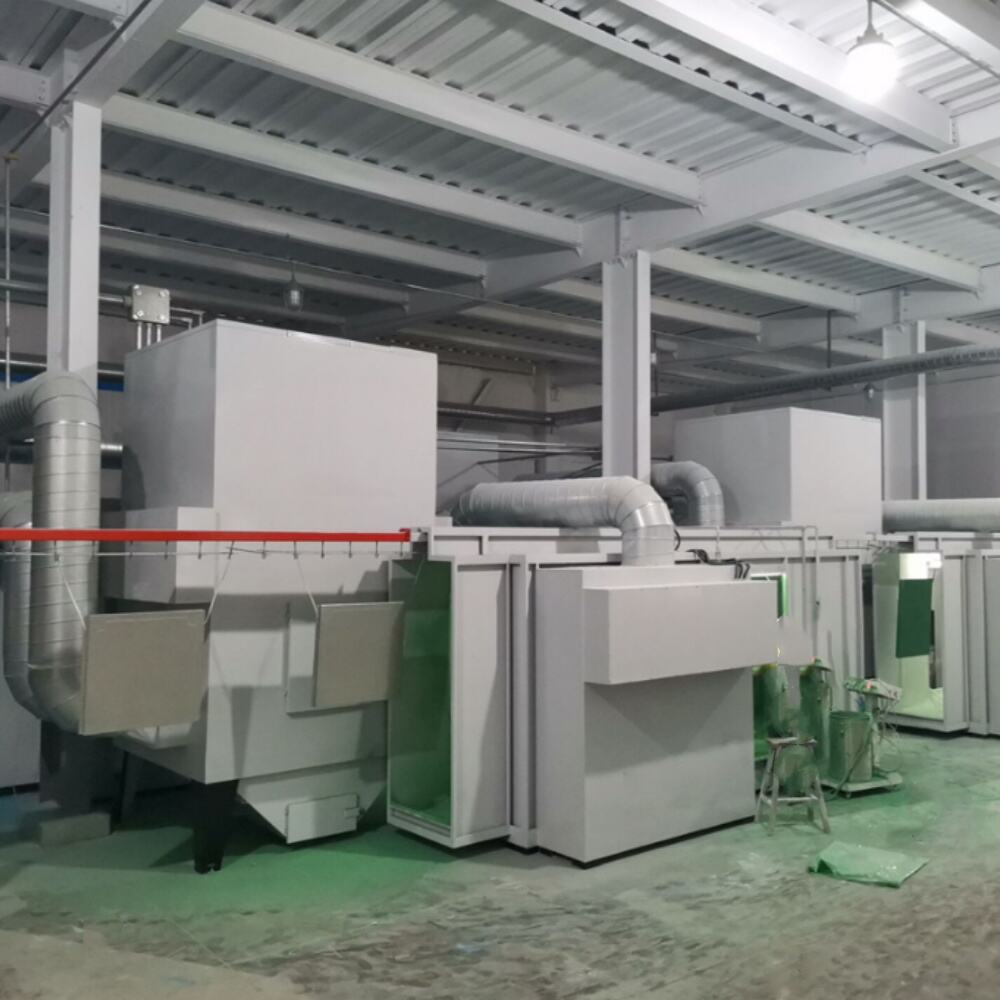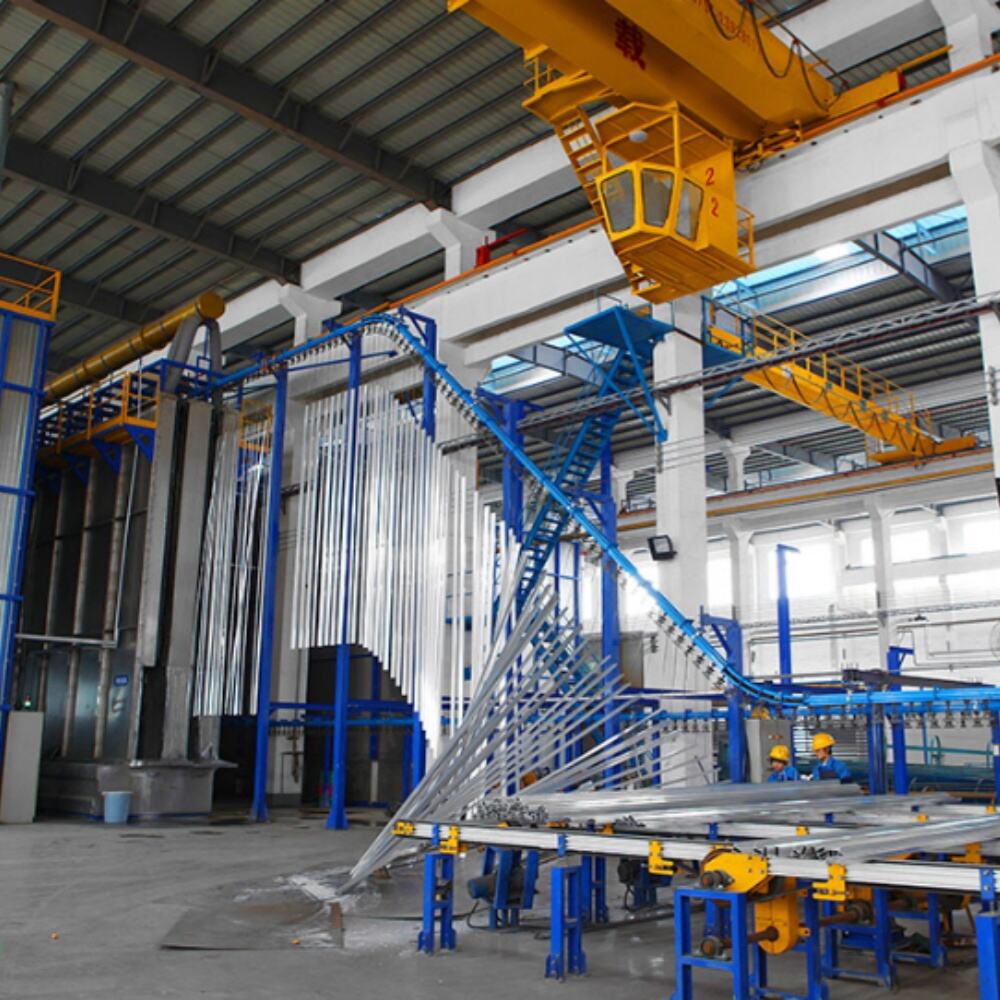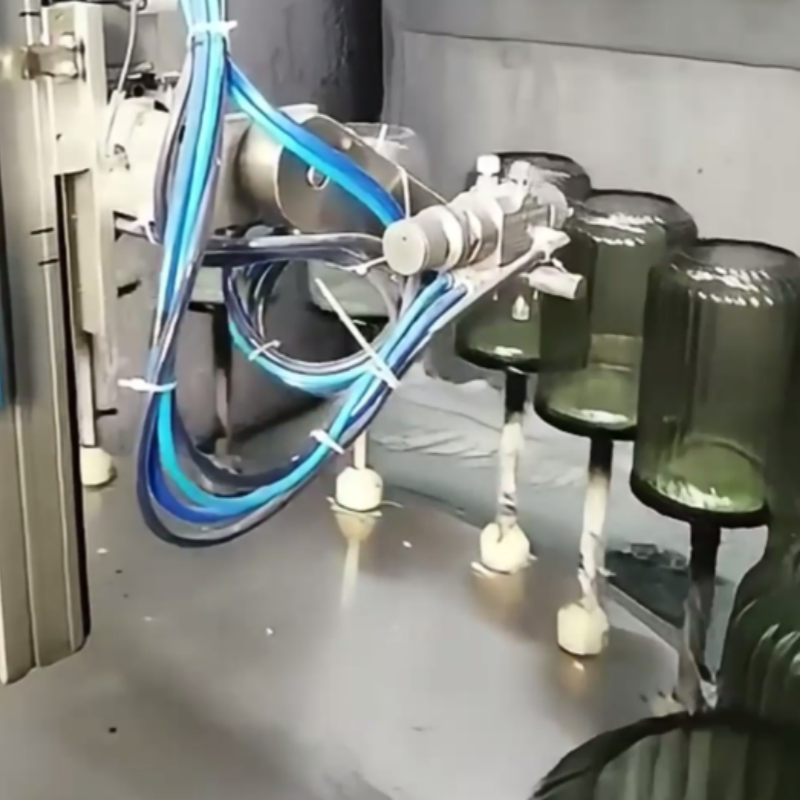

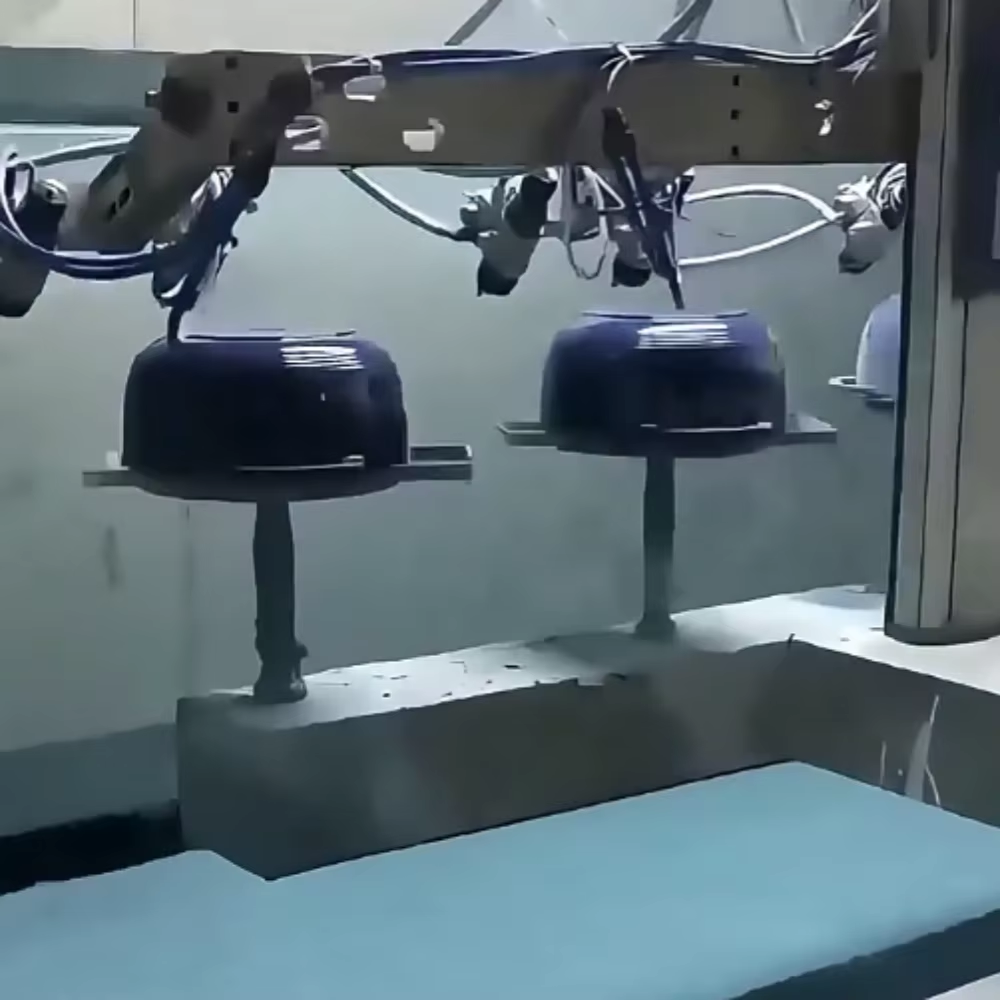
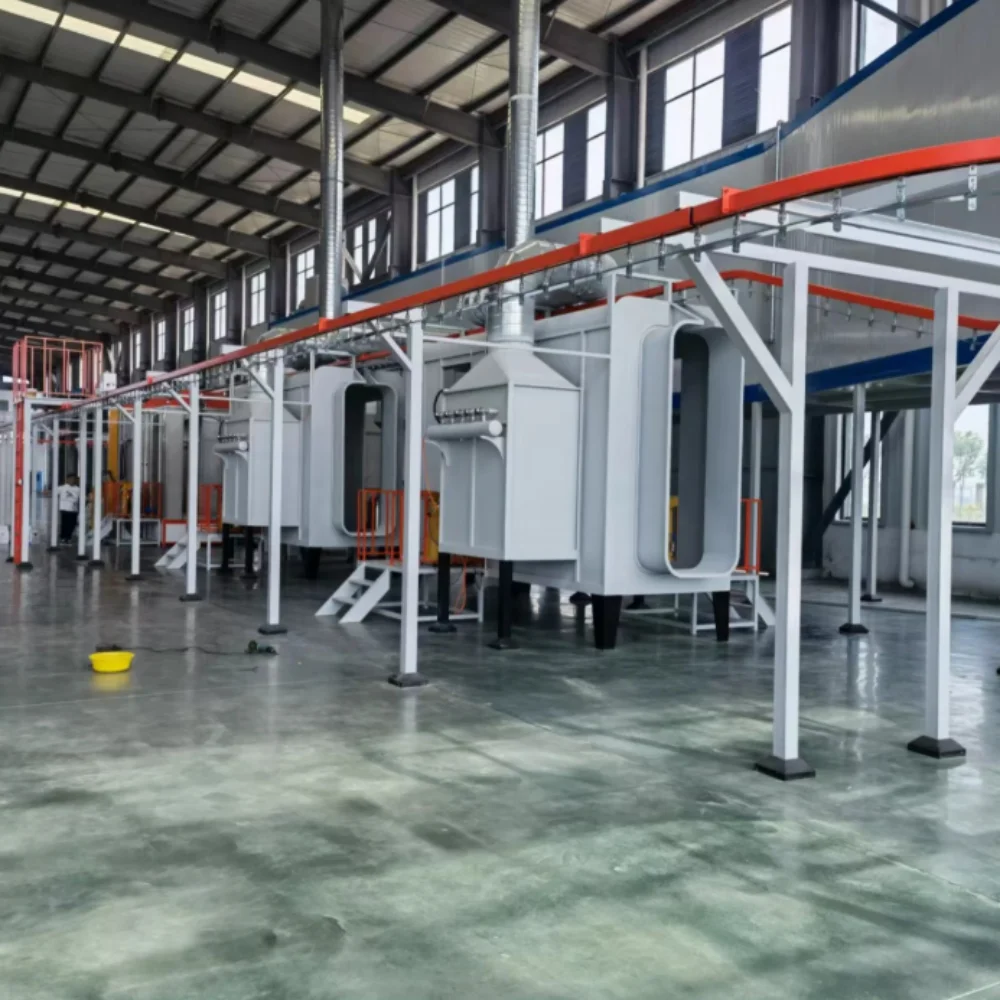
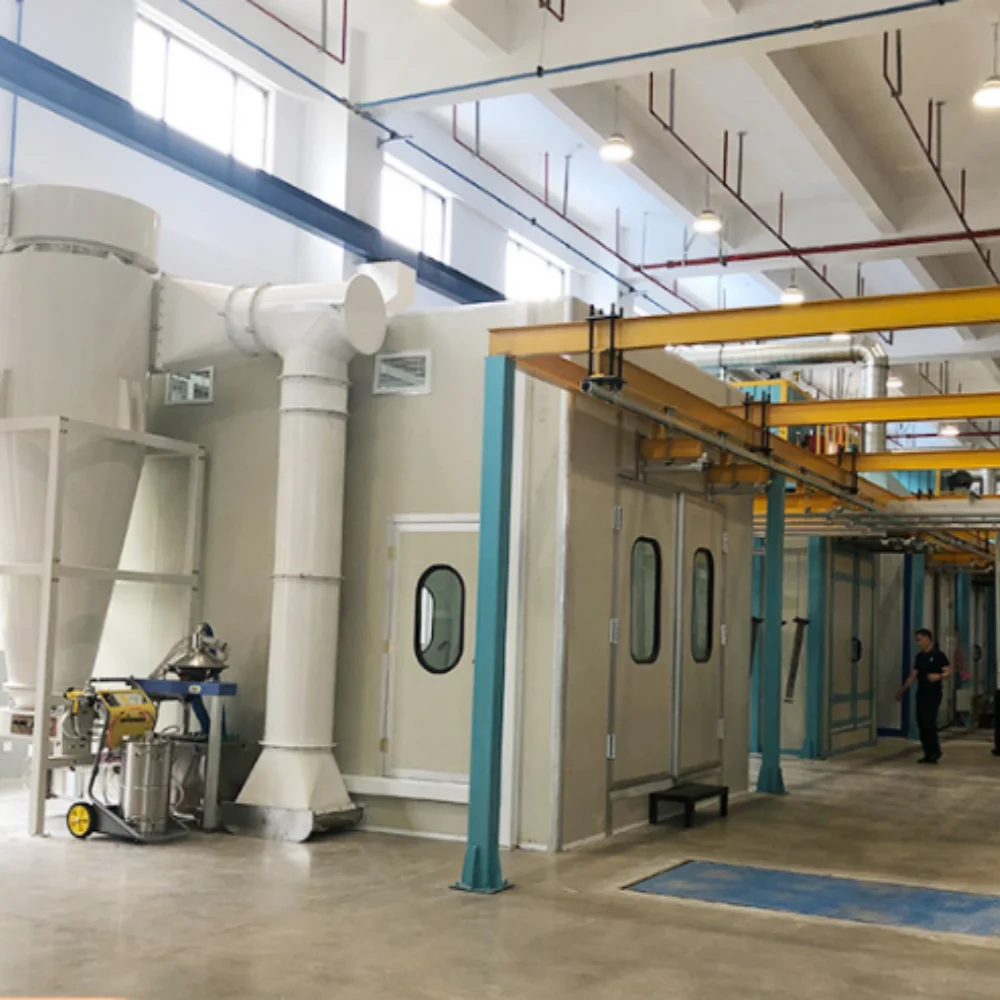
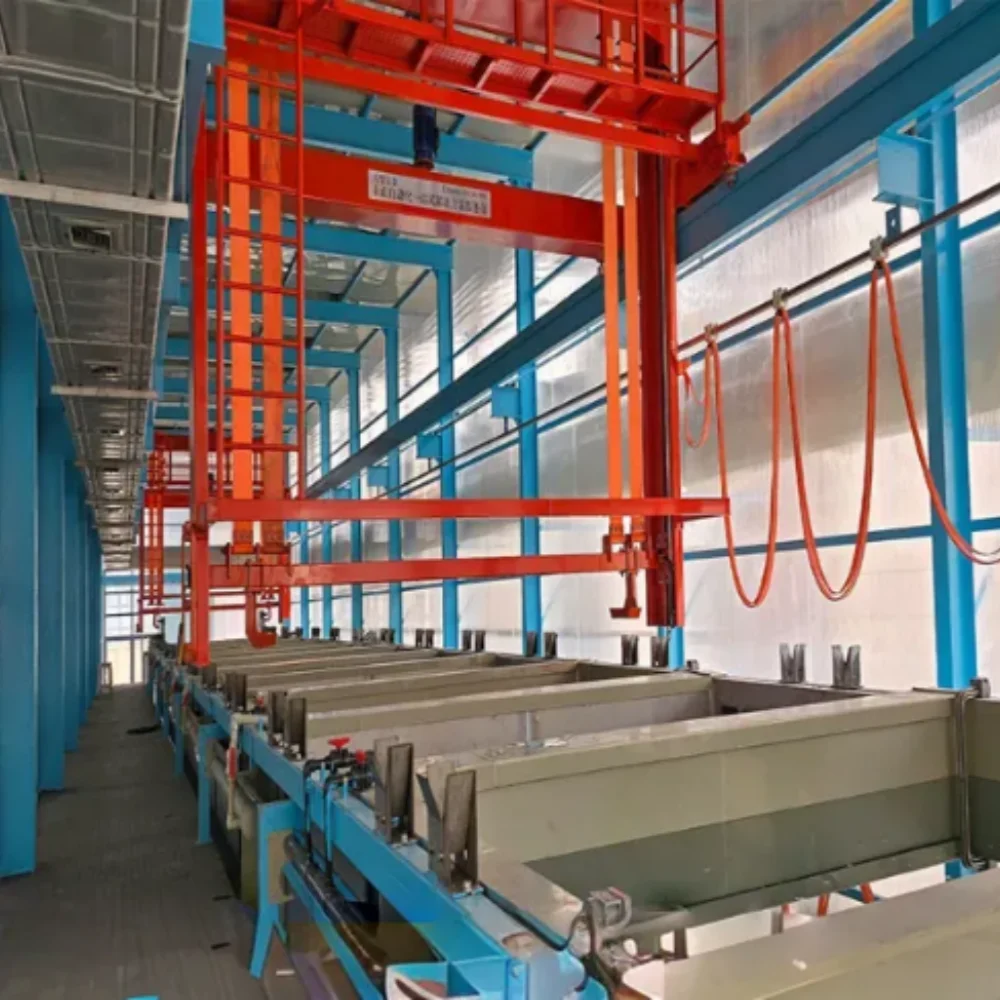
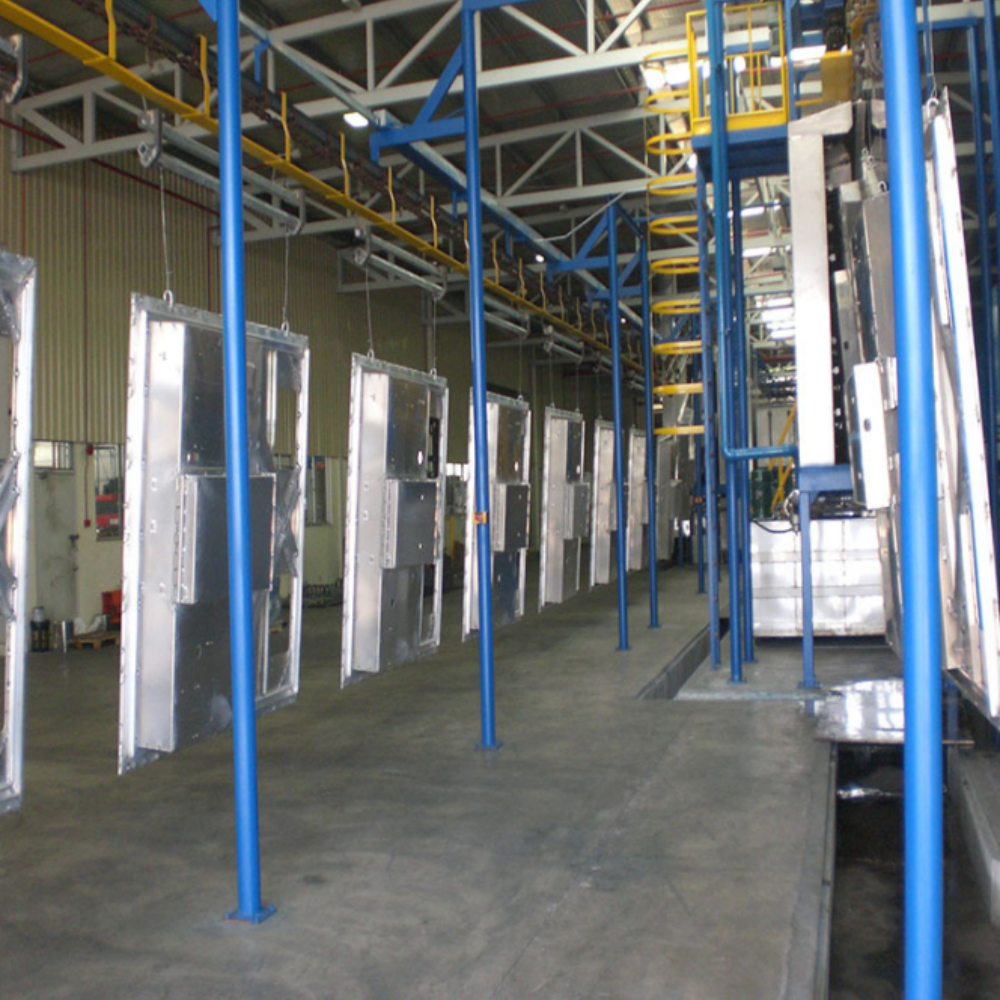
The core innovation of an automatic painting machine is its ability to translate digital design parameters into a physical, high-quality coated surface with absolute fidelity. This is achieved through a seamless integration of mechanical engineering, fluid dynamics, and software control. The spray applicators, whether for liquid or powder, are engineered for precise atomization, breaking the coating material into a fine, uniform mist. The motion system then positions these applicators with robotic accuracy, maintaining the perfect distance and angle to the workpiece. This combination ensures that the coating is deposited evenly, without the orange-peel effect, runs, or dry spray commonly associated with manual application. The impact on production scalability is profound. In the automotive sector, a single painting robot can coat multiple car bodies per hour, each one identical to the next, which is essential for brand quality perception. These systems operate in multi-stage booths, applying different layers—e.g., anti-corrosion primer, color coat, and protective clearcoat—in a fully sequenced, automated process. The transfer efficiency, especially when using electrostatic assistance, is extremely high, minimizing waste and environmental impact. For manufacturers of wood products, such as musical instruments or high-end handicrafts, automatic spraying machines offer a way to maintain artisanal quality at a larger scale. The machine can be programmed to replicate the subtle spraying techniques of a master craftsman, applying thin, controlled coats that enhance the wood's natural grain while providing protection. This allows workshops to increase output without compromising the aesthetic value that defines their brand. In the context of a complete powder coating line, the automatic painting machine is the centerpiece. The system typically includes a pre-treatment tunnel for cleaning and chemical pre-treatment, the automatic powder spray booth, and a curing oven. The machine itself uses electrostatic spray guns to apply the powder. The charged particles are attracted to the grounded part, wrapping around edges and ensuring full coverage. Powder that does not adhere (overspray) is typically over 95% recoverable by a recovery system, making it an extremely efficient and environmentally friendly process. Whether your application is for standard industrial finishes or requires a specialist coating for glass or ceramics, the principles of precision and efficiency remain the same. We have extensive experience in configuring systems for a wide array of industries. To discuss your specific project and to obtain a system proposal with detailed pricing, please contact our sales department. We are here to provide you with the expert guidance you need.