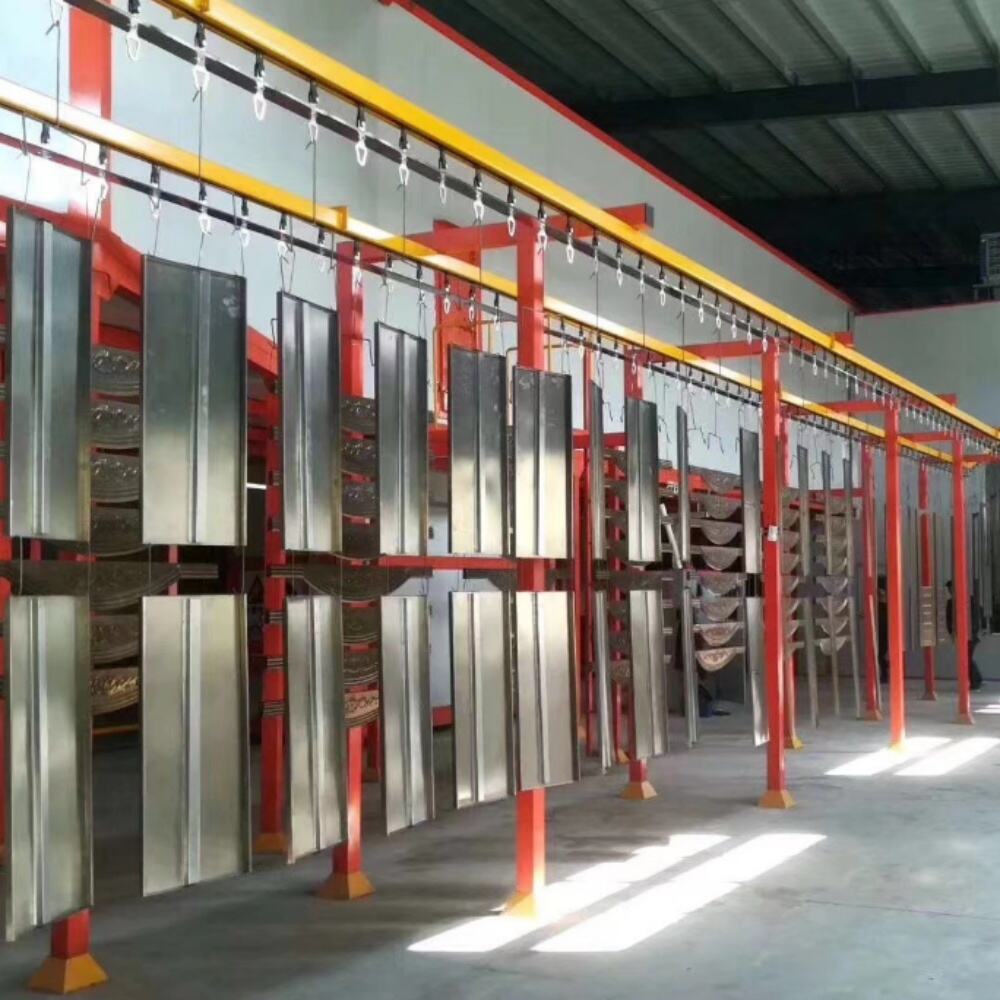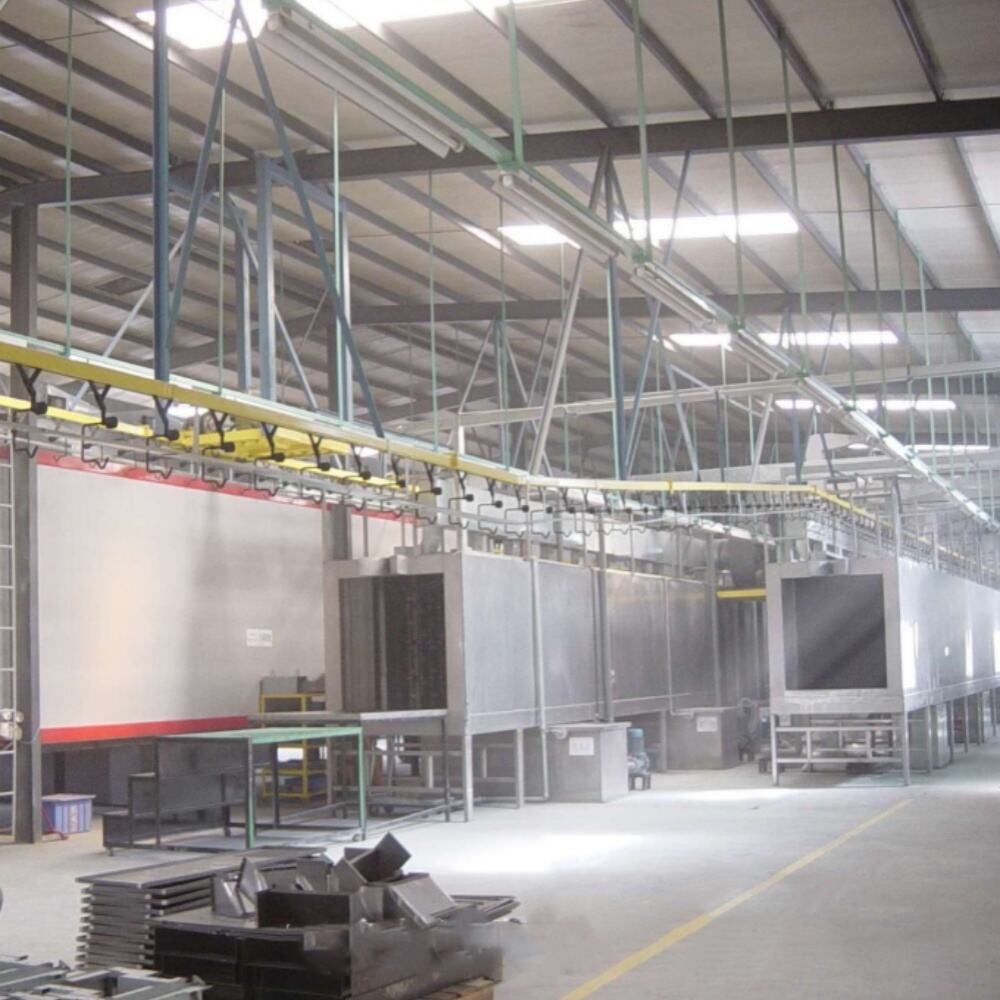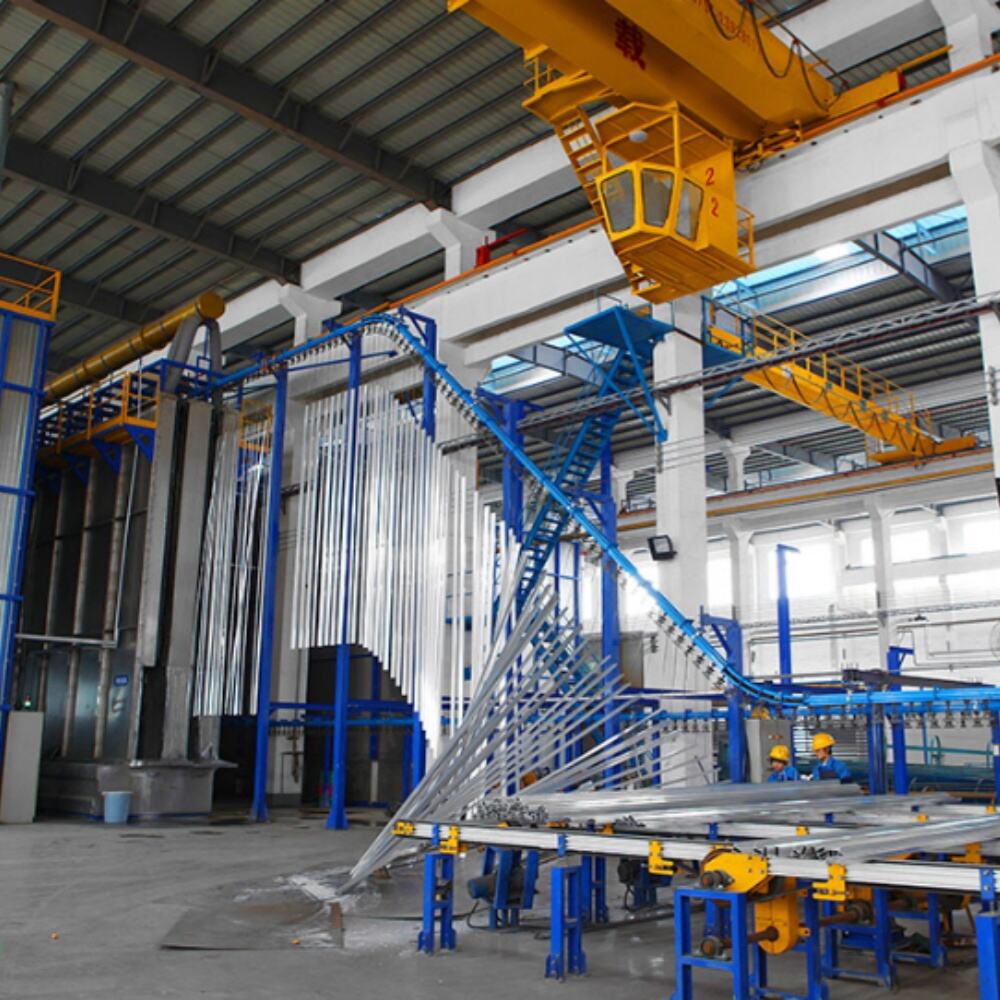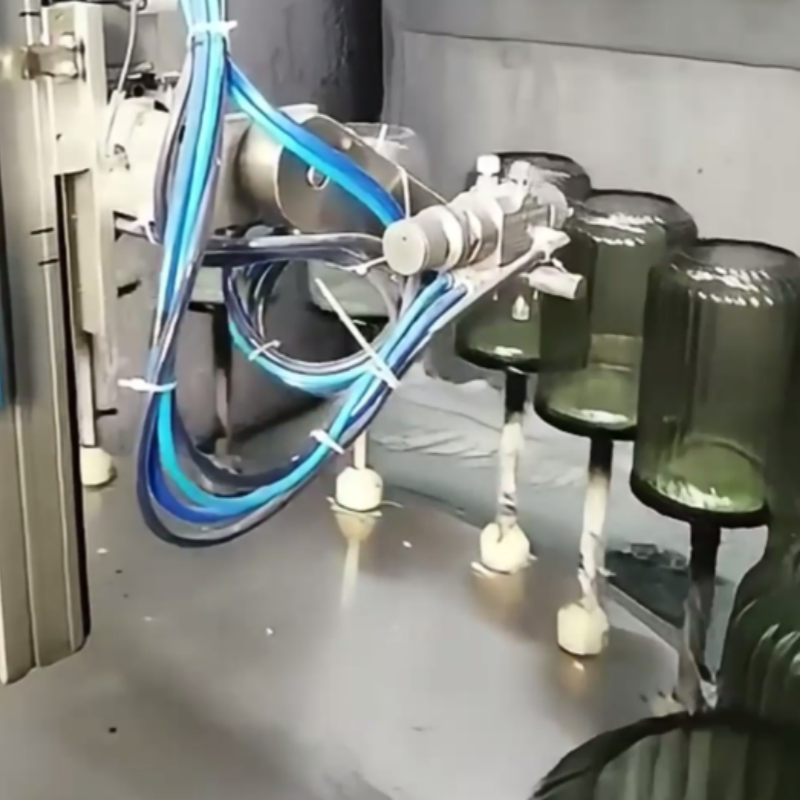

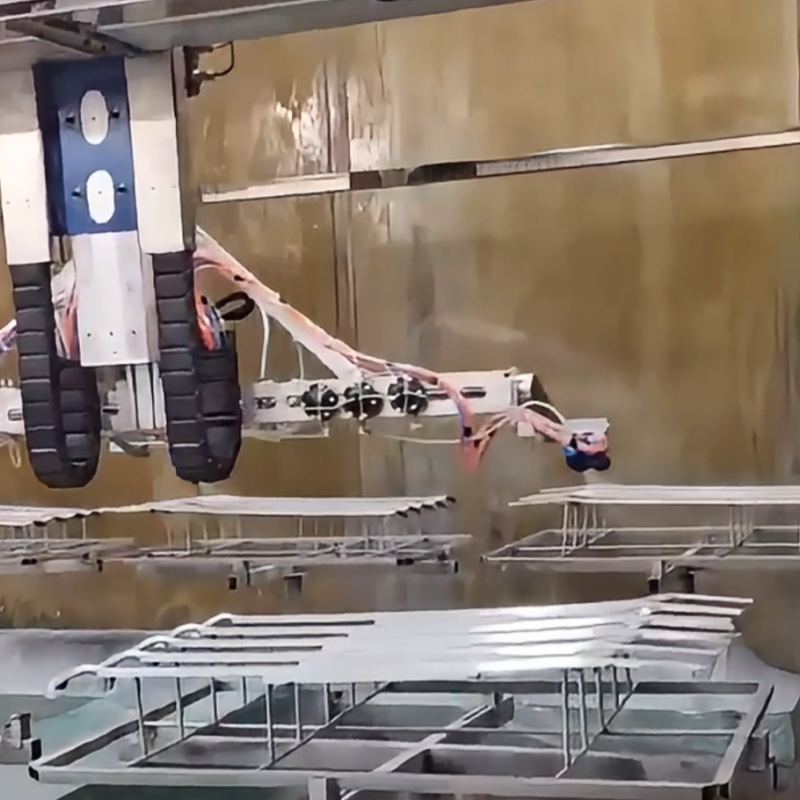
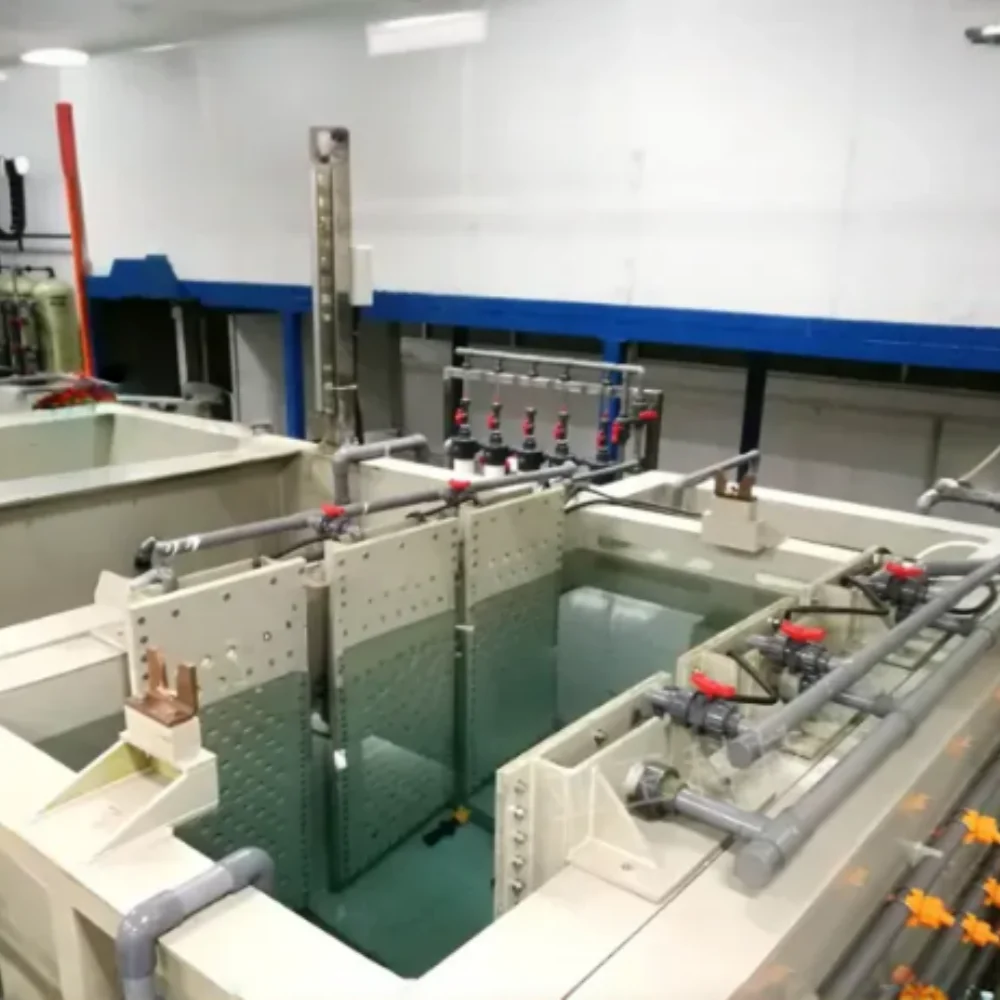
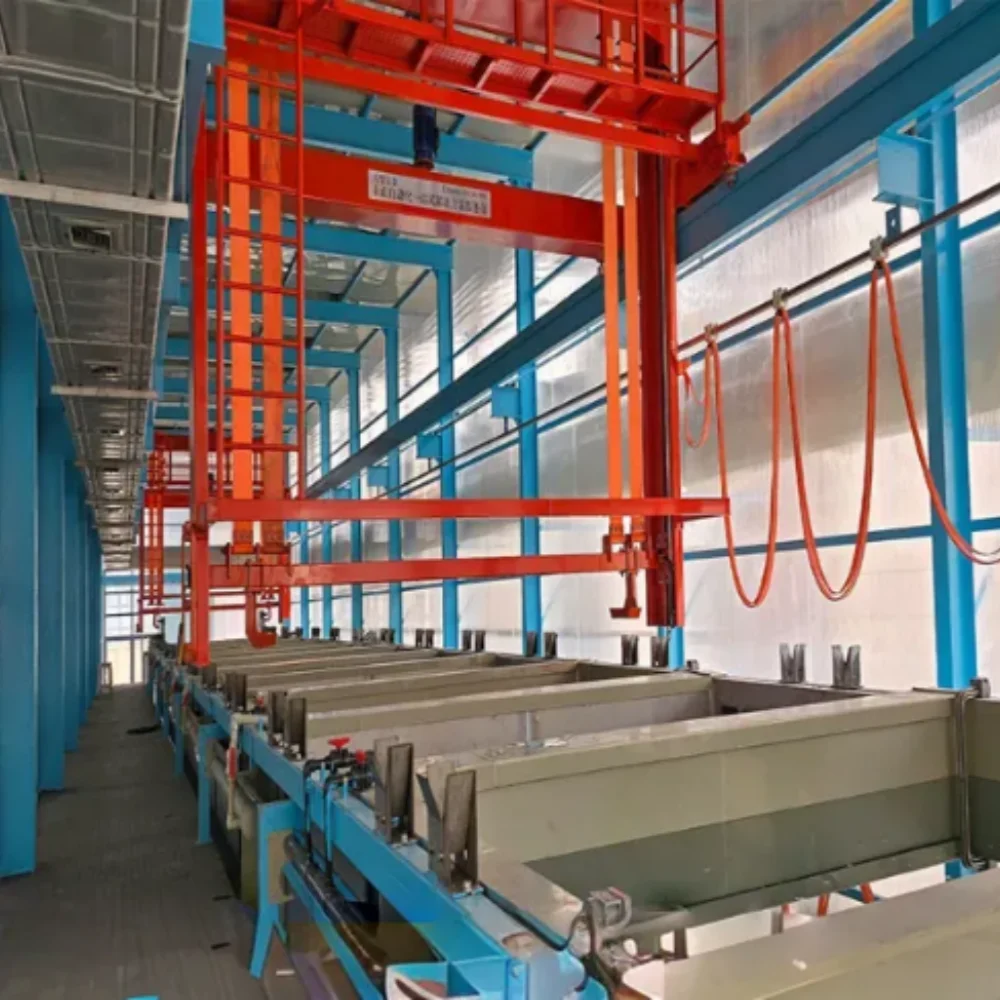
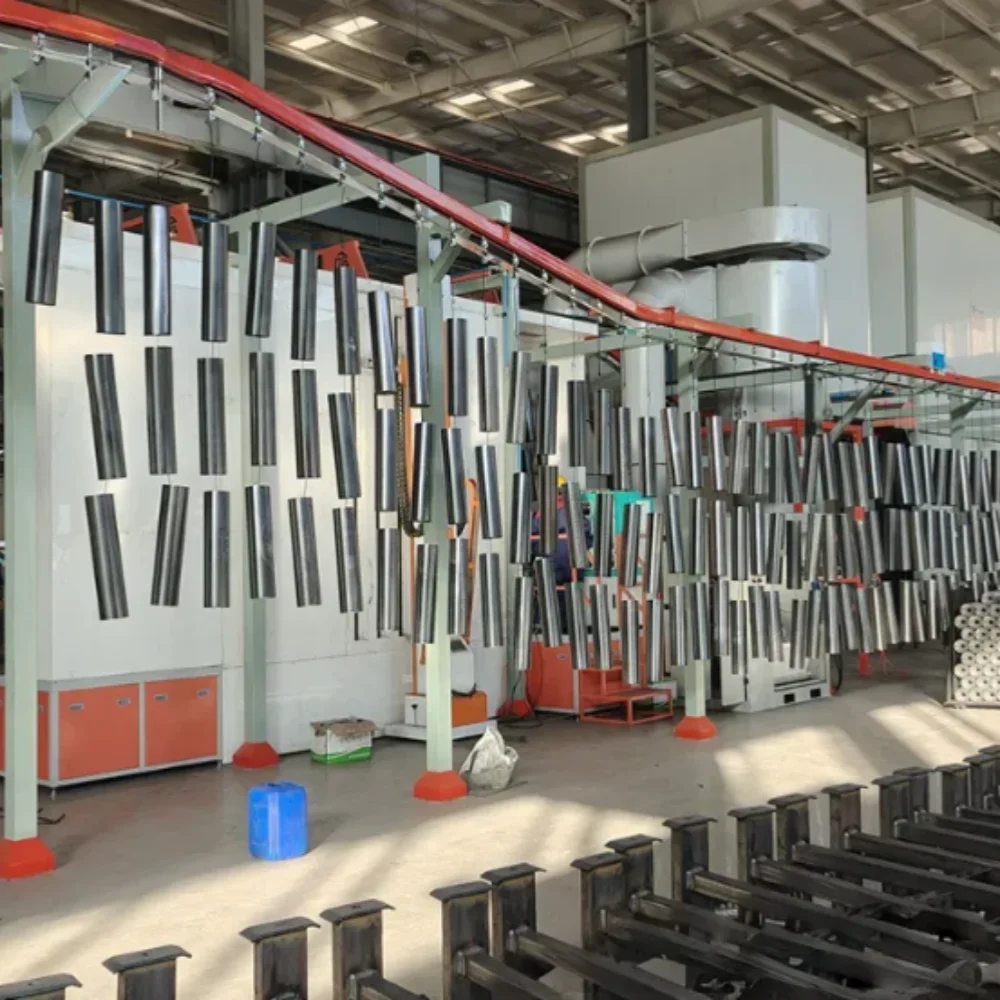
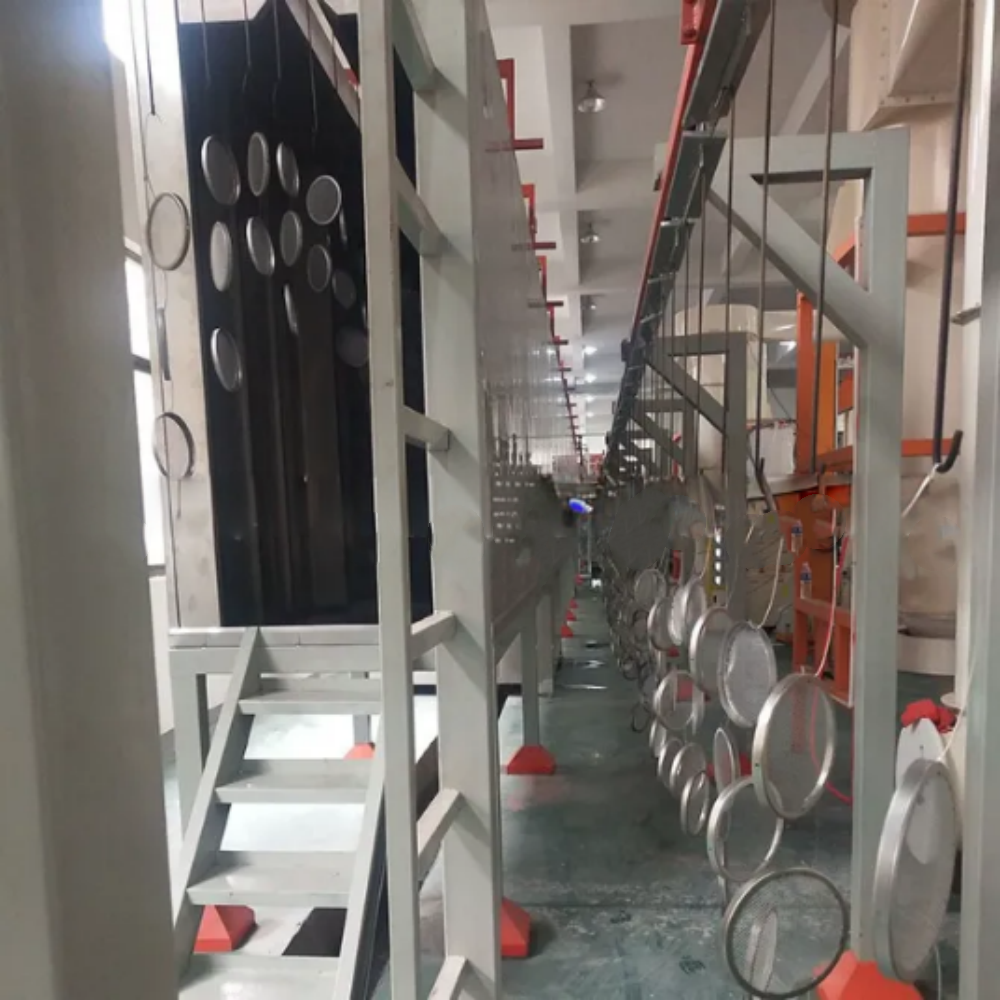
An automatic painting machine is a highly engineered solution designed to address the core challenges of modern manufacturing: quality, efficiency, and cost-effectiveness. At its heart, the system utilizes precision motion control to guide one or more spray applicators along a pre-defined path relative to the part being coated. This path programming is typically done via offline simulation software or teach-and-repeat methods, ensuring the optimal gun orientation, standoff distance, and traverse speed for each specific part geometry. The result is a dramatic reduction in overspray, which can account for significant material savings of 20-40% compared to manual operations. This not only lowers material costs but also reduces the load on booth filtration systems and minimizes volatile organic compound (VOC) emissions, aiding in environmental compliance. Consider the application within a wood coating line for furniture production. An automatic spraying machine can be configured to apply stain, sealer, and topcoat to complex-shaped items like cabinet doors or table legs. By using reciprocators or robots, the machine ensures that every crevice and contour receives an even coat without runs, sags, or dry spots. This is often followed by a UV curing station, where ultraviolet light instantly polymerizes the coating, resulting in a hard, durable finish that is ready for assembly in minutes, not hours. This significantly accelerates the entire production cycle. Another powerful application is in the electrophoretic coating (E-Coat) process, commonly used for automotive components and hardware. Here, an automatic handling system, often an integral part of the painting machine, immerses parts into a paint bath where an electrical current deposits a perfectly uniform, corrosion-resistant primer layer onto all surfaces, even recessed areas inaccessible to conventional spray. This process is almost exclusively automated, requiring precise control of voltage, bath chemistry, and immersion time. The machine's ability to handle parts gently and consistently is critical to the success of the E-Coat process. For companies looking to upgrade their existing facilities, retrofitting an automatic painting machine into a current spraying production line is a common project. Our engineers specialize in designing integration solutions that minimize disruption. The return on investment is typically calculated based on labor savings, material reduction, increased throughput, and improved quality yield. To explore how an automatic painting machine can transform your specific operation and to obtain a detailed ROI analysis, we invite you to reach out to our application engineering department for a no-obligation discussion.