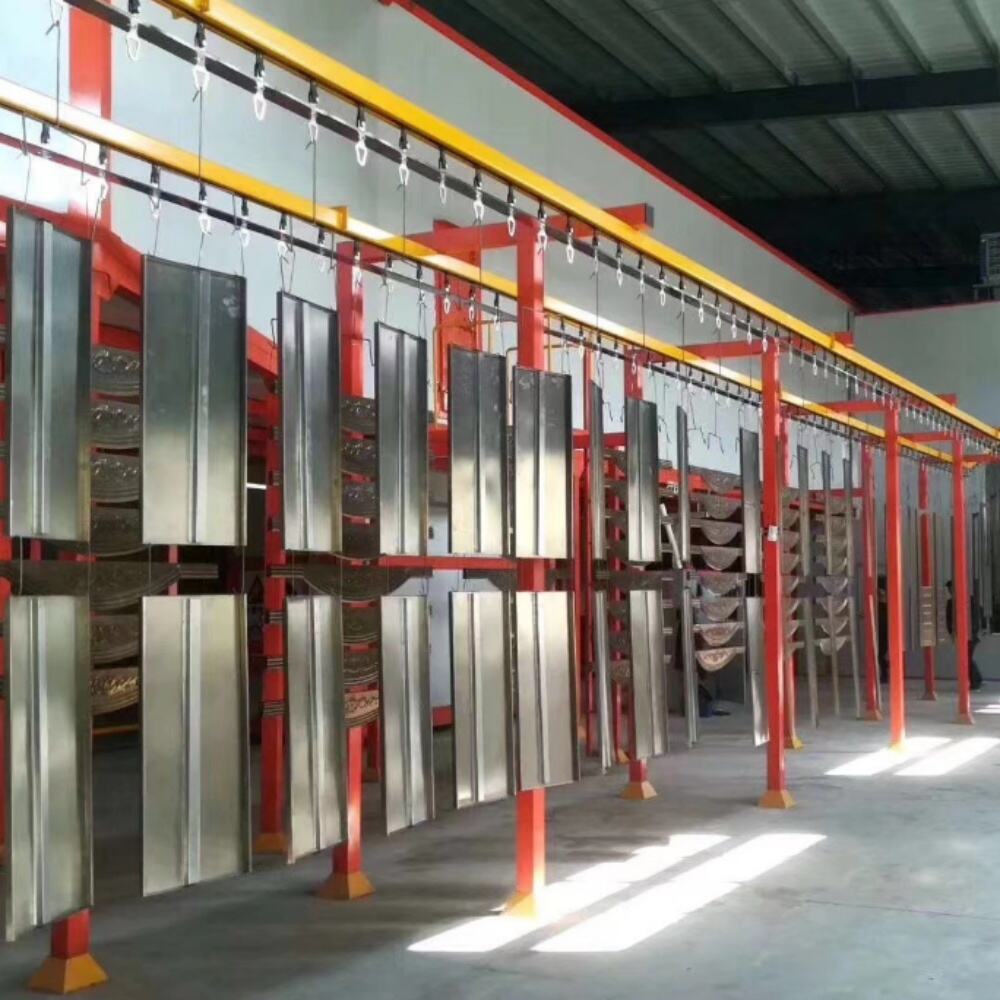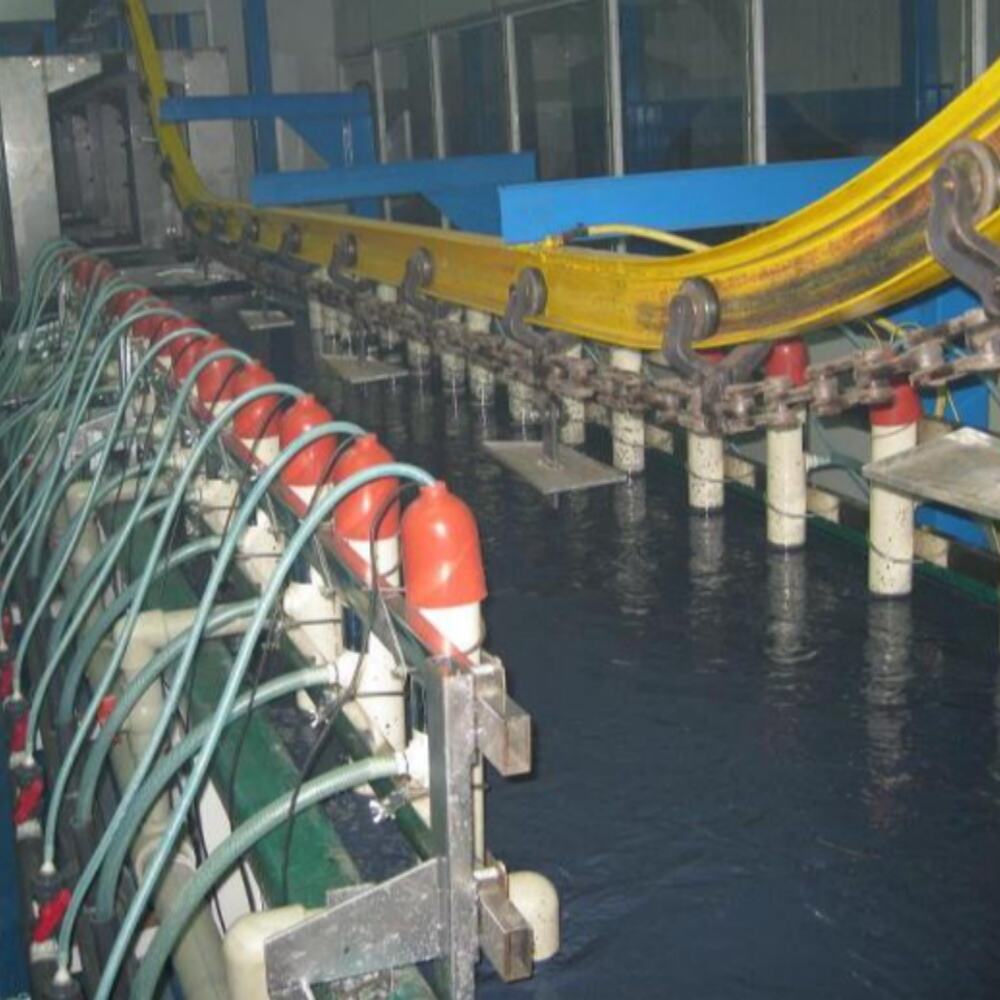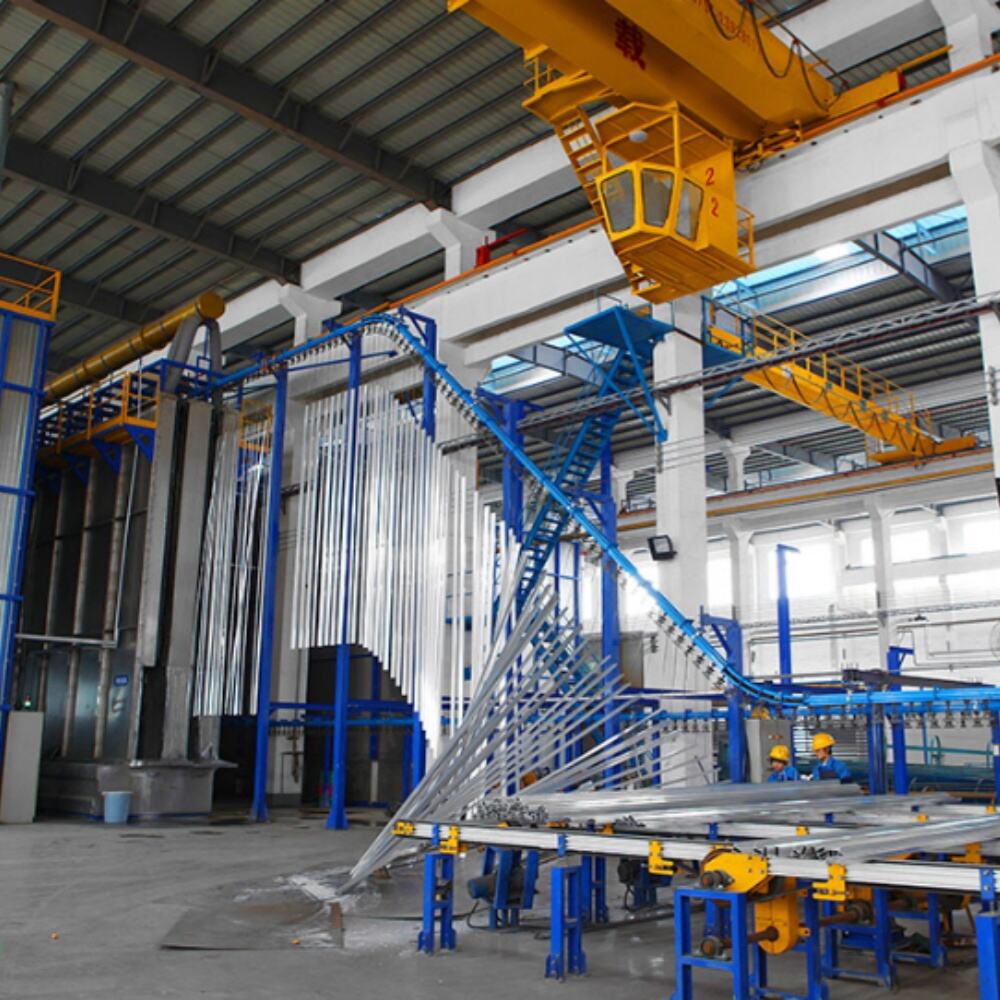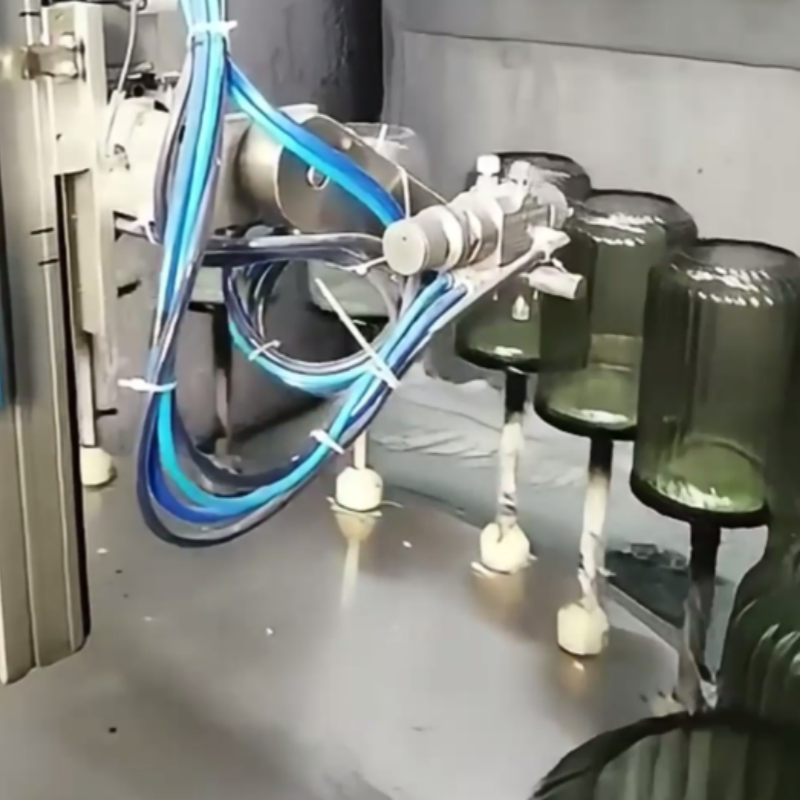

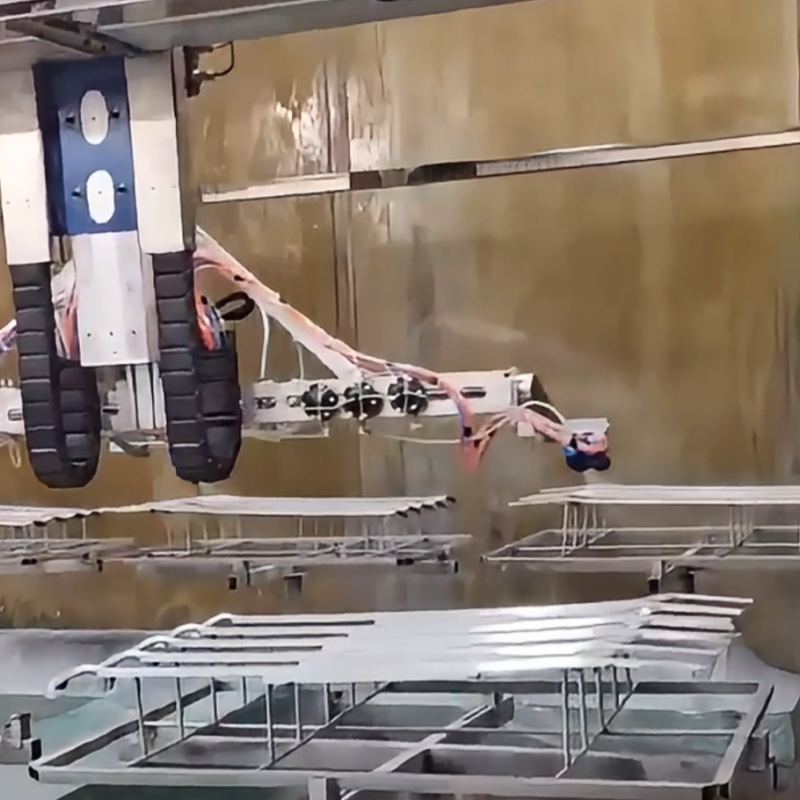
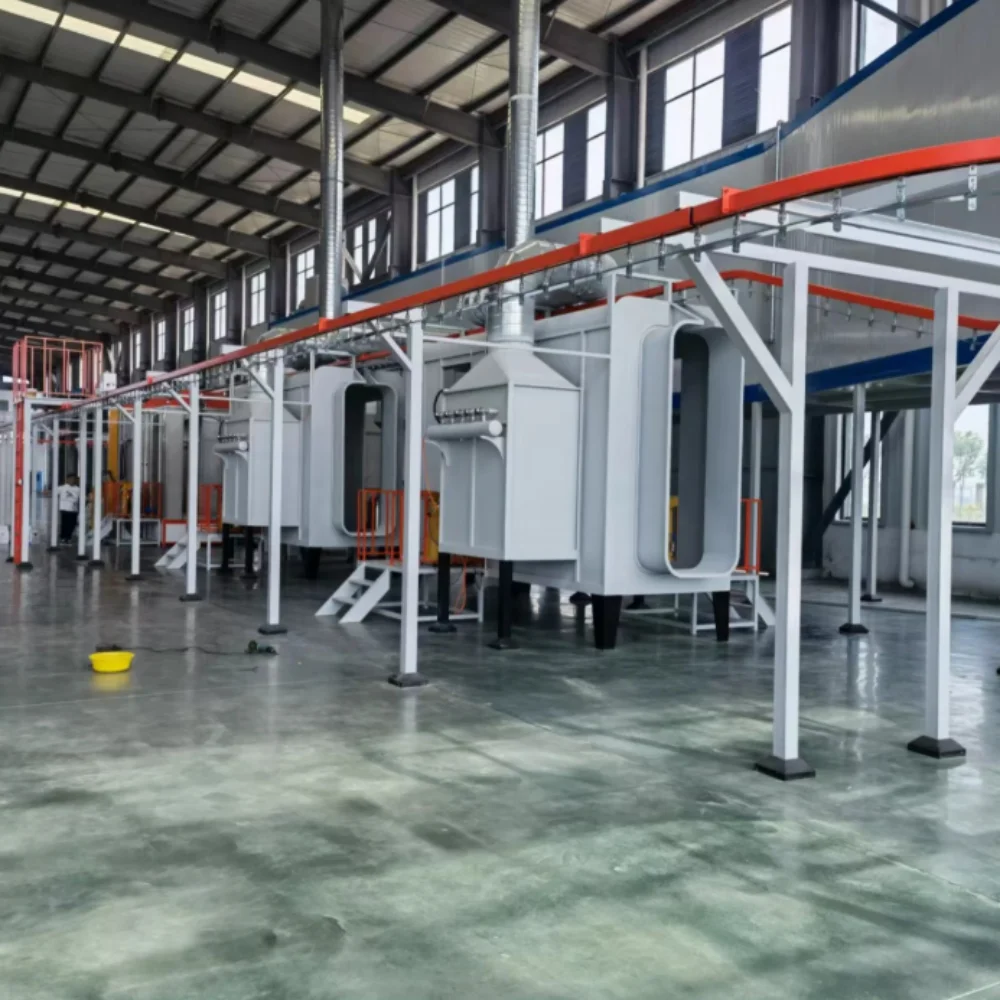
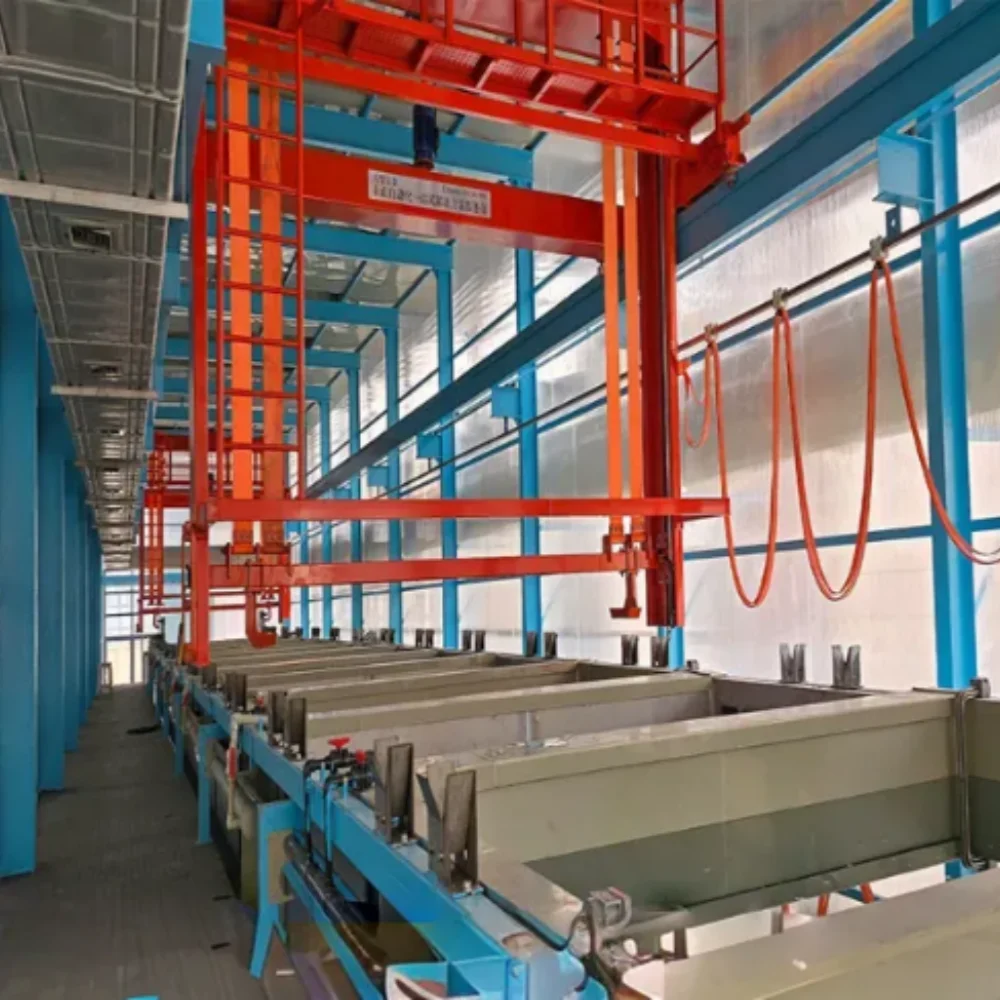
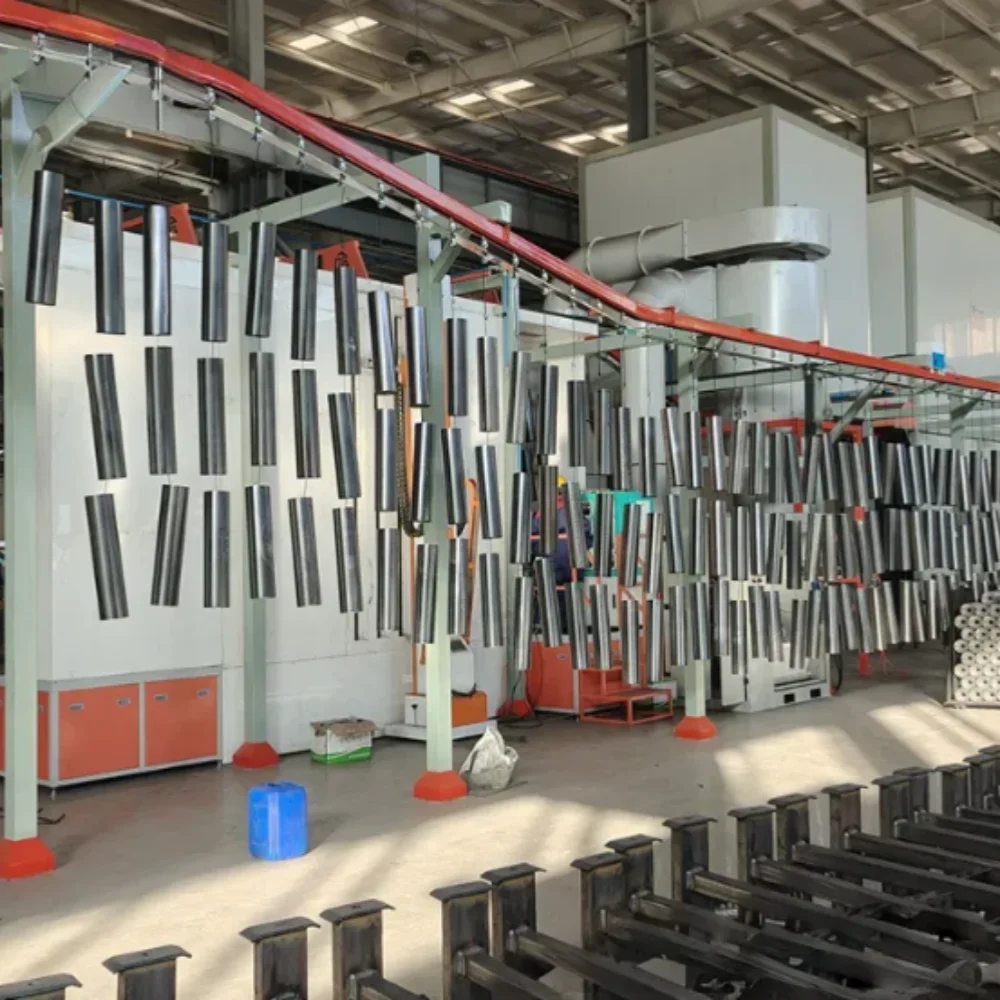
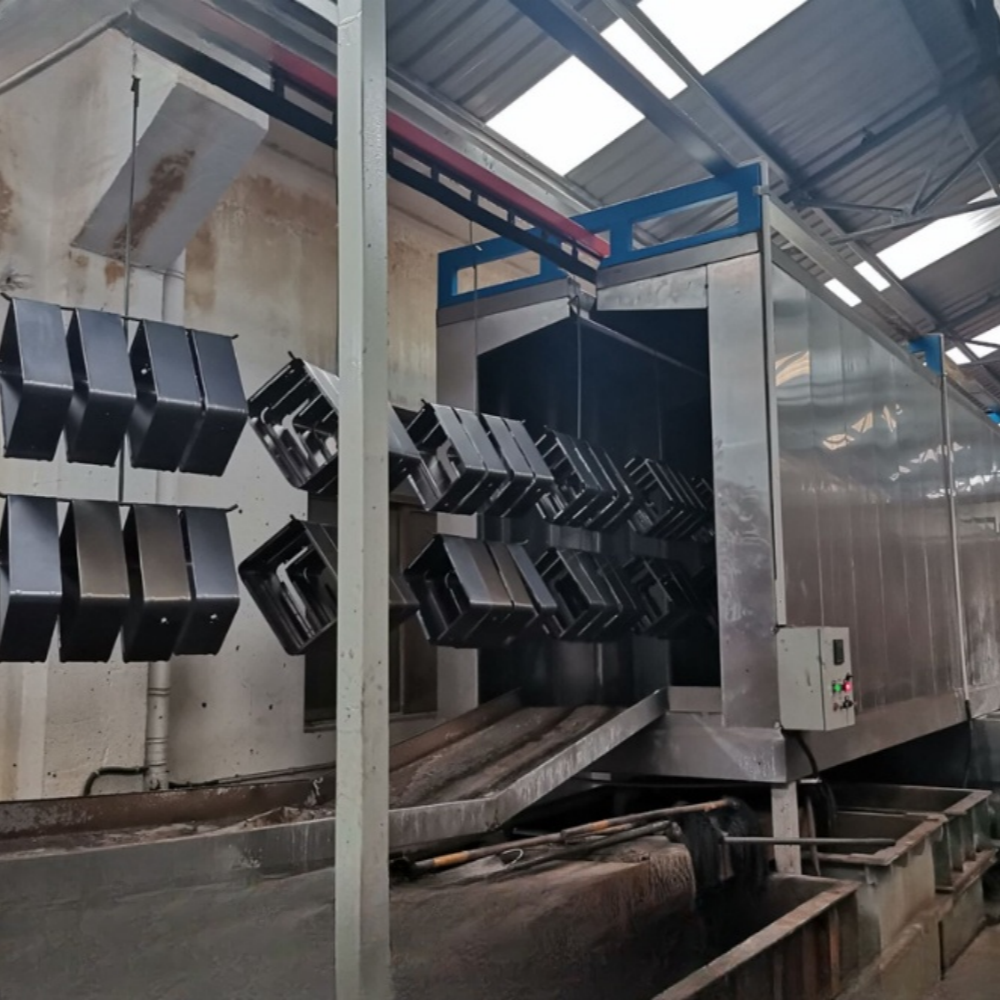
An automatic painting machine is a capital investment that fundamentally enhances the competitiveness of a manufacturing operation. Its primary value proposition is the delivery of a consistently high-quality finish while simultaneously driving down the total cost of ownership. The consistency achieved eliminates the need for costly touch-up operations and rework, directly improving the first-pass yield. From an operational standpoint, these machines can function in environments that are challenging or hazardous for human workers, such as areas with high levels of solvent vapors or in confined spaces. This enhances overall workplace safety and can reduce costs associated with personal protective equipment (PPE) and specialized ventilation for manual spray booths. A detailed look at a hardware spraying production line reveals its efficiency. Parts like hinges, brackets, or fasteners are often coated in large batches. An automatic system, integrated with an automatic loading and unloading mechanism, can process these high volumes continuously. Parts are loaded onto fixtures, conveyed through a pre-treatment stage, into the spray booth where multiple spray heads on a reciprocator coat them from all angles, then into a curing oven, and finally unloaded—all without manual handling. This level of automation drastically reduces labor costs and increases throughput exponentially. For the furniture industry, specifically in coating flat panels for office furniture or kitchen cabinets, flat-line automatic spraying machines are employed. These systems use a series of precise spray stations, sometimes complemented with roller coaters or curtain coaters, to apply a perfectly uniform layer of paint or laminate. The integration of UV light curing immediately after application creates an exceptionally hard and scratch-resistant surface in a matter of seconds, enabling just-in-time manufacturing. The adaptability of these machines also extends to the plastics industry. Plastic parts often have complex, three-dimensional shapes and can be made from materials with different surface energies. Automatic painting machines can be programmed with complex paths to ensure complete coverage, and they can be equipped with plasma treaters or flame treaters inline to instantly modify the plastic's surface energy immediately before painting, ensuring excellent adhesion and a long-lasting finish. Selecting the right automatic painting machine requires a detailed understanding of your products, production goals, and facility constraints. We provide comprehensive consulting and design services to ensure a perfect fit. To receive specific information on machine specifications and investment details, we encourage you to initiate a dialogue with our technical team. They will provide you with the detailed insights necessary for your decision-making process.