
 EN
EN
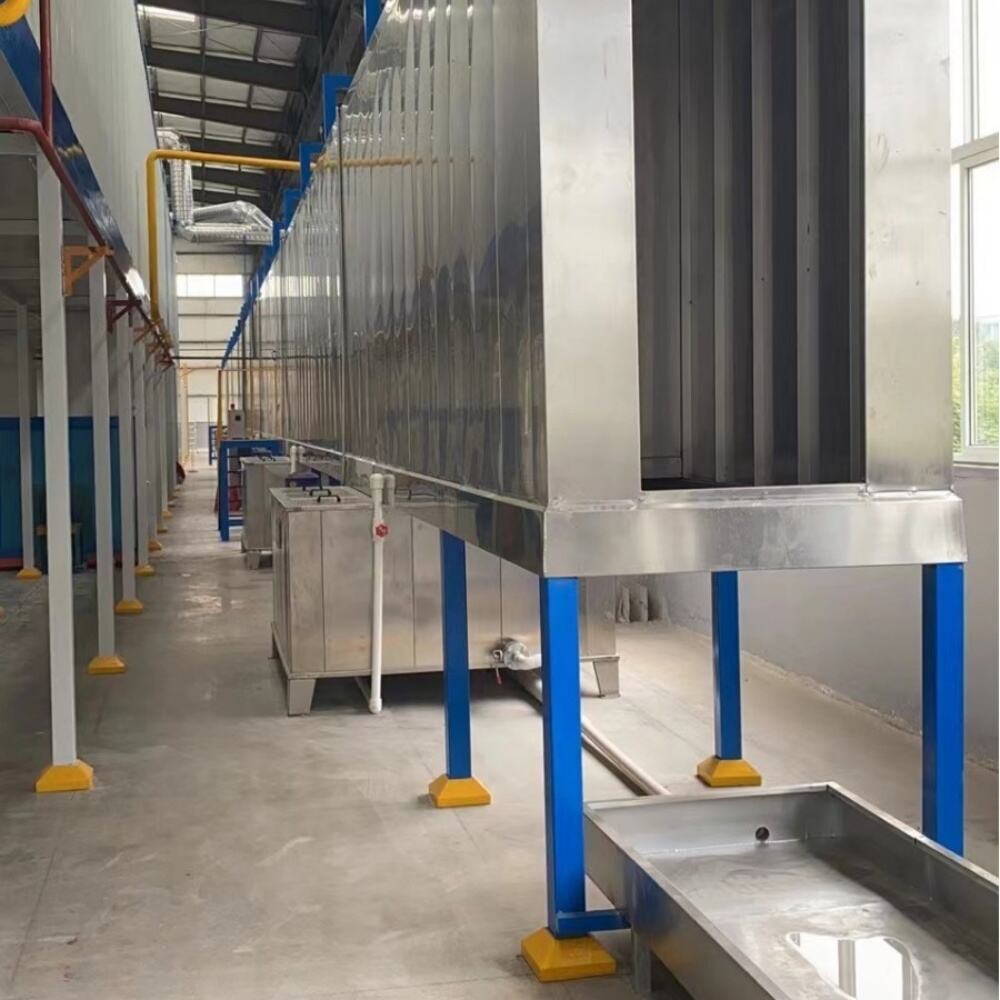
Core Environmental Regulations Governing Powder Spraying Systems
NFPA 33 Chapter 15: Safety, containment, and emissions benchmarks for powder spraying systems
Chapter 15 of NFPA 33 lays out the basic safety rules for powder spraying operations, focusing mainly on containing materials, preventing explosions, and protecting workers who operate these systems daily. The standards put a cap on airborne powder particles at no more than 0.25 grams per cubic meter in areas where operators work. Electrical equipment needs to be explosion proof as well, something manufacturers often overlook until after an incident occurs. Grounding connections should stay under 10 megohms resistance to prevent static buildup problems. When sparks are detected, fire suppression systems need to kick in within half a second maximum response time. Most facilities meet these requirements using automated air flow management systems, multiple layers of physical separation between hazardous zones, and regular checks from independent inspectors. These measures aren't just regulatory boxes to check off but essential practices that keep production running safely over the long term.
EPA, OSHA, and EU REACH alignment on ventilation, operator exposure, and filtration accountability
EPA, OSHA, and EU REACH converge on three core environmental and occupational benchmarks for powder spraying:
- The EPA restricts volatile organic compound (VOC) emissions to <2.8 lbs/gallon under Clean Air Act guidelines
- OSHA enforces a permissible exposure limit (PEL) of 15 mg/m³ for respirable particulates
- EU REACH requires substitution of hazardous substances across 70% of industrial coatings, particularly those with carcinogenic or reprotoxic properties
All three frameworks align on ventilation performanceârequiring â¥100 fpm face velocity and HEPA-grade filtrationâand mandate continuous monitoring in operator breathing zones, along with documented filter efficiency. A holistic implementation of this regulatory triad reduces non-compliance incidents by 62%, according to Professional Safety (2023).
Emission Control Technologies in Modern Powder Spraying Systems
Dual-stage recovery (cyclone + cartridge filter): Achieving >99.9% capture efficiency per ACGIH TR-21
Combining cyclonic pre separation with high efficiency cartridge filters has become the go to method for industries trying to hit tough environmental targets while recovering materials effectively. According to recent studies from ACGIH TR 21 in 2023, systems set up this way can catch over 99.9 percent of overspray. What happens is that the cyclone takes care of those bigger particles first so they don't clog up the cartridges down the line. This actually makes the filters last longer and cuts down on how much compressed air needs to be used when cleaning them, somewhere around 15 to 20 percent less. For companies dealing with coatings work, these improvements really help meet what the EPA wants regarding efficient resource use and cutting back on waste.
Wet scrubbers vs. dry filtration: Regulatory triggers for volatile binder off-gassing mitigation
The choice between wet scrubbers and dry filtration hinges on binder chemistryânot application method alone. When powders contain volatile organic binders, agencies require targeted mitigation of hazardous air pollutants (HAPs):
| Technology | Best For | Regulatory Trigger | Maintenance Consideration |
|---|---|---|---|
| Wet Scrubbers | High-solvent binders & concentrated off-gassing | EPA Subpart HHHH (40 CFR 63) | Water treatment compliance |
| Dry Filtration | Low-VOC powders & standard overspray | NFPA 33 §15.5 exhaust mandates | Filter replacement frequency |
While dry filtration remains the default for conventional electrostatic powder systems, thermally reactive or solvent-borne formulations often trigger wet scrubber requirementsâespecially under EU REACH Annex XVII, which mandates neutralization of carcinogenic gaseous emissions. Binder volatility analysis is therefore essential during environmental permitting to determine the appropriate control pathway.
Critical Infrastructure Requirements for Compliance
Booth ventilation standards: 100 fpm face velocity + 6â12 air changes/hour (ASHRAE 110 & NFPA 33)
Good booth ventilation acts as our primary protection against those pesky airborne dangers during powder spraying operations. The industry standards from ASHRAE 110 and NFPA 33 recommend at least 100 feet per minute face velocity plus between six to twelve full air exchanges every hour. These numbers matter because they help grab those oversprayed particles right where they form and keep cutting down on leftover VOCs and tiny dust particles floating around. When ventilation systems are set up correctly, they do more than just clean the air. They actually control humidity levels too, which makes all the difference when it comes to getting that electrostatic cling just right. And let's not forget real world results either. Studies published in the Journal of Occupational Health back this up showing properly ventilated booths cut operator exposure incidents by about 92%. That's pretty impressive when looking at worker safety metrics.
Grounding integrity and explosion prevention: How system design prevents static-induced noncompliance
The danger of sparks from static electricity is really serious in areas with fine powders since these particles can create explosive clouds almost instantly. Good safety systems use multiple layers to control static buildup. They include floors that conduct electricity (resistance under 1 million ohms), equipment properly connected to ground points, plus special devices that release ions to balance out electrical charges. According to standards set by NFPA 77, proper grounding should keep any spark below 10 millijoules of energy. Most organic powders need around 20 mJ before they'll ignite so this creates a safety margin. When things start going wrong, sensors kick in and stop production right away if resistance levels go outside acceptable ranges. Manufacturers who implement all these measures together tend to avoid about three quarters of the problems found during OSHA inspections according to recent manufacturing safety data.
Frequently Asked Questions
What are the key safety regulations for powder spraying systems?
Key safety regulations include NFPA 33 standards focusing on containment, explosion prevention, and worker protection. Airborne powder particles must not exceed 0.25 grams per cubic meter, and electrical equipment must be explosion-proof.
How do EPA, OSHA, and EU REACH align on powder spraying regulations?
These bodies align on VOC emissions, operator exposure limits, and filtration standards. The EPA limits VOC emissions to <2.8 lbs/gallon, OSHA enforces a PEL of 15 mg/m³ for particulates, and EU REACH emphasizes substituting hazardous coatings substances.
What technologies control emissions in powder spraying systems?
Dual-stage recovery combining cyclone and cartridge filters achieve over 99.9% capture efficiency. Wet scrubbers and dry filtration are used based on binder chemistry to mitigate hazardous air pollutants.
Why is booth ventilation important?
Booth ventilation is crucial for reducing airborne dangers. Industry standards recommend a face velocity of 100 feet per minute and 6-12 full air exchanges per hour to manage oversprayed particles, VOCs, and dust.
How is grounding used to prevent explosions in powder spraying systems?
Grounding controls static buildup, preventing sparks. This involves electrically conductive floors, grounded equipment, and ion-releasing devices, ensuring sparks remain below 10 millijoules, well under ignition levels for organic powders.
Table of Contents
- Core Environmental Regulations Governing Powder Spraying Systems
- Emission Control Technologies in Modern Powder Spraying Systems
- Critical Infrastructure Requirements for Compliance
-
Frequently Asked Questions
- What are the key safety regulations for powder spraying systems?
- How do EPA, OSHA, and EU REACH align on powder spraying regulations?
- What technologies control emissions in powder spraying systems?
- Why is booth ventilation important?
- How is grounding used to prevent explosions in powder spraying systems?