
 EN
EN
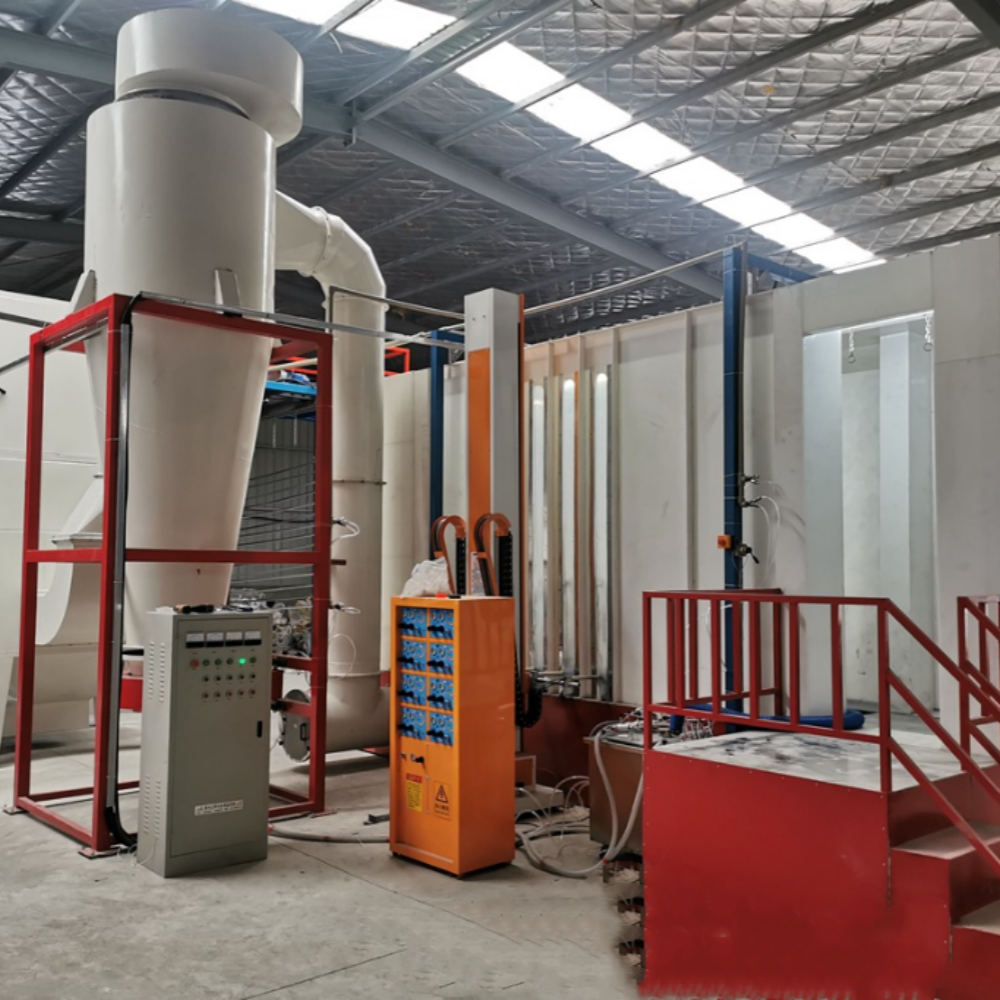
Understanding VOC Emissions and EPA NESHAP Compliance for Powder Coating Booths
Why powder coating produces negligible VOC emissions but remains under regulatory oversight
The powder coating process produces very low levels of VOC emissions since it doesn't rely on solvents at all. Instead, these coatings are cured using heat, not by letting solvents evaporate into the air like traditional liquid paints do. When compared side by side with conventional coatings, powder systems actually eliminate those dangerous air pollutants that normally get released when wet paints dry out. Looking at actual industrial emission reports across different facilities, we find that powder coating emits less than 0.1% of what solvent-based options typically put out there. Even though this sounds great on paper, companies still need to follow regulations set forth by the Clean Air Act for their powder coating operations. The reason? While VOCs aren't the main concern here, the tiny particles from overspray and small amounts of polymer residue still count as particulate matter under environmental standards. And let's not forget about all the other stuff going on around the main process either. Pretreatment solutions used before applying coatings and various cleaning products needed to maintain equipment can themselves generate emissions that must be tracked and reported. This means facility managers need to think holistically about compliance requirements beyond just the coating application itself.
EPA NESHAP Subpart KK: Applicability thresholds, compliance obligations, and monitoring requirements
EPA’s National Emission Standards for Hazardous Air Pollutants (NESHAP) Subpart KK applies to surface coating operations, including powder coating, when facility-wide emissions meet any of these thresholds:
- 15 tons/year of any single HAP (hazardous air pollutant)
- 25 tons/year of combined HAPs
- “Major source” classification based on total facility emissions
When compliance gets activated, facilities need to keep an ongoing eye on things like airflow speed, how well filters are working, and whether they're capturing enough overspray. These checks happen every three months when someone looks at visible emissions, plus there's formal testing once per year. Even if a facility isn't hitting those threshold numbers, they still have paperwork to do to show why they don't need full compliance. This includes keeping track of materials used, calculating hazardous air pollutants according to either EPA Method 311 or what shows up in manufacturer safety data sheets, along with detailed logs about how coatings were applied during operations. For anyone making their first determination about whether compliance applies, it really pays off to get someone who knows their stuff looking over the shoulder. Someone with actual experience reading EPA guidelines and understanding how different states implement them can spot problems before they become expensive headaches down the road.
The risk of 'zero-VOC' claims: How marketing language can trigger regulatory scrutiny
Calling powder coating "zero-VOC" can get companies into trouble with regulators, despite the fact that real-world VOC emissions tend to be pretty minimal. The Environmental Protection Agency has cracked down hard on coating makers making false green claims, handing out more than 120 enforcement actions since 2020 alone. These violations have cost companies well over seven hundred forty thousand dollars according to what's been officially recorded. When it comes to labeling something as "zero-VOC," regulators take those words very seriously indeed. They want independent confirmation through methods like EPA Method 24 or similar tests before accepting such claims. Small amounts of stuff left behind from raw materials, leftover chemicals, or things created during heating processes usually mean products can't actually claim to have absolutely no VOCs at all. What's more, when there's overspray containing additives or unreacted components floating around, these count as particulate matter that needs to be reported, even if they aren't technically VOCs. Marketing departments sometimes get this wrong though. According to guidelines from the Federal Trade Commission, any environmental claims need solid scientific backing, shouldn't use absolute language unless completely provable, and should mention important limitations upfront. Just last year, one big name in manufacturing got hit with EPA fines because they touted their product as having "zero emissions" while leaving out required reports about particulates under NESHAP Subpart KK regulations.
Meeting Ventilation Standards: NFPA 33, OSHA 29 CFR 1910.107, and CARB Requirements
NFPA 33: Ventilation design for fire prevention and combustible dust control
The NFPA 33 code sets standards for ventilation systems designed to keep combustible dust levels below what could cause an explosion, generally needing air moving at around 100 feet per minute across work areas. When designing these systems properly, several key elements come into play including lights that won't spark fires, equipment grounded so static electricity doesn't build up, and ducts strong enough to handle pressure from potential explosions. Plants that skimp on their ventilation are asking for trouble. According to data from the National Safety Council, facilities not meeting NFPA 33's airflow and grounding rules see nearly double the number of fire safety issues compared to those following regulations. Powder coating dust falls under Group D classification according to NFPA 484 standards, which means ventilation isn't just something to install quickly but needs proper engineering and certification processes in place before operation begins.
OSHA 29 CFR 1910.107: Minimum airflow velocity and booth face performance validation
The OSHA regulation 29 CFR 1910.107 sets a baseline requirement for at least 100 feet per minute of airflow through all booth openings. This helps keep paint particles contained and protects workers from harmful exposure. Facilities need to check this airflow every three months using properly calibrated anemometers. Many shops have started adopting digital logging systems which makes audit preparations much easier. Some studies suggest these digital records can cut down on paperwork time by around 70% or so, though specifics vary depending on shop size. Most compliance issues actually stem from worn-out filters. Even small cracks or clogs in the filter media can significantly lower the face velocity below what's required by law. When this happens, workers face greater health risks and companies often end up with costly citations. Good maintenance practices should involve regular filter checks, keeping an eye on pressure drops across the system, and replacing filters according to both manufacturer guidelines and how heavily the equipment gets used day to day.
Effective Dust Containment and Filtration in Powder Coating Booths
Filter efficiency standards: Comparing MERV 13+, cartridge, and bag filters for particle capture
Getting good dust control starts with picking the right filters for the job. Filters rated MERV 13 and above catch around 90% of those bigger particles between 3 to 10 microns, which works pretty well for capturing that coarse overspray stuff. Cartridge filters take things further though since they have these electrostatically charged pleats that grab over 99.9% of the tiny particles below one micron. Plus, these cartridges tend to last longer and need less frequent cleaning compared to other options. Bag filters can be cost-effective for grabbing large amounts of dust, but their efficiency usually falls somewhere between MERV 8 and 12. That means bags alone won't cut it when strict regulations are involved. Facilities dealing with standards like NESHAP or following NFPA 33 guidelines generally go with cartridge systems because they handle those fine particles better while maintaining steady airflow through the system.
Real-world dust containment performance and maintenance impact on compliance
Filters don't last forever, and their performance drops off as they get used up. Ignoring this fact can lead to serious problems with regulations. When filters become clogged, air moves through them too slowly, falling below OSHA's 100 feet per minute requirement. This lets powder escape into the workplace, creating health risks for workers who breathe it in. Research shows that putting off maintenance work cuts down on how well the system captures airborne particles by around 30%. That means higher chances of getting hit with OSHA fines or running afoul of NFPA 33 standards. Regular cleaning routines, keeping tabs on pressure changes in real time, and sticking to written plans for replacing filters aren't just good ideas. They form the backbone of any compliance strategy. Companies that build these practices into their regular maintenance programs find they save money on wasted materials and keep their equipment running longer, which benefits both day-to-day operations and meeting all those pesky regulatory requirements.
FAQ Section
What are VOC emissions and why are they regulated?
VOC emissions are volatile organic compounds that can evaporate into the air and contribute to air pollution. They are regulated due to their harmful effects on the environment and human health.
Why do powder coating operations need to comply with EPA's NESHAP Subpart KK?
Although powder coatings produce negligible VOC emissions, they may still produce particulate matter and other emissions that need to be regulated under NESHAP Subpart KK to ensure environmental safety and compliance.
What is the significance of "zero-VOC" claims in powder coating?
"Zero-VOC" claims can trigger regulatory scrutiny as they must be backed by accurate scientific data and methods like EPA Method 24 to confirm the absence of VOCs in products.
How do ventilation standards like NFPA 33 impact powder coating operations?
Ventilation standards like NFPA 33 help prevent fire hazards by maintaining proper airflow, controlling combustible dust levels, and ensuring equipment grounding.
What are effective dust containment strategies in powder coating booths?
Effective dust containment strategies include using high-efficiency filters, regular maintenance, and monitoring airflow levels to capture and control dust particles.
Table of Contents
- Understanding VOC Emissions and EPA NESHAP Compliance for Powder Coating Booths
- Meeting Ventilation Standards: NFPA 33, OSHA 29 CFR 1910.107, and CARB Requirements
- Effective Dust Containment and Filtration in Powder Coating Booths
-
FAQ Section
- What are VOC emissions and why are they regulated?
- Why do powder coating operations need to comply with EPA's NESHAP Subpart KK?
- What is the significance of "zero-VOC" claims in powder coating?
- How do ventilation standards like NFPA 33 impact powder coating operations?
- What are effective dust containment strategies in powder coating booths?