
 EN
EN
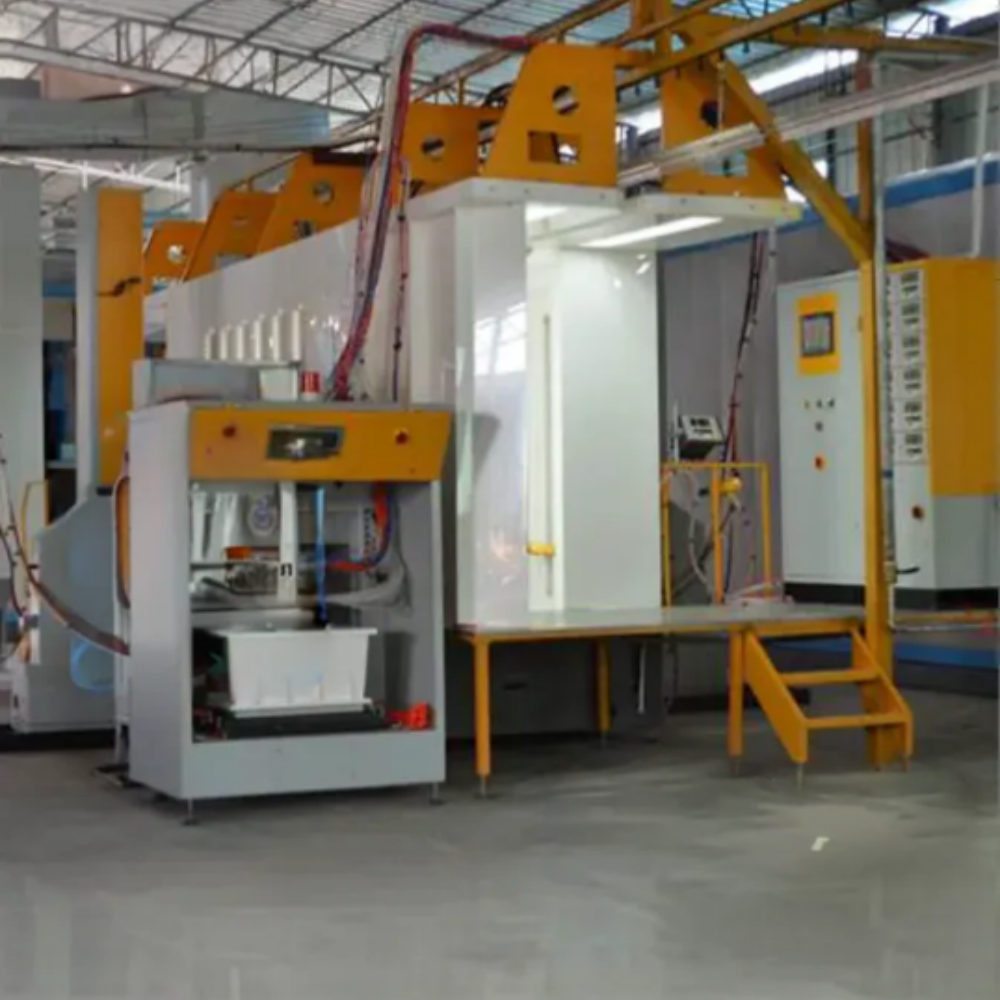
Part Characteristics and Production Requirements Drive Coating Line Configuration
How part geometry, size, and complexity influence conveyor design, fixture engineering, and zone segmentation
Parts with complicated shapes like those thin walls on aircraft brackets or the intricate curves of medical equipment really call for specialized conveyor systems and custom fixtures. Otherwise we end up with problems such as shadow spots or parts sagging during processing. For oddly shaped items, rotating fixtures work best to get complete coating coverage. Big components need longer curing areas where temperature can be carefully controlled throughout the process. When dealing with multiple product types at once, splitting the production line into separate sections for pretreatment, application, and curing makes all the difference. This setup lets us fine tune conditions specifically for materials that react badly to moisture or heat fluctuations. According to the Powder Coating Institute data from 2022, this approach cuts down on rework by around 30%, which saves both time and money in the long run.
Aligning throughput targets (units/hour), batch flexibility, and scalability with automation level and line pacing
The level of production throughput really determines what kind of automation makes sense. For high volume operations producing over 500 units per hour, companies typically install robotic spray arms along with those fancy servo driven conveyor belts. But when dealing with smaller batches or products that change frequently, manufacturers tend to go with modular setups that can be swapped out quickly between different production runs. Getting scalability right means pairing the right level of automation with what the factory expects to produce both now and in the coming years. Semi automated lines work well for shops making anywhere from 50 to about 200 units each hour. Fully automated systems equipped with those smart pacing algorithms become worth it once output exceeds around 300 units per hour mark. Going too heavy on automation for simple productions just burns through capital without seeing much return on investment. On the flip side, not enough automation for complicated product mixes leads to inconsistent results across batches. Looking at actual plant data collected in the 2023 SME Manufacturing Benchmarking Report shows something interesting though. When manufacturers get these factors aligned properly, they actually see their return on investment jump by approximately 22 percent within just eighteen months.
Coating Application Technology: Optimizing Transfer Efficiency and Finish Quality
Electrostatic spray vs. rotary bell atomization: transfer efficiency benchmarks (65–95%), finish consistency, and operational trade-offs
Getting good results depends a lot on picking the right application method for each specific part. Electrostatic spray gets about 65 to 80 percent transfer efficiency because it charges the paint particles so they stick better to the surface. This works great for parts that have tricky areas or different conductivity levels, but there are downsides too. The system really needs proper grounding and clean booths to function well. Rotary bell atomizers hit even higher numbers, around 80 to 95 percent efficiency, since they spin the paint into tiny droplets. These give much better coverage and keep the finish looking good over time, particularly on flat or gently curved surfaces. There's a catch though. They demand much stricter control over paint thickness, need cleaning more often, and require advanced robot programming to handle complicated shapes properly. One big car manufacturer cut down on materials by nearly 20% when they started using rotary sprayers for body panels but kept electrostatic guns for rougher under-the-hood parts. This shows how mixing technologies makes sense both financially and practically. Most shops find that these high efficiency systems pay for themselves pretty quickly, usually within about two years, thanks to less wasted material and lower cleanup costs.
Smart Integration and Data-Driven Control in Modern Coating Lines
AI-powered vision systems for real-time defect detection and closed-loop process correction
Vision systems powered by AI now check coating applications down to the micron level, spotting problems like craters, tiny pinholes, and uneven thickness as they happen. If something goes outside acceptable limits, these smart systems can tweak things on their own - changing how hard the spray comes out, adjusting where the nozzles are positioned, or even slowing down the production line. This kind of automatic fixing happens right away before bad spots spread through the product. According to research published last year by the Industrial Vision Association, factories using this technology see around 17% less wasted materials because of inconsistent flows compared to when workers have to spot issues manually. Plus, there's about a 40% drop in products getting rejected for finishing problems. These numbers really highlight why so many manufacturers are investing in smarter quality control solutions nowadays.
Predictive maintenance, digital twin simulation, and OEE optimization for coating line uptime and reliability
Digital twin technology creates virtual copies of physical assets using live data from IoT sensors. These models track how equipment wears down over time, monitor heat stress on components, and analyze fluid movement patterns to spot potential failures before they happen. When combined with vibration sensors and thermal cameras, such systems can actually detect problems with pumps or issues in electrostatic generators well over three days ahead of time. Real world results show factories experience about half as much unexpected shutdowns and their key parts last around 30% longer according to Deloitte's Industrial Operations Survey from last year. Operational efficiency metrics collected through OEE dashboards bring together information about machine availability, production speed, and product quality. This allows engineers to fine tune things like how long materials stay in curing chambers or adjust robotic arm movements across assembly lines, which can boost overall output by nearly a quarter. Considering that sudden stoppages cost manufacturing plants roughly seven hundred forty thousand dollars each year as reported by Ponemon Institute in 2023, having this kind of early warning system makes a huge difference in keeping operations running smoothly.
Lean Execution and Process Stability: Eliminating Waste in Coating Line Operations
Root cause analysis of recurring finish defects (orange peel, runs, dry spray) tied to setup, maintenance, and environmental control
Orange peel, runs, and dry spray are rarely isolated incidents—they reflect systemic gaps in setup discipline, preventive maintenance, or environmental control.
- Setup errors, such as inconsistent gun-to-part distance or uncalibrated atomization pressure during changeovers, cause uneven film build. Standardized setup protocols—including digital parameter locks and visual alignment guides—cut trial-and-error adjustments by 40%.
- Maintenance gaps, including worn nozzles or clogged filters, degrade spray pattern integrity and transfer efficiency. Predictive maintenance schedules—triggered by pressure drop trends or particle count spikes—prevent 80% of equipment-related defects.
- Environmental drift, particularly ±10% shifts in booth humidity or temperature, accelerates solvent evaporation (causing orange peel) or delays flash-off (leading to runs). Real-time monitoring and automated HVAC response keep viscosity conditions stable within ±5%—a threshold validated by ASTM D5201 for consistent film formation.
Lean execution targets these root causes through value-stream mapping and cross-functional Kaizen teams. Visual workflow standards, automated parameter logging, and first-pass quality tracking consistently lift yield above 95% while reducing rework waste by 25–30% in high-throughput environments.
FAQ
What influences conveyor design and fixture engineering in coating lines?
Part geometry, size, and complexity influence the design, requiring specialized conveyors and fixtures to prevent issues like shadow spots and sagging.
How does automation affect production throughput in coating lines?
The level of automation should align with production targets. High-volume operations benefit from full automation, whereas smaller or variable batches utilize modular setups for flexibility.
What are the benefits of integrating AI-powered vision systems?
AI vision systems detect defects in real time, allowing automatic adjustments to processes, reducing waste, and lowering product rejection rates.
How does predictive maintenance improve coating line uptime?
Predictive maintenance uses digital twins and sensors to foresee equipment issues, leading to fewer unexpected shutdowns and longer-lasting parts.
Table of Contents
- Part Characteristics and Production Requirements Drive Coating Line Configuration
- Coating Application Technology: Optimizing Transfer Efficiency and Finish Quality
- Smart Integration and Data-Driven Control in Modern Coating Lines
- Lean Execution and Process Stability: Eliminating Waste in Coating Line Operations
- FAQ