
 EN
EN
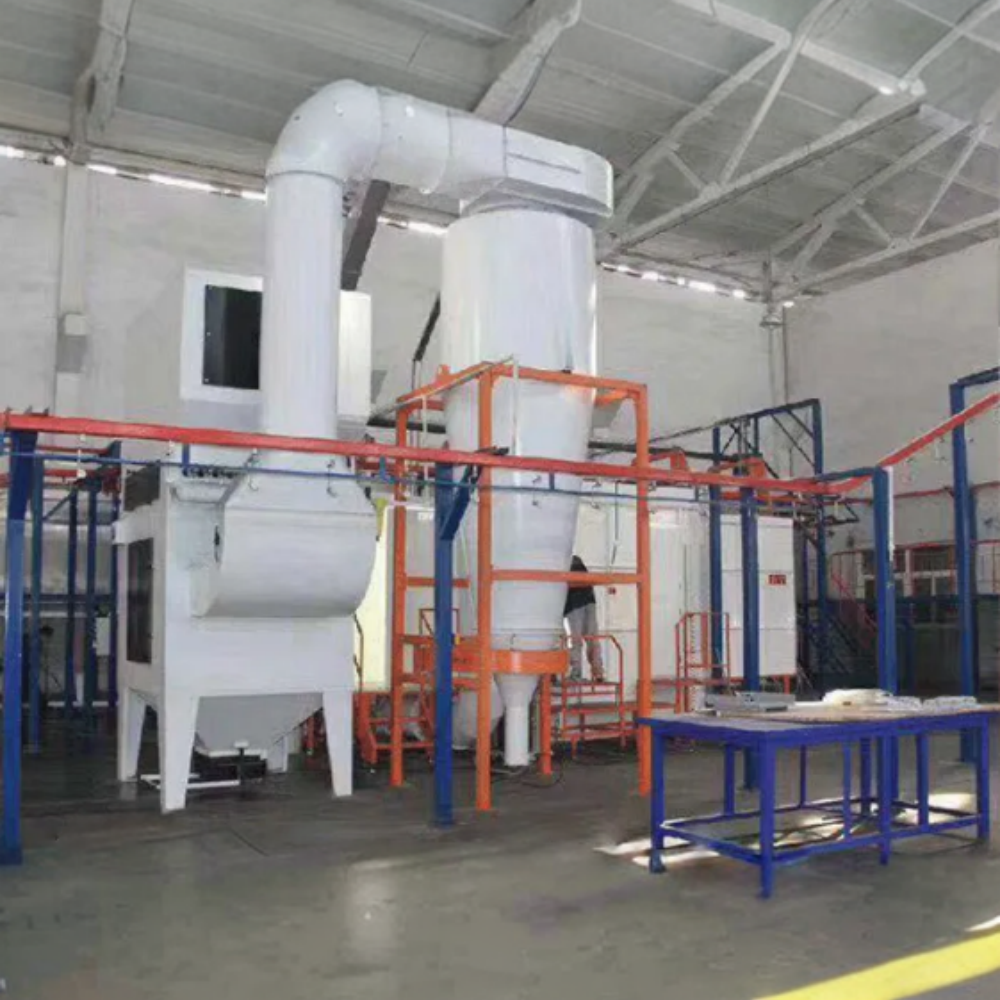
Superior Corrosion Resistance for Long-Lasting Auto Parts
How Electrophoretic Coating Lines Prevent Rust and Degradation in Automotive Components
E-coating lines work by putting parts into a special paint bath that has an electric charge. The process creates really strong bonding at the molecular level, which means it covers everything evenly, even those hard to reach corners and crevices. What happens during this electrochemical reaction is that these special polymer coatings get deposited on the surface. These coatings actually fill in tiny little pores that would otherwise let moisture and road salt get through. Traditional spray methods just can't do this. E-coating gets into all sorts of complicated shapes too, think about things like engine mounts or door hinge mechanisms. This helps prevent those annoying rust spots from forming in places where they're most likely to start causing problems.
Performance Data from OEM Testing: Validating E-Coating Durability in Real-World Conditions
Automotive manufacturers validate e-coating through accelerated corrosion tests simulating decades of exposure. Recent studies demonstrate:
- 98.5% rust resistance after 1,000-hour salt spray tests (SAE J2334 standard)
- 12–15-year lifespan for chassis components in Nordic road salt environments
- 72% lower failure rates versus powder-coated parts in coastal humidity trials
These results explain why 90% of global OEMs use e-coating for underbody components, preventing $740k in average corrosion-related warranty claims per model (Ponemon 2023).
Long-Term Performance in Harsh Environments: Balancing Claims and Real-World Exposure
Lab results look great on paper, but what really matters is how things hold up when put to the test in actual operations. Take those big desert mining trucks for instance. Suspension parts treated with e-coating have shown about three times less corrosion damage after clocking 100 thousand miles than regular components do. These coatings stand up to all sorts of abuse too. They survive brutal temperature swings from minus forty degrees Fahrenheit right up to 200 degrees, resist chemicals like road salt, engine oil and brake fluid, and even take punishment from flying rocks without flaking off. Parts last longer means fewer replacements down the line, which cuts costs for companies and helps meet environmental targets since we're not tossing out perfectly good components as often as before.
Uniform Coating Coverage on Complex Automotive Geometries
Electrophoretic deposition in recessed and intricate areas: Ensuring complete surface coverage
Electrophoretic coating lines, often called ED systems, get around many problems found in traditional spray methods. They work by moving charged particles through water to reach those hard to get areas like deep cavities, tight seams, and complicated shapes that regular sprays just can't touch. According to industry research, these ED processes manage to cover about 95 to nearly 98 percent of surfaces on tricky automotive parts such as engine mounts and hinge mechanisms. That's way better than what spray coatings typically achieve, which is only around 70 to 85 percent coverage. What makes ED so effective is how it applies the resin evenly no matter how the part is positioned during treatment. This means there won't be those annoying puddles or thin patches that happen so often when someone tries to hand apply paint or other finishes manually.
Consistent film thickness across diverse part sizes and shapes
Electrophoretic coating lines automate the process of applying films with remarkable precision, keeping thickness within ±1µm range even when running mixed loads. These systems handle everything from tiny fasteners right up to massive chassis frames without compromising quality. Factory tests show that electrophoretic deposition creates corrosion resistant layers between 15 and 25 microns thick across all surfaces. This is really important because it means parts can withstand salt spray testing for over 1,000 hours according to SAE J2334 standards. Traditional electrostatic spraying just doesn't compare since it has trouble reaching those hard to access areas due to Faraday cage effects. But with ED's ionic process, edges get proper protection and coatings build up evenly regardless of what kind of metal substrate they're applied to.
High Efficiency and Automation in Electrophoretic Coating Lines
Enabling high-throughput production with automated e-coating systems
Electrophoretic coating lines that are automated speed up production times without losing accuracy. When companies install robots along with PLCs, they can work on complicated shapes much faster than any human operator ever could. The system has sensors that keep checking everything in real time, so the coating stays consistent even when parts vary in size and shape. According to recent studies from Manufacturing Journal back in 2023, factories typically need about 30 to 40 percent fewer workers for these tasks, and they produce around 60 percent more finished goods overall. What really matters though is that there's no guesswork involved anymore in those dip coating steps, which cuts down on wasted materials and fixes later on.
Cost-effectiveness and ROI: Industry case studies on operational savings
The transition to automated e-coating delivers measurable financial advantages through multiple channels:
- Energy consumption reduction: Smart voltage regulation cuts power usage by 15–20% compared to conventional systems
- Material waste minimization: Precision application reduces paint overuse by 25% (Surface Treatment Quarterly 2024)
- Downtime prevention: Predictive maintenance algorithms decrease equipment failures by 40%
These efficiencies typically yield full ROI within 18–24 months. Automotive suppliers report 35% lower per-unit processing costs after automation implementation, validating the long-term economic advantage of modern electrophoretic coating line technology.
Environmental and Energy Sustainability of E-Coating Technology
Reduced VOC emissions: How electrophoretic coating lines support eco-friendly manufacturing
Electrophoretic coating lines cut down on volatile organic compound (VOC) emissions way more than those old solvent-based options do. According to some recent research on environmental standards, this water based approach can slash VOC levels by around 90%. Regular coatings just spew out all sorts of nasty stuff into the air, which ends up contributing to smog problems and poses real health dangers for workers. What makes e-coating so good is its closed loop system design that actually recycles water instead of wasting it away. For factories trying to stay compliant with those tough EPA rules, these green benefits are huge plus points toward their overall sustainability targets. Plus, there's no need to worry about those dangerous air pollutants anymore since they're gone from the equation entirely, making factory floors much safer places to work.
Energy efficiency and minimal waste: Sustainable advantages of modern e-coating systems
Electrophoretic coating systems today get really good at using materials efficiently, with transfer rates often above 95%. This means way less waste ends up on factory floors compared to when companies use spray coatings. The whole process just needs less juice because of better temperature control during curing and not needing all those big fans running for ventilation. Switching to water based formulas also gets rid of those expensive solvent recovery systems that guzzle electricity. Plus, computer controlled systems handle the coating layer so accurately that there's almost no excess material going to waste. According to various industry reports, facilities switching to e-coating typically cut down their hazardous waste disposal costs between sixty and seventy percent over old school methods. For manufacturers who care about green credentials, this kind of makes sense both from an environmental standpoint and bottom line perspective.
FAQ
What is electrophoretic coating?
Electrophoretic coating is a process where automotive parts are immersed in a charged paint bath to create a strong bond at a molecular level, evenly coating surfaces and filling in pores to prevent rust.
How effective is e-coating compared to traditional methods?
E-coating is significantly more effective, offering better coverage, superior rust resistance, and longer-lasting protection, even in harsh environments compared to traditional spray methods.
What are the environmental benefits of electrophoretic coating?
E-coating reduces VOC emissions, minimizes waste, and improves energy efficiency, making it a more sustainable choice for manufacturing operations.
How does automation benefit electrophoretic coating lines?
Automation enhances production speed, reduces costs, and maintains consistent coating quality by using robots and PLCs for high-throughput processes.